


Timneh African Grey Price Everything You Need to Know Before Bringing Home
Timneh African Grey Price lovers looking for the perfect talking companion will find their dream bird at Dallas Parrots in Flower Mound Texas. This trusted family owned aviary personally run by Fahad and Rana hand raises every single baby with endless love and care turning each little Timneh into a fearless super affectionate and incredibly smart parrot that starts chatting and cuddling from day one. With their famous clear voice playful personality and that beautiful maroon tail these babies are fully weaned perfectly socialized and ready to become your lifelong best friend.
African Grey Timneh Your Brilliant Lifelong Companion at Dallas Parrots
Meet the extraordinary African Grey Timneh the perfect blend of cognitive brilliance playful charm and heart melting affection now hand raised with endless love at Dallas Parrots in Flower Mound. Every baby grows up surrounded by the caring hands of Fahad and Rana so they arrive fearless fully weaned and already showing off their famous mimicry abilities and crystal clear talking talent. With stunning charcoal grey plumage and that signature deep maroon tail our Timneh African Grey Parrot quickly becomes the clever cuddly star of the family learning words whistling tunes and giving gentle head snuggles like no other parrot. These intelligent parrots love daily play meaningful conversations and being part of everything you do. Bring home an exceptional companion that will fill your days with laughter and your heart with love for decades.
Timneh African Grey Lifespan & Growth
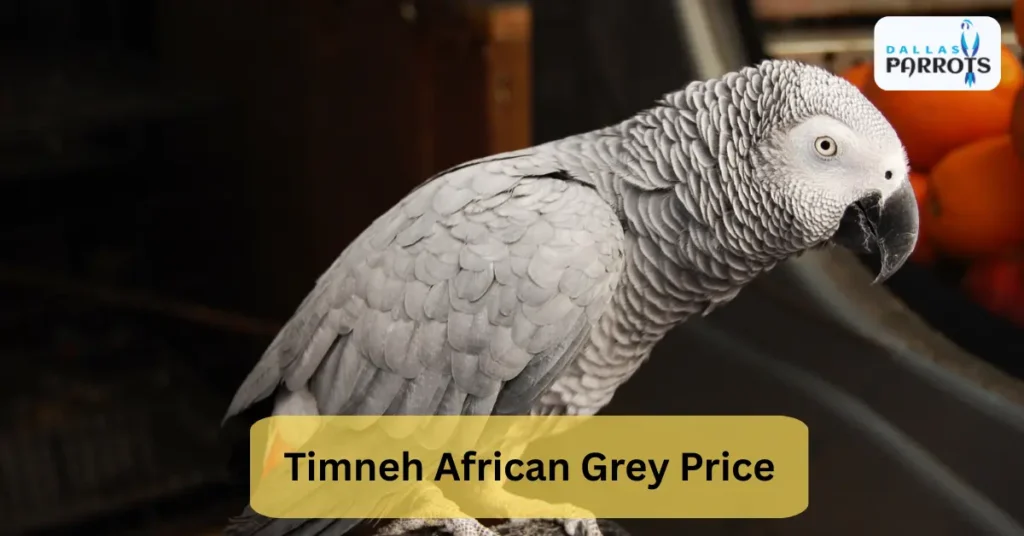
The timneh african grey belongs to the species psittacus timneh and grows into a medium size parrot with beautiful maroon feathers on the tail. Babies leave the breeder with soft grey down that turns into sleek adult feathers during the first year. They need constant stimulation companionship and training and socialization from day one. A healthy bird that gets daily interaction and a clean perch area develops strong feather quality and bright eyes. Owners who give care and attention watch their timneh african grey become a confident and affectionate family member.
Average Lifespan of a Timneh African Grey
In homes that provide excellent conditions the timneh african grey often reaches 50 years or longer. Some parrot owners report birds living past 60. The lower cost version of the african grey does not mean lower lifespan. With the right diet of pellets fruits and veggies seeds and nuts plus safe toys and enrichment to prevent boredom these highly social parrots stay active and vocal for decades.
Baby to Adult Growth Stages
Baby timneh african grey parrots start fully dependent on hand feeding. By eight to twelve weeks they eat on their own and explore their surroundings. Between four and eight months the grey feathers replace baby down and the maroon tail becomes visible. At one year the bird looks like an adult but full emotional and vocal maturity arrives around four to five years. Early socialization during these stages creates a parrot that loves people instead of fearing them.
Main Factors That Affect Their Lifespan
Diet quality mental stimulation and veterinary care decide how long any african grey lives. Poor food leads to weak bones and dull feathers. Lack of social interaction causes plucking or screaming. Toxins in the home dirty cages or no avian check ups shorten life fast. Greys need daily time outside the cage and owners who talk and play with them.
Tips to Help Your Timneh African Grey Live Longer
Feed a mix of high quality pellets and daily fresh fruits and vegetables. Rotate toys and enrichment weekly to keep the high intelligence busy. Schedule regular veterinary care with a bird specialist. Let the parrot fly or climb in a safe room every day. Shower or mist the feather coat often. Speak whistle and train daily so the bird stays happy. A bored or lonely exotic bird will not reach its full lifespan. Give love time and respect and your timneh african grey can share your life for half a century or more.
Timneh African Grey Diet & Eating Habits
A Timneh African Grey stays healthy and happy with a varied diet that matches what these intelligent birds would find in the wild. They need high quality pellets as the main food (about 60 70% of daily intake) fresh fruits vegetables small amounts of seeds nuts and occasional protein. These highly social and highly intelligent parrots use mealtime for mental stimulation too. They love to hold food in one foot explore new textures and forage. Feeding time becomes play time. A good diet keeps feathers shiny supports the maroon tail and helps the bird reach its full 40 to 60 years lifespan. Owners who rotate foods daily prevent boredom and stop picky eating habits.
-
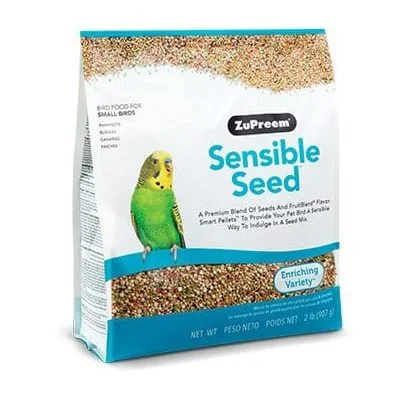
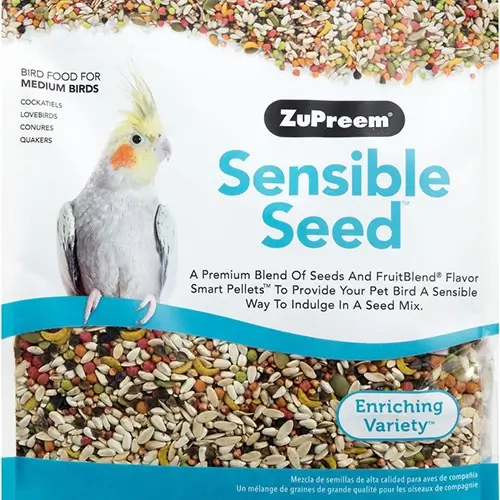
Bird Food
Zupreem Pasta Blend Medium 2lbs
$18.95Original price was: $18.95.$16.95Current price is: $16.95. Read more
What Foods Timneh African Greys Love to Eat
Timneh African Greys go crazy for pomegranate seeds mango chunks broccoli florets sweet potato corn on the cob and dark leafy greens. They enjoy almonds (unsalted) walnuts cooked beans quinoa and sprouted seeds. Most babies raised by reputable breeders already accept pellets apple slices carrots and bell peppers. They often beg for warm oatmeal or scrambled eggs as treats. These affectionate parrots quickly learn that fresh food means attention from their favorite humans.
Daily Food Portion Guide
An adult Timneh African Grey eats about ⅓ to ½ cup of pellets each day plus ¼ to ½ cup of chopped fresh fruits and vegetables. Offer food twice daily. Morning: fresh chop and pellets. Evening: another small serving of vegetables or a nut treat. Seeds and nuts stay under 10% of the diet (a few pieces only). Always remove uneaten fresh food after four hours to avoid spoilage. Babies under one year get slightly more pellets and soft foods until fully weaned.
Best Fruits and Vegetables for Timneh African Greys
Top choices include apple pear berries kiwi papaya mango pineapple grapes carrot sweet potato squash zucchini kale spinach collard greens broccoli peas green beans and red or yellow bell pepper. Dark orange and green vegetables give the most vitamins. Wash everything well and serve raw or lightly steamed. Chop small for babies and bigger pieces for adults so they can hold and play while eating.
Foods You Should Never Feed Them
Never give avocado chocolate caffeine alcohol salty snacks sugary foods onions garlic fruit pits apple seeds rhubarb or raw mushrooms. Xylitol (in sugar free gum) and dairy in large amounts can also harm them. Avoid heavy metals from old dishes and never let them chew on galvanized wire. Even one bite of avocado can kill an African Grey quickly. When in doubt skip the food and stick to proven safe choices.
Timneh African Grey Living Conditions
A Timneh African Grey needs space safety and constant mental stimulation to stay healthy for its 40 to 60 years lifespan. These highly intelligent and highly social parrots suffer in small or boring cages. They want room to climb flap and play every day. The cage is their home base not a prison. Place it in the family area where they can see and talk to people but away from kitchen fumes and direct sunlight. Good air flow natural light and daily out of cage time keep the feather coat shiny and the maroon tail bright. A happy setup means a calm affectionate bird that sings instead of screams.
Best Cage Size and Comfortable Setup
Minimum cage size for one Timneh African Grey is 34 inches wide × 24 inches deep × 36 inches tall but bigger is always better. Bar spacing must be ¾ to 1 inch. Choose powder coated or stainless steel. Put natural wood perches at different heights and diameters. Add a concrete perch for nail trimming. Place food and water bowls away from perches so droppings stay out. Include a sleeping hut or cozy corner for security at night.
-
Bird Cages
King Cages SLT 102 Small Parrot Open Square
$499.00Original price was: $499.00.$209.00Current price is: $209.00. Add to cart
Ideal Temperature and Humidity Levels
Timneh African Greys feel best between 70°F and 80°F (21 27°C). Never let temperature drop below 65°F or rise above 85°F for long. Keep humidity around 40 60%. Use a digital thermometer and hygrometer. In dry homes run a humidifier in winter. In hot weather offer daily baths or misting. Sudden changes stress these exotic parrots and can cause illness fast.
Safe Toys Perches and Accessories
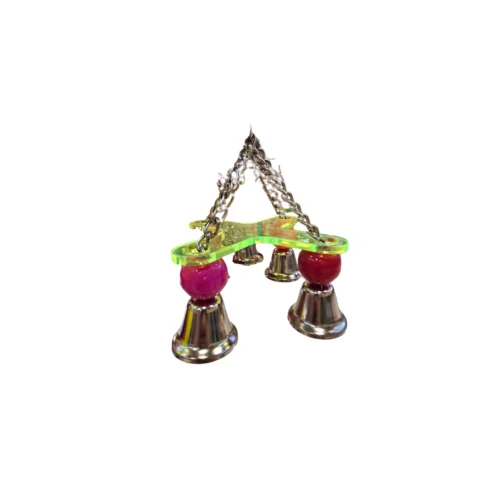
Choose toys made for large parrots: wood blocks stainless steel bells ropes and foraging toys. Rotate toys every week to prevent boredom. Use natural branches from safe trees (apple manzanita willow) for perches. Avoid sand covered perches and small plastic toys that can break. Give shreddable toys puzzle feeders and anything that rewards the high intelligence of this parrot species. Always check for loose parts or sharp edges.
How to Keep Their Cage Clean and Fresh
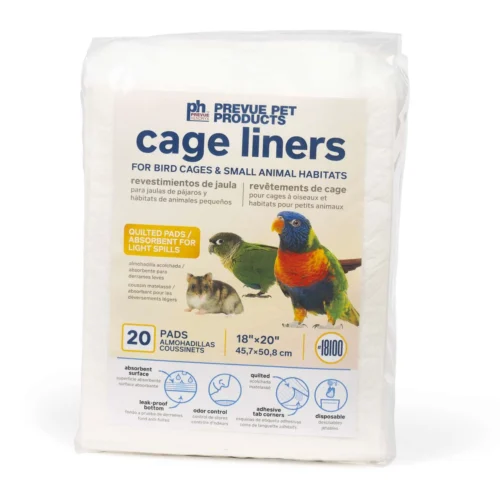
Line the tray with newspaper or cage liners and change daily. Wash food and water dishes every day with hot water and mild soap. Scrub perches and toys weekly. Do a full cage clean once a week with bird safe disinfectant. Rinse everything well and dry completely. Vacuum around the cage daily to remove seed hulls and dust. Fresh air and sunlight (not direct) help kill germs. A clean cage stops smells and keeps your well socialized Timneh African Grey healthy and happy.
Timneh African Grey Playing Habits
The Timneh African Grey lives to play. These highly intelligent parrots spend hours exploring chewing foraging and talking if given the chance. A bored Timneh screams plucks feathers or bites. A busy one whistles learns words and cuddles. Play is not extra. It is essential care. They use their strong beaks and feet to tear climb and solve puzzles. Everything is a toy to a Timneh African Grey: paper keys your phone or a simple cardboard box. Daily play keeps their high intelligence sharp their maroon tail wagging and their affectionate personality shining for the full 40 to 60 years they can live.
-
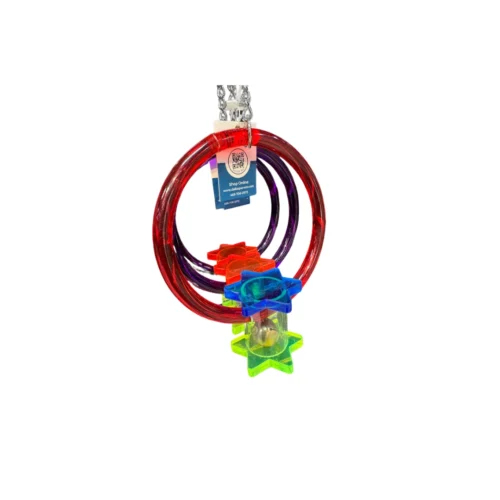
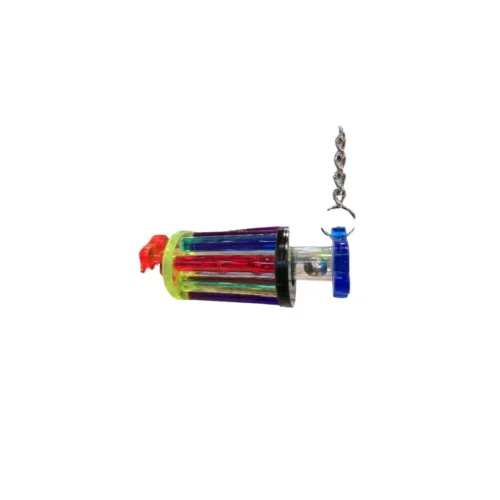
Acrylic Toys
Paddle Wheel XL
$42.95Original price was: $42.95.$36.95Current price is: $36.95. Read more
How Much Playtime They Need Every Day
Every Timneh African Grey needs at least 3 4 hours outside the cage daily. Two hours of direct one on one play with family and two more hours of supervised free time count. Short 10 minute sessions several times a day work better than one long block. Babies and younger parrots want even more interaction. Without enough play these highly social birds become loud or depressed fast.
Best Toys for Mental and Physical Activity
Top toys include foot toys (small wood pieces beads) foraging toys (must work for food) shredders (palm leaf paper balsa) stainless bells acrylic puzzles and natural wood blocks. Rotate five to seven toys every few days. Add cardboard boxes paper cups and phone books for cheap fun. Timneh African Greys love anything that makes noise or hides treats. Safe swinging ladders and boings give exercise too.
Bonding and Social Interaction With Family
Timneh African Greys choose one or two favorite people and stay loyal for life. Daily talking training shoulder time and gentle head scratches build trust. Teach tricks with seeds or nuts as rewards. Let them eat dinner near the family table (on a play stand). Include them in conversations. They learn names fast and answer back. Consistent calm handling creates a well socialized parrot that steps up happily and rarely bites.
Simple Ways to Prevent Boredom
Change toy locations daily. Hide seeds in paper or toys for foraging. Play music or talk radio when alone. Teach one new word or trick each week. Give a warm bath two times a week (they dance in the water). Take them to different rooms on a travel cage. Offer new fresh fruits or safe branches to chew. Ten minutes of training equals one hour of cage time for their brain. A busy Timneh African Grey stays quiet healthy and full of love.
Timneh African Grey Health & Wellness
Good health starts with daily care and never ends for a Timneh African Grey. These highly intelligent parrots hide illness until the last moment so owners must watch weight droppings and energy every single day. A strong diet of pellets fresh fruits vegetables clean water large cage safe toys and enrichment plenty of sleep and daily social interaction build a strong body and mind. Stress poor food dirty cages or loneliness quickly damage the feather coat and maroon tail. With proper care and regular veterinary care most Timneh African Greys stay active and talking for 40 to 60 years or longer. Catch problems early and your affectionate friend will thank you with whistles and head rubs.
Common Health Problems to Watch For
The most frequent issues are respiratory infections psittacosis feather plucking from boredom vitamin A deficiency (flaky skin swollen eyes) heavy metal poisoning candida or bacterial infections and fatty liver disease from seed only diets. Overgrown beak or nails egg binding in females and seizures from low calcium also appear. Quick weight loss fluffy sitting or tail bobbing mean emergency vet visits now.
Signs of a Healthy vs Unhealthy Timneh African Grey
Healthy bird: bright clear eyes smooth shiny feathers clean vent strong grip active talking or playing normal droppings (firm coil with white cap) good appetite steady weight.
Unhealthy bird: sleepy or fluffed most of the day dirty or plucked feathers crusty nose or eyes wheezing tail bobbing when resting watery or discolored droppings sitting on cage floor no interest in food or people.
Why Regular Vet Checkups Are Important
African Greys mask sickness. By the time you see symptoms the bird is already very sick. A certified avian vet can spot problems early with a gram stain blood test or quick weigh in. Yearly exams plus a check every time something seems off save lives. Many reputable owners take their Timneh twice a year. One visit costs far less than emergency treatment later.
Grooming Tips for Nails Beak and Feathers
Nails: offer a concrete or sandy perch near food bowls. Trim only if they curl (vet or experienced person).
Beak: natural wood toys and cuttlebone keep it shaped. Overgrowth needs vet filing.
Feathers: daily or every other day misting or shower keeps dust down and preening healthy. Never clip flight feathers unless the vet recommends. Check for stress bars or plucking and fix mental stimulation fast. Clean wings and maroon tail look beautiful when the bird feels happy inside.
How to Care for a Timneh African Grey
A Timneh African Grey becomes a family member for 40 to 60 years so daily love and attention matter more than anything else. These highly intelligent and highly social parrots need food play talk time and sleep every single day. They watch everything you do and copy words sounds and moods. Give them respect routine and kindness and they reward you with laughter cuddles and the famous talking ability. Skip the basics and they scream or pluck feathers. Simple consistent care keeps the lighter grey feathers shiny the maroon tail bright and the bird singing your name for decades.
Daily Care Routine for Your Timneh African Grey
Morning: uncover cage say good morning offer fresh pellets and clean water give 30 60 minutes of talk and step up practice.
Mid day: quick check change water if dirty offer small vegetable snack.
Afternoon: 2 4 hours out of cage supervised play training or shoulder time.
Evening: fresh chop of fruits and veggies more play then dinner plate watching with family.
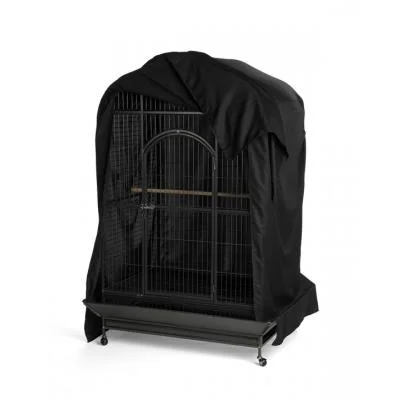
Night: cover cage around 8 9 PM for 10 12 hours quiet sleep keep room dark and calm.
Proper Feeding and Clean Water Needs
Feed ⅓ to ½ cup high quality pellets daily plus ¼ cup chopped fresh fruits and vegetables morning and evening. Add a few seeds or nuts as treats only. Change water two or three times a day and wash bowls with hot water. Use stainless steel or ceramic bowls. Never let water sit with food bits in it. Remove uneaten fresh food after four hours. A well socialized Timneh eats better when you sit and talk during meals.
Safe Handling and Social Interaction Tips
Always approach from the front and ask “step up” calmly. Support both feet when they climb on your hand. Start handling sessions short and positive with babies or new birds. Never grab from above (scares them). Offer head scratches only when they lean in and close eyes. Include them in family talk music and safe activities. Teach tricks with tiny nut pieces as rewards. Daily gentle contact creates an affectionate parrot that chooses to be with you instead of biting.
Creating a Stress Free and Happy Environment
Place the cage in the living room where the bird sees people but not in direct sun or kitchen smoke. Keep temperature 70 80°F and humidity 40 60%. Play soft music or talk radio when alone. Rotate toys and enrichment weekly. Give daily baths or misting. Keep a predictable schedule (same feeding and sleep times). Speak softly and never yell. A Timneh African Grey that feels safe whistles learns new words dances and lives longer than one left alone or scared. Happy home equals happy parrot.
Why Dallas Is Best to Buy a Timneh African Grey
Bird enthusiasts turn to Dallas for a Timneh African Grey because the area blends big city access with top notch avian care. Local spots like Dallas Parrots in Flower Mound offer hand fed babies from the parrot family that bond fast and show off their talking ability. The timneh african grey price stays fair here often $1 800 to $3 000 for a well socialized one lower than in other states. Reputable breeders focus on ethical breeding standards to ensure healthy bird status from day one. Texas weather suits these exotic parrots and DFW’s bird clubs provide ongoing stimulation and enrichment. Plus easy drives to veterinary care keep your affectionate pet thriving for its full 40 to 60 years lifespan. Dallas makes owning an African Grey simple and joyful.
Ethical Breeding Standards
Texas breeders like Dallas Parrots follow strict rules for Timneh African Grey Parrot health. They hand feed with organic formulas and test for diseases before sales. No overcrowding in aviaries means less stress and better socialization. Prospective owners get full DNA papers and health warranties. This setup cuts risks of hidden issues in feather quality or behavior. Many join groups like the American Federation of Aviculture to push proper care. A reputable breeder shares parent bird histories and weaning diets full of fresh fruits and veggies. Ethical spots avoid impulse buys and teach mental stimulation basics. Your timneh african grey arrives calm vocal and ready to mimic human speech.
Experienced Local Breeders
Dallas area pros at places like Dallas Parrots raise African Grey babies with decades of know how. Owner Fahad and manager Rana guide families through picks sharing tips on cage setup and daily routines. They specialize in Timneh over Congo African Grey for its lighter grey look and maroon tail. Staff spot top birds early ensuring high intelligence shines. Local farms in Flower Mound and Fort Worth hand raise litters small for personal touch. These experts spot issues like poor perch habits or weak companionship bonds. Buyers leave with videos of the bird’s personality. Bird enthusiasts praise the hands on approach that turns a sale into a lifelong plan.
Trusted Reputation in Texas
Dallas Parrots earns five star nods across Yelp and BirdBreeders for clean stores and happy pet birds. Reviews call out “healthy blue Quaker baby” vibes for Timneh too with no complaints on quality. Texas ranks high for exotic bird trust as breeders like JC Aviary back conservation. African Grey Parrot cost feels right because transparency rules. Families from Irving to Des Plaines rave about staff patience during visits. Higher prices for proven lines pay off in fewer vet trips. Local forums echo this: Dallas spots deliver well socialized parrots that bond with their owners. Solid reps mean peace of mind for your parrot species choice.
Accessible and Supportive Team
Call Dallas Parrots at 469 706 0972 or email info@dallasparrots.com and Rana answers fast with video tours. The Flower Mound spot at 2608 Long Prairie Rd Suite 201 sits 20 minutes from Dallas open Tuesday to Sunday. They offer premium boarding and spa days post purchase plus free advice on toys and enrichment. Avian vets nearby handle check ups. Team members demo training and socialization on site. For out of towners shipping comes with care guides. This hands on crew turns new owners into pros answering calls on diet tweaks or scream fixes. Your Timneh African Grey gets a village from day one.
Why Choose Dallas Parrots for Your Timneh African Grey
Dallas Parrots stands out as the top choice in Texas for anyone searching timneh african grey price and wanting a true companion. This family owned aviary in Flower Mound raises every Timneh African Grey with daily love turning babies into highly intelligent and affectionate talkers with perfect maroon tail feathers. The team promises healthy bird status from day one and stays with you for the full 40 to 60 years your parrot can live. No big box stress just personal care from people who live for exotic parrots.
Family Owned and Trusted Aviary
Dallas Parrots is truly family owned. Owner Fahad and manager Rana run the store themselves at 2608 Long Prairie Rd Suite 201 Flower Mound TX 75022. They hand feed every Timneh African Grey Parrot in small batches so each baby gets constant social interaction and mental stimulation. Customers meet the actual people raising the birds not hired staff who disappear after the sale. Years of five star reviews prove this reputable local spot delivers well socialized greys that step up calmly and start talking fast.
Lifetime Support and Guidance
When you bring home a Timneh from Dallas Parrots the support never ends. Call 469 706 0972 or email info@dallasparrots.com any time with questions about diet screaming or toys and enrichment. They teach proper care before you leave and welcome follow up visits. Many owners board their birds there during travel and use the parrot spa services. This avian team helps with everything from weaning babies to solving problems decades later. Your timneh african grey price includes a real relationship.
Healthy Hand Raised Timneh African Greys
Every Timneh African Grey at Dallas Parrots is hand raised from two weeks old on premium formula. They leave fully weaned on pellets fresh fruits and veggies with smooth feather coats bright eyes and bold personalities. Disease testing DNA sexing and health certificates come standard. Babies grow up with daily handling so they love people instead of fearing them. The clean spacious setup produces lighter grey beauties with rich maroon tails and strong ability to mimic human speech right from the start.
Proven Customer Satisfaction
Google and Yelp overflow with happy stories. Families write about driving hours because Rana spent two hours helping pick the perfect bird. Others praise video calls showing baby progress before pickup. Reviews repeatedly say “healthiest parrot we’ve ever seen” and “talks nonstop within weeks.” Zero negative feedback in years speaks louder than any ad. People trust Dallas Parrots because real bird enthusiasts leave as friends not just customers. Your African Grey Parrot journey starts and stays perfect here.
Contact Us
Dallas Parrots in Flower Mound is hands down the best place to get a perfectly hand raised healthy and super talkative Timneh African Grey baby. This family owned aviary is run by Fahad and Rana who personally hand feed every single chick so each parrot turns out incredibly sweet well socialized and completely fearless around people. Prices are very reasonable and you get free lifetime support and advice along with it.
- Address: 2608 Long Prairie Rd Suite 201, Flower Mound, TX 75022
- Phone / WhatsApp: 469-706-0972
Conclusion
If you want a Timneh African Grey that talks clearly cuddles happily and becomes a true family member for the next 40 to 60 years Dallas Parrots in Flower Mound is the only place you need. Fahad and Rana raise every baby with their own hands fill them with love and perfect socialization and send them home healthy fearless and already full of personality. From your first call or visit to decades of free advice later this family owned aviary treats you like family too. One simple step call 469 706 0972 or visit 2608 Long Prairie Rd Suite 201 Flower Mound TX 75022 and your dream of owning the sweetest smartest Timneh African Grey comes true. Don’t wait. Your new best friend is waiting to say hello!
Follow our social accounts:
FAQ’s
What is the average Timneh African Grey price?
The average price of a Timneh African Grey usually ranges from $6500, depending on age, breeder reputation, and training level.
Why is the Timneh African Grey so expensive?
They are costly because they are rare, have high intelligence, require specialized care, and reputable breeders invest heavily in proper hand-rearing.
Is the Timneh African Grey cheaper than the Congo African Grey?
Yes, the Timneh is generally slightly cheaper, but prices can overlap based on quality and breeder availability.
What affects the price of a Timneh African Grey?
Age, talking ability, hand-feeding, breeder reputation, and the bird’s health all influence the final price.
Does the price include a cage and accessories?
Usually no. Most breeders sell the bird only. Cages, toys, and food must be purchased separately.
Is it cheaper to adopt a Timneh African Grey?
Yes, adoption can cost $300 to $800, but availability is limited and usually found in parrot rescue centers.
Recent Posts