
Benefits of Owning a Parrot Why These Birds Make Amazing Pets
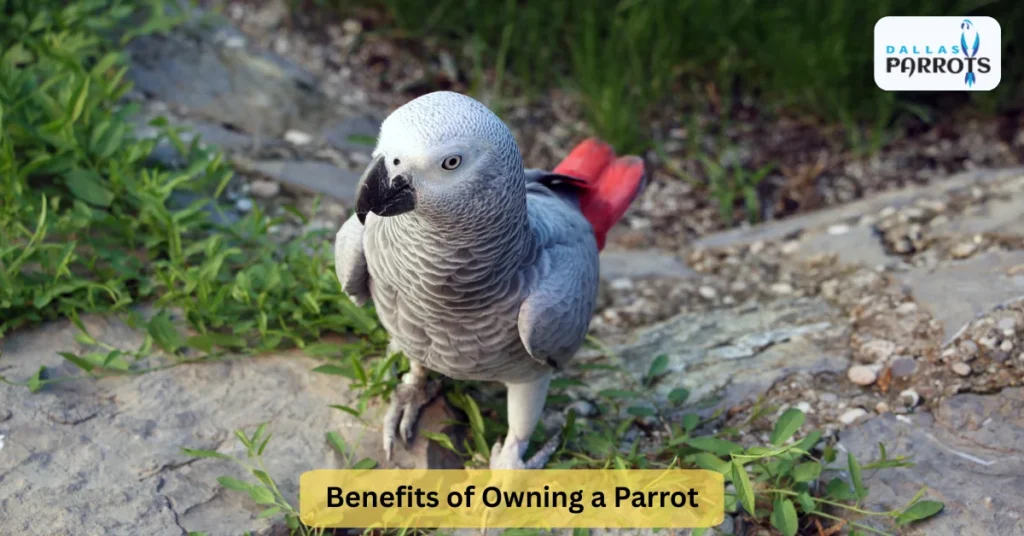
Benefits of owning a parrot go much deeper than just having a colorful pet bird at home. These feathered friends bring real joy connection and purpose to daily life in ways that cats dogs or other animals often cannot match. Parrot ownership means welcoming a highly intelligent social companion who stays active engaged and full of personality for many years. Whether you live alone with family or in a small apartment a parrot can fit right in and add warmth laughter and meaning to your routine.
Conclusion
Benefits of owning a parrot make them one of the most rewarding pets you can choose. From strong emotional bonds and reduced loneliness to mental stimulation laughter and long lasting companionship these birds bring joy and purpose every day. They fit many lifestyles teach responsibility and compassion especially in families and support better well being through routine interaction and affection. Yes parrot ownership asks for time proper care space and commitment but the love intelligence and connection you get back make it all worthwhile. If you are ready for a lively talking playful feathered friend who becomes a true family member a parrot can change your life in beautiful ways for many years to come.
FAQ’s
The 333 rule for birds is a simple guideline for new bird owners especially with parrots. It means give your bird three days to settle in without much handling. Then allow three weeks for the bird to get comfortable in its new home and routine. Finally give three months for the bird to fully trust you and show its true personality. This patient approach helps reduce stress and builds a strong bond so the parrot feels safe and happy.
Parrot is good for home when you match the right species to your space and lifestyle. They bring liveliness chatter and affection that make the house feel warmer. Smaller parrots suit apartments with lower noise while larger ones need more room and attention. With good care they stay healthy and content. They do not need walks or a yard which fits many homes. However they require daily interaction toys and cleaning so only choose one if you can commit time.
Disadvantages of having a parrot include high noise from screaming or loud calls especially in larger species. They need lots of daily time and attention or they get bored and pluck feathers. Long lifespan means decades of care and planning for future homes. Vet bills for avian specialists cost a lot. They make mess with food feathers dust and droppings. Some bite hard when scared or hormonal. Space for big cages and play areas takes room. Not everyone enjoys the constant chatter or cleaning.
Yes parrots can live 70 years and some even longer. Larger species like macaws and cockatoos often reach 70 to 100 years with excellent care diet and vet visits. African greys commonly live 50 to 70 years. Smaller parrots like budgies or cockatiels usually live 15 to 30 years. Lifespan depends on species genetics proper nutrition space enrichment and avoiding stress or illness.
Parrot is good luck in many cultures. In Hinduism parrots link to gods like Kamadeva and bring love prosperity and sweet speech. Some believe parrots in home attract positive energy and happiness. In other traditions they symbolize intelligence communication and joy. No major beliefs call parrots bad luck. People see them as signs of good fortune especially when they talk or show affection.
A parrot should live its full natural lifespan with good care. Small parrots like budgies live 10 to 20 years cockatiels 15 to 25 years conures 20 to 30 years. Medium ones like African greys reach 40 to 60 years. Large parrots like macaws and cockatoos often live 50 to 80 years or more. With balanced diet clean environment toys mental stimulation avian vet checkups and love most pet parrots live long healthy lives close to these ranges.
In Hindu tradition Lord Kamadeva the god of love and desire loves parrots. His vehicle or companion is often a parrot which symbolizes sweet words attraction and romance. Goddess Meenakshi and some forms of Lakshmi also connect to parrots in stories and art. Parrots appear in temples and myths as sacred birds tied to beauty speech and divine love.
Yes parrots love humans in their own way when they bond well. They show affection through preening cuddling gentle beak touches leaning close and wanting to stay near you. Many choose one person as their favorite and greet them excitedly. They seek interaction play and attention like a close friend. With trust and time parrots give deep loyalty and emotional connection that feels like real love to owners.
Healthy Parrots Ready for New Owners
Emotional Benefits of Owning a Parrot
Owning a parrot goes far beyond having a pet bird in your home. These highly intelligent creatures form deep connections that touch your feelings in ways few other animals do. Parrot owners often describe the emotional side as one of the biggest reasons they stay committed even when daily care takes effort.
- Parrots Create Strong Emotional Bonds
- How Parrots Reduce Loneliness
- The Joy of Having a Talking Companion
- Why Parrots Become True Family Members
- Parrots Bring Fun and Laughter to Daily Life
Parrots Create Strong Emotional Bonds
Parrots are highly intelligent and emotional pet birds that form deep bonds with their owners through trust care and daily interaction which makes parrot ownership a unique experience. A parrot often chooses one or two favorite people and builds a lifelong connection that grows stronger over time. This bond can be seen in gentle behaviors like soft preening on your hair or clothes leaning into your hand or light beak touches that show affection and trust.
In bird psychology parrots view their owners as part of their flock which strengthens emotional attachment. They have strong memory and can recognize faces voices and routines which helps deepen their connection over months and years. Parrots also respond to human emotions in a natural way as they become playful when you are happy and calm and comforting when you feel low. This level of emotional intelligence and mutual understanding makes parrots one of the most rewarding companion birds and many owners feel their parrot understands them better than anyone else which creates a powerful sense of trust loyalty and lasting companionship.
How Parrots Reduce Loneliness
Loneliness hits hard sometimes especially on quiet days or when life feels empty. A parrot steps in as a constant companion who is always happy to see you. When you walk through the door your feathered friend greets you with calls whistles or excited wing flaps. They want to be part of your day whether you talk read or just sit nearby. Parrots thrive on social interaction so they seek you out for play or cuddles which pulls you out of your thoughts. Even simple things like sharing a meal where the bird sits on your shoulder or chatters along make the house feel less silent. Owners who live alone or work long hours often say their parrot keeps them from feeling isolated because the bird needs them as much as they need the bird. This mutual need creates a steady sense of belonging that eases loneliness over time.
The Joy of Having a Talking Companion
Few things match the surprise and delight when your pet parrot starts saying words. Parrots have the ability to mimic human speech clearly especially species like African grey or amazon. You teach them hello good morning or your name and soon they use those words in context like saying hello when you come home. Some birds even pick up phrases on their own from hearing you talk daily.
Hearing your own voice echoed back or a funny word said at the right moment brings instant smiles. It feels like real conversation even if the bird does not fully understand the meaning. This talking companion aspect adds a layer of fun and wonder to everyday life. Owners share stories of their parrot cheering them up with a well timed phrase or making them laugh by repeating something silly. The joy comes from that unexpected connection that makes the bird feel more like a friend who chats with you.
Parrots Bring Fun and Laughter to Daily Life
Parrots have playful curious personalities that turn normal moments into sources of laughter. They toss toys climb upside down swing from perches or invent games with household items. A parrot might steal your pen run away with it then look back as if to say catch me. Their silly antics like dancing to music head bobbing or making funny sounds keep things light. When you watch your bird explore puzzle toys or figure out how to get a treat the cleverness amazes you and often leads to shared laughs. Even small things like a parrot mimicking a sneeze or doorbell ring catch you off guard in the best way. This constant energy and humor make home feel lively and remind you to enjoy simple fun. Parrot owners say these moments of pure playfulness lift their spirits and make tough days easier to handle.
Why Parrots Become True Family Members
After years together a parrot stops feeling like just a pet and starts feeling like part of the family. They join routines such as sitting at the table during meals watching TV on your lap or perching nearby while you work. Parrots notice family moods and react with affection or concern. They greet everyone by name or get excited when certain people arrive. In many homes the bird eats with the group plays games together or even travels in a carrier for family outings. This shared life creates lasting memories and a sense of unity.
Parrot owners often talk about how their bird grieves when someone is away or celebrates when the family is together. The deep love loyalty and daily presence make parrots true family members who give back as much emotion as they receive. For people willing to invest the time this bond becomes one of the most meaningful relationships in life.
Social and Mental Benefits
Parrots give more than just company. They bring real social and mental advantages because of how smart and interactive they are. Owning a parrot keeps your mind active and helps you feel more connected every day.
- Parrots Are Highly Intelligent Birds
- Mental Stimulation Through Training and Interaction
- Teaching Parrots Words and Tricks
- Building Communication Skills with Your Bird
- How Parrots Encourage Daily Engagement
Parrots Are Highly Intelligent Birds
Parrots rank among the smartest animals people keep as pets. They solve simple problems understand cause and effect and remember things for a long time. African grey parrots often show skills close to a young child in some tests while macaws and cockatoos figure out how to open locks or get treats from tricky spots. This high intelligence means they get bored easily if left alone too long. It also means they notice patterns in your behavior and respond in clever ways. Many parrot owners feel amazed at how quick their bird learns and how much personality shows through. This intelligence turns a simple pet into a thinking companion who keeps you surprised and engaged.
Mental Stimulation Through Training and Interaction
Parrots need mental stimulation the same way active people need challenges. Daily training sessions and interaction prevent boredom and bad habits. You can teach basic commands like step up wave or turn around using positive rewards like a favorite treat or praise. Puzzle toys that hide food make the bird think and work to get the reward. Short play times where you hide toys or encourage foraging keep their brain busy. When parrots get enough mental stimulation they stay calmer show fewer problem behaviors and seem happier overall. Owners often find these sessions relaxing too because focusing on the bird pulls attention away from daily worries.
Teaching Parrots Words and Tricks
Teaching parrots words and tricks becomes one of the most enjoyable parts of ownership. Start with simple sounds or words by repeating them clearly when the bird is calm and paying attention. Many parrots pick up hello goodbye or their own name within weeks. Tricks like spinning retrieving small objects or playing dead follow the same idea of short clear sessions with rewards. Cockatiels might whistle tunes while larger parrots like amazons build bigger vocabularies. The process builds trust and gives both of you a shared goal. Seeing your bird perform what you taught brings pride and strengthens the bond every time.
How Parrots Encourage Daily Engagement
Parrots push you into daily engagement without fail. They expect attention at certain times like morning greetings or evening play. If you skip routines they let you know with calls or louder sounds. This gentle push helps people create structure in their day. Feeding cleaning toys and spending time talking or playing become natural habits. Even on busy days a quick interaction keeps the connection alive. Over time this regular contact makes life feel more purposeful and less rushed because the bird depends on you in a positive way.
Building Communication Skills with Your Bird
Communication with a parrot grows naturally through time spent together. You learn to read body language like fluffed feathers meaning relaxation or pinned eyes showing excitement or irritation. The bird learns your tone of voice and words associated with actions like treat time or bedtime. Talking to them throughout the day even about ordinary things helps them mimic and respond. Some owners develop a back and forth where the parrot answers with sounds or words that fit the moment. This two way exchange sharpens listening skills and patience while making the relationship feel truly mutual.
Lifestyle Benefits of Owning a Parrot
Parrots fit into many ways of living because they adapt well and add positive changes without huge demands on space or schedule.
- Parrots Can Live for Many Years
- Ideal Pets for Apartment Living
- Daily Routines Become More Enjoyable with a Bird
- Lower Space Requirements Compared to Many Pets
- Parrots Fit Well Into Many Lifestyles
Parrot Can Live for Many Years
Parrots live for many years which makes them a true long term commitment. Smaller species like budgie or cockatiel often reach 15 to 25 years while medium ones like conures last 20 to 30 years. Larger parrots such as macaw or cockatoo can live 50 to 80 years or more with good care. This long lifespan means planning ahead for their future including who will care for them if needed. For people who want a companion that stays through different life stages a parrot offers lasting friendship.
Ideal Pets for Apartment Living
Parrots work well as apartment pets since they do not need walks outside or a big yard. A proper cage and play area inside the home gives them enough room to move. Quiet hours suit most buildings because many parrots stay calm when trained and given attention. Their noise level varies by species and individual but smaller parrots tend to chatter softly while larger ones can be louder at times. With thoughtful choice and routine apartment dwellers enjoy a lively pet without space issues.
Lower Space Requirements Compared to Many Pets
Compared to dogs or cats parrots need less overall space. A large cage for flight and toys plus supervised out of cage time meets most needs. You do not need a fenced yard or multiple rooms dedicated to the pet. This makes parrots easier to manage in smaller homes or places where bigger animals would struggle.
Daily Routines Become More Enjoyable with a Bird
Adding a parrot makes everyday routines more enjoyable. Morning coffee with the bird chatting on your shoulder turns quiet time into shared moments. Evening wind down includes play or training which feels rewarding. Simple tasks like changing food or cleaning become quick connections rather than chores. The bird’s presence adds warmth and energy that brightens ordinary days.
Parrots Fit Well Into Many Lifestyles
Parrots adjust to different lifestyles from quiet retirees to busy professionals. They do well with consistent daily interaction but handle some alone time if enriched properly. People who travel short distances can arrange care while longer absences need planning. Active owners enjoy teaching tricks while relaxed owners appreciate quiet companionship. This flexibility lets parrots suit singles couples or families with varied schedules.
Health and Well Being Benefits
Owning a parrot supports better health and well being through emotional and practical effects. The daily care routine gives structure which helps people feel more grounded and purposeful. Feeding cleaning and interacting at set times build steady habits that reduce chaos in life. Emotionally the parrot offers steady companionship that fights off feelings of emptiness or isolation. Their affectionate responses like gentle preening leaning close or happy chatter release natural good feelings and lower tension.
- Parrots Help Reduce Stress
- Caring for a Bird Builds Responsibility
- Positive Impact on Mental Health
- Relaxation from Watching and Interacting with Birds
- Creating a Happy Home Environment
Parrots Help Reduce Stress
Parrots help reduce stress by giving focused attention elsewhere. Watching them play or interact lowers tension. Their predictable routines and affectionate moments release feel good feelings. Studies on pet interaction show time with animals cuts stress hormones and many parrot owners report calmer days after spending time with their bird.
Caring for a Bird Builds Responsibility
Caring for a bird builds responsibility in clear ways. Daily feeding cleaning and health checks teach consistency. You learn to notice small changes in behavior or appetite which sharpens observation. This sense of duty grows confidence and creates pride in meeting the bird’s needs well.
Positive Impact on Mental Health
Parrots have a positive impact on mental health by providing purpose and companionship. They combat feelings of isolation and give reasons to get up and stay active. The joy from tricks words or cuddles lifts mood over time. Many owners say their bird helps during hard periods by offering unconditional affection.
Relaxation from Watching and Interacting with Birds
Relaxation comes naturally from watching and interacting with birds. Their gentle movements colorful feathers and soft sounds create calm. Sitting nearby while the parrot preens or plays soothes the mind like a quiet hobby. Short interactions throughout the day add breaks that refresh focus.
Creating a Happy Home Environment
Parrots help create a happy home environment with their energy and presence. The sounds of play chatter and laughter fill the space. Family members gather around the bird which makes home feel warmer and more alive. A content parrot reflects good care and adds to the overall positive atmosphere.
Why Parrots Are Great Pets for Families
Parrots suit families because they involve everyone and teach valuable lessons. The whole family can join in daily care like feeding changing water or playing with toys which turns chores into shared time. Kids learn patience gentleness and observation by watching the bird’s moods and needs. Everyone benefits from the laughter tricks and chatter that fill the home. Parrots encourage teamwork responsibility and compassion in a fun natural way. The bird becomes a common friend that brings people closer through daily interaction and happy moments together. This shared bond strengthens family ties and creates lasting positive memories for children and adults alike.
Teaching Kids Compassion and Care
Parrots teach kids compassion and care through gentle handling feeding and watching needs. Children learn to speak softly move slowly and respect the bird’s mood. This kindness carries over to other animals and people.
Interactive Pets That Kids Enjoy
Parrots become interactive pets that kids enjoy because they respond to voices play and tricks. Children love teaching words or watching the bird dance which keeps interest high. The fun side makes care feel like play rather than work.
Family Activities Around Parrot Care
Family activities around parrot care include group training sessions toy making or cage cleaning together. Everyone shares feeding time or play which builds teamwork. These moments create shared memories and routines.
Learning Responsibility Together
Learning responsibility together happens when the whole family rotates tasks like water changes or toy rotation. Kids see how their actions affect the bird and gain a sense of duty. Parents guide and model good habits which strengthens the lesson.
Strengthening Family Bonds
Parrots strengthen family bonds by giving everyone a common interest. The bird becomes a shared friend who brings laughter and connection. Family discussions often center on the parrot which keeps communication open and positive.
Choosing the Right Parrot for Your Home
Picking the right parrot matters for a good match and happy ownership. Match the bird to your space time noise tolerance and lifestyle. Small parrots suit apartments while large ones need more room and attention. Visit trusted breeders or rescues to see personalities health and care history. A thoughtful choice leads to a strong bond and joyful years together.
Small Parrots vs Large Parrots
Small parrots like budgie cockatiel or conure need less space make less noise and cost less to feed and house. Large parrots such as macaw cockatoo or African grey demand bigger cages more time louder voices and higher costs but offer deeper interaction and longer lifespans. Think about your home size daily time and noise tolerance when deciding.
Understanding Different Parrot Personalities
Different parrot personalities vary even within the same species. Some birds stay calm and cuddly while others act bold playful or shy. Spend time observing before choosing to find one whose energy matches yours. Talking to breeders or rescues helps learn about individual traits.
Space and Care Considerations
Space and care considerations include cage size for wing stretch daily out time and enrichment. Larger parrots need more room and stronger toys while smaller ones adapt to compact setups. Factor in cleaning time vet visits and long term costs.
Preparing Your Home for a Parrot
Preparing your home for a parrot means bird proofing wires removing toxic plants and setting up a safe play area. Choose a quiet spot for the cage away from drafts and direct sun. Stock toys pellets and perches ahead of time so the transition goes smoothly.
Finding a Trusted Place to Buy a Parrot
Finding a trusted place to buy a parrot starts with reputable breeders who hand feed and socialize birds. Visit the facility ask about health testing and parent history. Rescues offer another good option with birds needing homes and often provide support. Avoid impulse buys from pet stores without clear background on the bird’s care. A good source ensures a healthy well adjusted parrot ready for your family.
Contact US
If you have questions about parrot ownership need advice on choosing the right bird or want help with care tips feel free to reach out. We love talking to people who care about these amazing feathered friends. You can call us at 469 706 0972 any time during business hours. Send an email to info@dallasparrots.com and we will reply as soon as possible. Our location is 2608 Long Prairie Rd Suite 201 Flower Mound TX 75022. Stop by if you are nearby to meet our birds see the aviary or ask about available parrots boarding grooming services or products. We are happy to guide you so you find the perfect companion and give it the best home possible.
- Address: 2608 Long Prairie Rd Suite 201 Flower Mound TX 75022
- Phone / WhatsApp: 469 706 0972
Conclusion
Benefits of owning a parrot make them one of the most rewarding pets you can choose. From strong emotional bonds and reduced loneliness to mental stimulation laughter and long lasting companionship these birds bring joy and purpose every day. They fit many lifestyles teach responsibility and compassion especially in families and support better well being through routine interaction and affection. Yes parrot ownership asks for time proper care space and commitment but the love intelligence and connection you get back make it all worthwhile. If you are ready for a lively talking playful feathered friend who becomes a true family member a parrot can change your life in beautiful ways for many years to come.
FAQ’s
The 333 rule for birds is a simple guideline for new bird owners especially with parrots. It means give your bird three days to settle in without much handling. Then allow three weeks for the bird to get comfortable in its new home and routine. Finally give three months for the bird to fully trust you and show its true personality. This patient approach helps reduce stress and builds a strong bond so the parrot feels safe and happy.
Parrot is good for home when you match the right species to your space and lifestyle. They bring liveliness chatter and affection that make the house feel warmer. Smaller parrots suit apartments with lower noise while larger ones need more room and attention. With good care they stay healthy and content. They do not need walks or a yard which fits many homes. However they require daily interaction toys and cleaning so only choose one if you can commit time.
Disadvantages of having a parrot include high noise from screaming or loud calls especially in larger species. They need lots of daily time and attention or they get bored and pluck feathers. Long lifespan means decades of care and planning for future homes. Vet bills for avian specialists cost a lot. They make mess with food feathers dust and droppings. Some bite hard when scared or hormonal. Space for big cages and play areas takes room. Not everyone enjoys the constant chatter or cleaning.
Yes parrots can live 70 years and some even longer. Larger species like macaws and cockatoos often reach 70 to 100 years with excellent care diet and vet visits. African greys commonly live 50 to 70 years. Smaller parrots like budgies or cockatiels usually live 15 to 30 years. Lifespan depends on species genetics proper nutrition space enrichment and avoiding stress or illness.
Parrot is good luck in many cultures. In Hinduism parrots link to gods like Kamadeva and bring love prosperity and sweet speech. Some believe parrots in home attract positive energy and happiness. In other traditions they symbolize intelligence communication and joy. No major beliefs call parrots bad luck. People see them as signs of good fortune especially when they talk or show affection.
A parrot should live its full natural lifespan with good care. Small parrots like budgies live 10 to 20 years cockatiels 15 to 25 years conures 20 to 30 years. Medium ones like African greys reach 40 to 60 years. Large parrots like macaws and cockatoos often live 50 to 80 years or more. With balanced diet clean environment toys mental stimulation avian vet checkups and love most pet parrots live long healthy lives close to these ranges.
In Hindu tradition Lord Kamadeva the god of love and desire loves parrots. His vehicle or companion is often a parrot which symbolizes sweet words attraction and romance. Goddess Meenakshi and some forms of Lakshmi also connect to parrots in stories and art. Parrots appear in temples and myths as sacred birds tied to beauty speech and divine love.
Yes parrots love humans in their own way when they bond well. They show affection through preening cuddling gentle beak touches leaning close and wanting to stay near you. Many choose one person as their favorite and greet them excitedly. They seek interaction play and attention like a close friend. With trust and time parrots give deep loyalty and emotional connection that feels like real love to owners.