Parrot Health Problems: Signs, Causes and Best Products
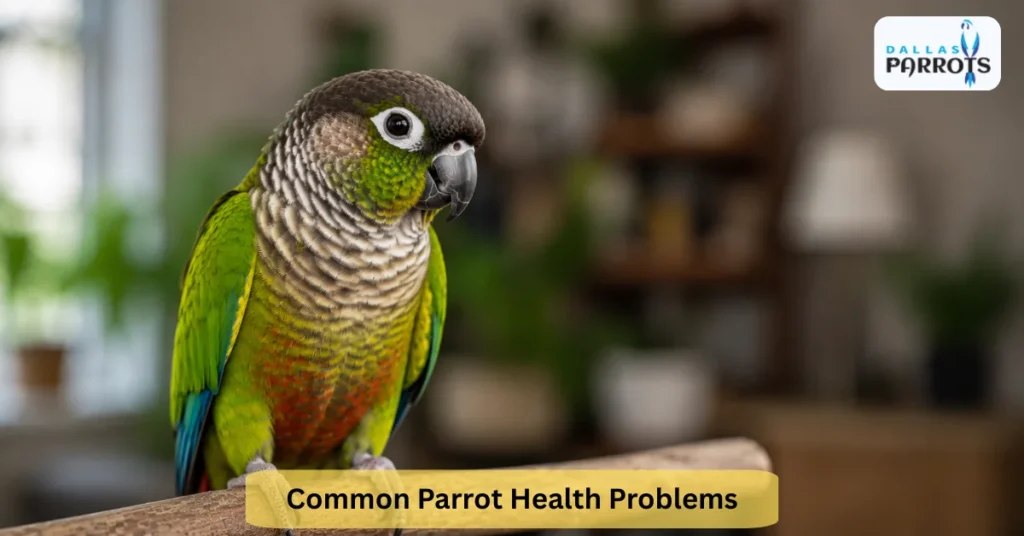
Parrots are one of the most intelligent and rewarding pets you can own. But they are also fragile when it comes to health. Unlike dogs or cats, a sick parrot will hide every sign of illness. By the time symptoms show, the problem is often serious. Recovery becomes much harder at that stage. Common parrot health problems range widely. They include feather plucking and respiratory infections.
More severe conditions like egg binding and psittacine beak and feather disease can be life threatening. Every bird owner needs to know what to watch for and what causes these conditions. Knowing which steps actually prevent them is just as important. This guide covers everything from early warning signs to species specific risks. Use it to give your parrot the long and healthy life it deserves.
Why Parrots Hide Illness (And Why Early Detection Is Critical)
One of the hardest parts of keeping a parrot is that they rarely show you when something is wrong. A sick bird can look perfectly fine for days or even weeks. By the time you notice something is off, the problem may already be serious. This is why early detection matters so much for any bird owner. Catching common parrot health problems early is often the difference between a full recovery and losing your bird.
The Prey Animal Instinct: Why Parrots Mask Symptoms
Parrots and budgies are prey animals in the wild. A bird that looks weak or unwell becomes an easy target for predators. So over thousands of years, birds of the parrot family developed a strong instinct to hide any sign of illness. Your pet bird carries this same instinct even in a safe home. This means a parrot may have a respiratory infection, lose feathers, or show abnormal droppings for days. You may not notice until much later. By the time your bird stops hiding the symptoms, the disease is often already advanced. This is why waiting until your parrot looks obviously sick is never a good plan.
Warning Signs Every Owner Must Know (Behavioral and Physical Checklist)
Watch for these signs in your bird every day. Any one of these can be an early sign of illness:
- Sitting puffed up or low on the perch for long periods
- Loss of appetite or refusing favorite foods
- Less talking, singing or playing than usual
- Change in personality such as hiding or biting
- Sleeping more than normal day
- Nasal discharge or wet feathers around the face
- Tremor in the legs, wings or whole body
- Feather loss, broken feathers or undigested food in droppings
If your parrot shows any of these signs, contact an avian veterinarian as soon as possible. Do not wait to see if it gets better on its own.
1. Feather Plucking (Feather Destructive Behavior)
Feather plucking is one of the most common parrot health problems that bird owners deal with. It happens when a parrot pulls out its own feathers or chews them down. It can affect any species from a cockatiel to a macaw to an african grey. Some birds pull only a few feathers while others can remove almost all the feathers from their body. The behavior can look alarming and it often signals something that needs attention.
Causes: Boredom, Stress, Infections and Nutritional Deficiency
Parrot feather plucking causes fall into two main groups which are behavioral and medical. On the behavioral side, parrot stress health effects are a leading reason. A parrot that does not get enough social time, mental stimulation, or physical activity will often start pulling feathers out of frustration or boredom. Changes in the home, a new pet, a new schedule or even moving the cage can trigger this. On the medical side, bacterial or fungal infections in the skin can cause itching that leads to plucking. Parrot vitamin deficiency symptoms such as low vitamin A can affect feather quality and make the bird uncomfortable. Parasites in birds including mites and lice can cause skin irritation that pushes a bird to pick at its feathers. Any of these can affect parrots of all ages including young parrots and older birds.
How to Tell If It Is Behavioral vs Medical
Behavioral Signs:
- Feathers are missing from the chest, belly, or legs, but the head feathers are fully intact because the bird cannot reach its own head.
- Plucking gets worse when the bird is left alone for long hours or when the home routine changes suddenly
- The skin under the missing feathers looks clean, smooth and free of any redness or swelling
- The bird is active, eating well and shows no other sign of illness apart from the feather loss
- Parrot stress health effects are visible such as pacing, screaming or refusing to interact with people
Medical Signs:
- Feathers are missing from the head or face, which the bird cannot reach on its own, and this points to another bird plucking or a skin infection.
- The bird also shows other signs of illness such as nasal discharge, abnormal droppings, loss of appetite, or a tremor, which suggest a deeper infection like a bacterial or fungal disease.
- Clinical signs of parasites in birds are visible, including tiny moving dots on feathers, excessive scratching, or feather shafts that look chewed from the base.
- Parrot vitamin deficiency symptoms are present, such as dull feather color, soft beak tissue, or slow feather regrowth after molting.
- The skin looks red, irritated, or swollen, or has visible breaks, which are abnormal and need a veterinarian to examine.
- Parrot stress health effects are visible, such as pacing, screaming, or refusing to interact with people.
Prevention and Treatment Option
For behavioral plucking, the focus is on enrichment and routine. Add foraging toys, rotate new activities and spend more one-on-one time with your bird. Make sure the cage environment is not too small and that the bird is not kept in isolation for long hours. Reducing parrot stress is the first step. The disease is associated with stress in many cases, as documented in the MSD Veterinary Manual.
For medical causes, treatment depends on the diagnosis. A veterinarian may prescribe antifungal medication for fungal infections, antibiotics for bacterial infections or recommend dietary changes for vitamin deficiency. Parrot preventive care including a balanced diet with pellets, fresh vegetables and the right supplements will go a long way toward keeping feathers healthy. Spraying the bird with clean water a few times a week also helps keep the skin and feathers in good condition.
2. Respiratory Infections (Breathing Problems in Parrots)
Respiratory problems are among the most serious common parrot health problems any bird owner can face. The lungs and air sac system in a parrot are very different from other pets. When something goes wrong in the respiratory system, birds become sick fast and the condition can turn life-threatening within hours. Catching breathing problems early gives your bird the best chance of recovery.
Symptoms: Open-Mouth Breathing, Tail Bobbing, Wheezing
A healthy parrot breathes quietly and without effort. When a bird starts showing respiratory disease the signs are hard to miss once you know what to look for. Open-mouth breathing in a parrot that is not overheated is a serious sign of illness. Tail bobbing means the whole tail moves up and down with every breath because the bird is working hard just to pull air in. Wheezing, clicking sounds or a wet raspy voice are also signs that something is blocking or irritating the airway. Nasal discharge around the nostrils and wet feathers on the face are other clinical signs that point to a respiratory infection. Any parrot showing these symptoms needs to see a veterinarian the same day.
Causes: Bacteria, Fungi (Aspergillosis), Poor Air Quality and Vitamin A Deficiency
Several things can cause respiratory problems in pet birds. Bacterial infections are one of the most common causes and they often develop when a bird is already stressed or has a weakened immune system. Fungal infections especially Aspergillosis are a serious threat particularly for african grey parrots and other large species. Aspergillosis is a fungal disease that grows in the air sac and lung tissue and it spreads through inhaling fungal spores in the environment. Poor air quality in the home is a major trigger for avian respiratory disease.
Cigarette smoke, candles, aerosol sprays, non-stick cookware fumes, and strong cleaning products can all damage the delicate respiratory system of a parrot. Parrot vitamin deficiency symptoms related to low Vitamin A are also a leading cause because Vitamin A keeps the lining of the respiratory tract healthy. Without it, the tissues break down and become easy targets for bacterial and fungal infection.
Prevention Tips and When to Rush to the Vet
Parrot preventive care for respiratory health starts with keeping the air clean. Never use non-stick pans near your bird and keep the cage away from kitchens and smoking areas. Feed a diet that includes Vitamin A rich foods like sweet potato, carrots and leafy greens to avoid parrot vitamin deficiency symptoms. Change cage paper daily and clean food and water dishes every day to reduce bacterial growth. Keep new birds in quarantine for at least 30 days before introducing them to other birds because respiratory disease can spread quickly through contact with infected birds.
Rush to an avian veterinarian the same day if your parrot shows open-mouth breathing, tail bobbing, wheezing, nasal discharge or sits puffed up on the cage floor. These are not symptoms to monitor at home. A sick bird can go from stable to critical very fast and waiting even a few hours can cost your bird its life.
3. Psittacosis (Parrot Fever) Can Spread to Humans
Psittacosis is one of the most talked about parrot diseases because it does not just affect your bird. It is an infectious disease that can be transmitted to humans. Every bird owner needs to know what it is, how it spreads and how to keep both their family and their birds safe.
What Is Psittacosis and How Does It Spread?
Psittacosis is also called parrot fever. It is caused by a bacterial organism called Chlamydia psittaci that can infect birds across many species including parrots and budgies, cockatiels, lovebirds, amazon parrots and parakeets. The bacteria spreads through contact with infected birds. It can pass through dried droppings, nasal discharge, feather dust and respiratory secretions. An affected bird does not always look sick which makes psittacosis harder to detect than other parrot diseases. A bird may carry and shed the bacteria for months without any obvious sign of illness. Stress, overcrowding or other health conditions can trigger an outbreak in birds that were previously showing no symptoms. The MSD veterinary manual and Parrot Society UK both note that psittacosis is one of the more common diseases affecting pet birds worldwide.
Symptoms in Parrots vs Symptoms in Humans
In parrots the symptoms include loss of appetite, lethargy, nasal discharge, abnormal droppings that are green or yellow and breathing problems. Affected birds may sit puffed up and stop interacting. Young parrots and older birds tend to get hit harder than healthy adult birds. In serious cases birds will die if the infection is not treated with the right antibiotics early.
In humans psittacosis causes flu-like symptoms that include fever, chills, headache, muscle aches and a dry cough. Most people recover with antibiotic treatment but the disease can become serious in older adults or people with weakened immune systems. Because it can be transmitted to humans it falls under the category of zoonotic infectious disease and any suspected case in a bird should be reported to a veterinarian right away.
Prevention: Hygiene, Quarantine and Testing New Birds
Good hygiene is the first line of defense. Wash hands thoroughly after handling any bird, cleaning the cage or touching droppings. Wear a mask when cleaning dusty cages or handling new birds. Always quarantine new birds for at least 30 days in a separate room before bringing them near your existing flock. During quarantine watch closely for any sign of illness and have new birds tested by a veterinarian before they join other birds. Ask your vet about testing specifically for Chlamydia psittaci especially if you are bringing in birds from a wild bird source or an unknown background. Keeping the cage clean and dry reduces the survival of the bacteria in the environment. These steps are simple but they are the most effective way to stop the spread of disease in your home.
4. Nutritional Deficiencies (The Silent Killer in Parrots)
Parrots can go weeks eating the wrong food without showing any obvious sign. By the time symptoms appear, the body has already been dealing with a shortage for a long time. Nutritional deficiencies are one of the most common parrot health problems and they are also one of the most preventable. A bird owner who understands what their parrot actually needs can avoid most of these issues before they ever start.
Vitamin A Deficiency: Causes, Symptoms, Solutions
Vitamin A deficiency is the most common nutritional problem seen in pet birds especially those living on an all seed diet. Seeds are very low in vitamin A and a parrot eating only seeds will slowly develop a shortage that damages the body from the inside. The respiratory system is usually the first to suffer. The lining of the air sac and nasal passages becomes thick and weak which makes the bird more likely to pick up a bacterial or fungal infection.
Parrot vitamin deficiency symptoms include nasal discharge, wheezing, open mouth breathing and frequent respiratory disease. The beak may also become soft or show abnormal growth over time. African grey parrots and amazon parrots are especially prone to this condition. The solution is simple. Add dark leafy greens, carrots, sweet potato and red peppers to the diet. A good quality pellet that already contains the right vitamin levels also helps bring things back to normal.
Calcium Deficiency (Especially in African Greys)
African grey parrots are known for needing more calcium than most other species. Without enough calcium in the diet they can develop tremors, seizures, weak bones and in female birds a serious risk of egg binding. Calcium deficiency is common in birds eating mostly seeds because seeds do not provide enough of this mineral. Symptoms include muscle weakness, a tremor in the legs or wings and signs such as tremors during rest. A veterinarian may confirm low calcium through blood work. Adding cuttlebone, mineral blocks and calcium rich foods like dark greens and cooked legumes helps. In more serious cases a vet may recommend a calcium supplement given directly.
Why Seed-Only Diets Are Dangerous
Seeds are high in fat and low in almost every vitamin and mineral a parrot needs to stay healthy. A parrot living on seeds alone is at risk of parrot obesity problems, fatty liver disease, vitamin A deficiency and calcium shortage all at the same time. Many bird owners do not realize this because their bird looks fine and eats eagerly. The problem builds slowly over months and years. By the time clinical signs appear the bird may already have liver disease or serious bone loss. The MSD veterinary manual and parrot society UK both point to seed heavy diets as a leading cause of parrot diseases that could have been avoided. Switching to a high quality pellet as the base diet and adding fresh vegetables, fruit and limited seeds as treats is the safest and most effective change any bird owner can make.
5. Psittacine Beak and Feather Disease (PBFD)
PBFD is one of the most serious viral diseases that can affect parrots. It spreads easily, has no cure and can move through a group of birds very fast. Any bird owner who keeps multiple parrots or brings new birds into the home needs to understand what this disease does and how to stop it from spreading.
What Is PBFD and Which Parrots Are Most at Risk?
Psittacine beak and feather disease is caused by a virus called beak and feather disease virus which belongs to the circovirus group. It is not the same as polyomavirus but both are serious viral diseases that affect parrots. PBFD attacks the feather follicles and the immune system at the same time. This leaves affected birds unable to grow normal feathers and unable to fight off secondary infection. Cockatoos, african grey parrots, eclectus parrots, lovebirds and macaws are among the bird species most commonly affected. Young parrots are more likely to develop the severe fast moving form of the disease while older birds may carry the virus without showing strong symptoms right away. Wild bird populations can also carry and spread the virus.
Symptoms: Feather Deformity, Beak Abnormalities, Immunosuppression
The clinical signs of PBFD are hard to miss once the disease is active. Feathers grow in abnormal shapes, break close to the shaft or fall out and do not grow back. The feathers that do grow may look powder coated, curved or brittle. Beak abnormalities are also common including soft beak tissue, cracks, overgrowth or a beak that breaks easily during normal use. Because the virus attacks the immune system the bird becomes open to every other infection around it. Bacterial, fungal and other viral infections pile on top of each other. Birds become weak very fast. In young parrots the disease can move quickly and affected birds will die within weeks if the immune system fails completely. There is no cure so treatment focuses on keeping the bird comfortable and managing secondary infections.
Prevention: Quarantine Protocols, Testing New Birds
The only real protection against PBFD is stopping the virus from reaching your birds. New birds should always go through a quarantine period of at least 30 days in a completely separate room before any contact with resident birds. During quarantine the new bird should be tested by a veterinarian for PBFD even if it looks healthy. A bird may carry the virus and show no sign of illness yet still spread it through feather dust and droppings. Wash hands between handling birds and use separate food and water dishes. Do not share toys or perches between quarantine and resident birds. Regular parrot annual vet checks and parrot preventive care routines are the best way to catch any sign of illness early before an outbreak spreads through your flock.
6. Obesity and Fatty Liver Disease
Parrot obesity problems are more common than most people expect and they are almost always connected to diet. A fat parrot may look round and healthy to an untrained eye but inside the body things are already going wrong. Fatty liver disease is the most common result of long term obesity in pet birds and it is a serious condition that shortens life.
Why Seed-Heavy Diets Lead to Obesity
Seeds are naturally high in fat and a parrot that eats seeds freely all day takes in far more fat than its body can use. Unlike wild birds that fly long distances to find food, a caged parrot burns very few calories. The extra fat gets stored in the liver and around the organs. Over time this leads to fatty liver disease which affects how the liver filters the blood and processes nutrients. Budgies, cockatiels, amazon parrots and macaws are all known to develop parrot obesity problems when kept on seed heavy diets. The MSD veterinary manual lists fatty liver disease as one of the most common gastrointestinal diseases in captive pet birds.
Signs of Obesity and Fatty Liver in Parrots
A bird owner should watch for a visible fat deposit around the chest and lower abdomen which feels soft and doughy when gently touched. The bird may breathe harder than usual during normal activity or after short bursts of movement. Parrot liver disease signs include yellow or greenish discoloration in the droppings, a swollen belly, loss of appetite and a generally dull and tired appearance. In more advanced cases the beak may grow faster than normal and the feathers lose their clean healthy look. A veterinarian can confirm fatty liver disease through blood tests and imaging.
Healthy Weight Management Tips
Switch the base diet from seeds to a quality pellet and limit seeds to a small portion given as treats only. Add fresh vegetables like leafy greens, broccoli, carrots and bell peppers daily. Encourage movement by providing a large cage, climbing ropes, foraging toys and regular out of cage time. Avoid giving high fat human foods. If the bird is already overweight do not switch the diet overnight as a sudden change can cause stress. Make gradual changes over a few weeks and have a parrot annual vet check to track the progress. Parrot preventive care through diet and exercise is the most effective way to keep weight in a healthy range and protect the liver long term.
7. Bumblefoot (Pododermatitis) Foot and Perch Problems
Bumblefoot is a common condition in pet birds that affects the skin on the bottom of the feet. It starts as mild irritation and can develop into a painful infection if left untreated. Any parrot from a small budgie to a large macaw can develop it and the main cause is almost always related to the perches inside the cage.
What Causes Bumblefoot in Parrots?
The most common cause is standing on hard smooth perches of the same diameter for long periods. When a parrot grips the same surface all day the pressure concentrates on the same spots of the foot and breaks down the skin over time. Obesity adds to the problem because more body weight means more pressure on the feet. Dirty perches carry bacteria that enter through small breaks in the skin and start an infection. Poor nutrition especially parrot vitamin deficiency symptoms related to vitamin A weakens the skin and makes it less able to handle daily wear. Avian vets also note that plastic and sandpaper perches are among the leading causes seen in pet birds.
Signs: Redness, Swelling, Limping, Perch Avoidance
Early bumblefoot shows as pink or red patches on the bottom of the foot. As it gets worse the area becomes swollen, warm and may develop a dark scab or open wound. The bird will start to shift weight off the affected foot, limp or avoid standing on certain perches. In serious cases the bird may sit on the cage floor to escape the pain. Any abnormal change in how your parrot stands or grips should be checked by a veterinarian quickly because once a bacterial infection gets deep into the foot tissue it becomes much harder to treat.
Prevention: Perch Variety and Foot Care
Offer at least three different perch types in the cage including natural wood branches of varying thickness, a rope perch and a softer textured perch. Varying the diameter means different parts of the foot bear the weight at different times. Keep all perches clean and replace any that are cracked or rough. Check the feet during regular parrot annual vet checks and as part of your daily parrot preventive care routine. If you notice early redness catch it fast because at that stage simple perch changes and cleaning are often enough to reverse it.
8. Egg Binding (Female Parrots Only)
Egg binding happens when a female parrot is unable to pass an egg through the reproductive tract and out of the body. It is a medical emergency. Without fast action the egg puts pressure on nerves and organs and the bird can die within hours.
What Is Egg Binding and Why Is It Life-Threatening?
A normal egg moves through and out of the body within 24 hours. When something stops that process the egg gets stuck. The pressure it creates inside the body blocks blood flow, compresses the air sac and puts stress on the kidneys and nerves. The longer it stays stuck the weaker the bird becomes. Egg binding is common in budgies, lovebirds, cockatiels and other smaller species. It is often connected to calcium deficiency which leaves the muscles too weak to push the egg out. Cold temperatures, obesity and a first time laying bird are also common risk factors.
Symptoms and Emergency First Steps
A bird with egg binding will sit low on the perch or on the cage floor looking puffed up and weak. The tail bobs with each breath and the abdomen may look visibly swollen. The bird strains repeatedly without producing an egg and may show a tremor in the legs. Loss of appetite and complete stillness are also common signs. If you see these symptoms do not wait. Keep the bird warm by placing the cage in a warm room around 85 to 90 degrees Fahrenheit and get to an avian veterinarian the same day. Do not try to press or massage the abdomen at home as this can break the egg inside which is far more dangerous.
Calcium Supplementation to Prevent Egg Binding
Calcium is the most important mineral for preventing egg binding. Without enough calcium the muscles around the reproductive tract cannot contract properly to move the egg out. African grey parrots and budgies are especially prone to calcium shortage. Add cuttlebone and mineral blocks to the cage at all times so the bird can take what it needs. Dark leafy greens, cooked legumes and specially formulated avian calcium supplements are also good additions. A parrot annual vet check before and during breeding season helps catch any deficiency early. Parrot preventive care that includes a calcium rich diet is the single most effective way to reduce the risk of egg binding in female birds.
9. Parasites (Internal and External)
Parasites in birds are more common than many pet owners realize and they can cause serious health problems if not caught early. Both internal and external parasites affect parrots and some can spread between birds very quickly in a shared space.
Common Parasites: Mites, Lice, Worms, Trichomonas
External parasites include feather mites and lice which live on the skin and feathers. Feather mites are tiny and often invisible to the naked eye but they cause intense itching and feather damage. Air sac mites are more serious and affect the respiratory system causing wheezing and breathing problems. Internal parasites include roundworms, tapeworms and Trichomonas which is a single celled organism that infects the crop and digestive tract. Trichomonas is common in budgies and parakeets and spreads through contaminated water and contact with infected birds.
Symptoms and How to Check Your Parrot
A bird with external parasites will scratch frequently, shake its head and have feathers that look rough, broken or dull. Restless nights are also a sign because mites are more active in the dark. For internal parasites watch for weight loss despite normal eating, undigested food in the droppings, vomiting, nasal discharge and loss of appetite. A swollen crop that does not empty overnight can point to Trichomonas or a crop infection. Check the feathers regularly by parting them gently near the base and looking at the skin. For internal parasites only a veterinarian can confirm the type through a fecal test or crop swab.
Treatment and Prevention Products
Treatment depends on the type of parasite. A veterinarian will prescribe the right medication which may include antiparasitic drops, injectable treatments or oral medication. Never use over the counter mite sprays without veterinary guidance as many are toxic to birds. For prevention keep the cage very clean and change food and water daily. Quarantine all new birds for at least 30 days before any contact with resident birds. Wash your hands after handling any bird or cleaning the cage. A parrot annual vet check that includes a fecal test once a year is one of the best ways to catch internal parasites before they cause serious damage. Parrot preventive care through hygiene and regular testing keeps both internal and external parasites under control.
Species-Specific Health Problems (Quick Reference Table)
Every parrot species comes with its own set of health risks. Knowing what your specific bird is prone to helps you catch problems early and take the right steps before things get serious.
| Species | Common Health Problems | Key Risk Factor |
|---|---|---|
| African Grey | Calcium Deficiency, Aspergillosis, Feather Plucking | Low calcium diet |
| Cockatoos and Macaws | PBFD, PDD, Feather Destructive Behavior | Stress and virus exposure |
| Budgies and Lovebirds | Psittacosis, Obesity, Egg Binding | Seed diet and calcium shortage |
African Grey Parrots: Calcium Deficiency, Aspergillosis, Feather Plucking
African grey parrots are intelligent and sensitive birds that need very specific care. They are more prone to certain health conditions than most other species and a bird owner keeping an african grey should watch these three areas closely.
- African grey parrots need more calcium than almost any other parrot species and a seed based diet puts them at high risk of deficiency leading to tremors, seizures and egg binding in females
- Aspergillosis is a serious fungal infection of the respiratory system and air sac that affects african greys more than other species especially when kept in damp or poorly ventilated spaces
- Feather plucking is very common in african grey parrots and is often triggered by parrot stress health effects including boredom, lack of social time or any change in the home environment
- Parrot vitamin deficiency symptoms particularly low vitamin A weaken the immune system in african greys and make them more likely to pick up bacterial and fungal infections
- Regular parrot annual vet checks with blood work are strongly recommended for african greys to monitor calcium levels and catch any sign of illness before clinical signs become serious
Cockatoos and Macaws: PBFD, PDD, Feather Destructive Behavior
Cockatoos and macaws are large and long living birds that bond deeply with their owners. Their size does not protect them from disease and both species carry specific health risks that every owner should know about.
- Psittacine beak and feather disease is very common in cockatoos and the virus spreads through feather dust and droppings meaning new birds must always go through quarantine before joining a flock
- Proventricular dilatation disease also called macaw wasting disease or PDD affects the nervous system of the digestive tract and causes undigested food to appear in droppings along with weight loss and weakness
- Feather destructive behavior in cockatoos and macaws is often severe and linked to parrot stress health effects from isolation, lack of enrichment or a sudden change in routine
- PBFD causes abnormal feather growth, beak abnormalities and immunosuppression in affected birds and young parrots of these species are at the highest risk of the fast moving fatal form
- Both cockatoos and macaws need large enriched living spaces and consistent social interaction because the disease is associated with stress and a bored bird is a bird at much higher health risk
Budgies and Lovebirds: Psittacosis, Obesity, Egg Binding
Budgies and lovebirds are small birds but they face health challenges that are just as serious as those in larger parrots. Their small size means conditions can become critical faster so early detection is especially important.
- Psittacosis also called parrot fever is very common in budgies and lovebirds and can spread to humans through contact with droppings or nasal discharge making hygiene and quarantine of new birds very important
- Parrot obesity problems develop quickly in budgies kept on seed only diets because they eat freely throughout the day and burn very little energy in small cages
- Egg binding is one of the most common emergencies seen in female budgies and lovebirds and is directly connected to calcium deficiency and poor diet in birds that lay frequently
- Parrots and budgies showing signs of psittacosis include nasal discharge, abnormal droppings, loss of appetite and breathing problems and a veterinarian should be contacted immediately as it is a disease transmitted to humans
- Parrot preventive care including a pellet based diet, cuttlebone access, regular cage cleaning and a parrot annual vet check each year significantly reduces the risk of all three of these common conditions in small species
How to Prevent Parrot Health Problems: Complete Checklist
Most common parrot health problems do not appear out of nowhere. They build slowly over time because of small things that get missed or ignored in daily care. A simple and consistent routine is the most effective tool any bird owner has to keep their parrot healthy for the long term.
Daily, Weekly and Monthly Health Check Routine
Checking your bird every day does not take long but it catches problems before they become serious. Here is what to do at each interval.
Daily:
- Check droppings every morning for any change in color, texture or smell as abnormal droppings are one of the earliest signs of illness in pet birds
- Observe your parrot for at least a few minutes and note any change in energy, appetite, talking, posture or breathing including tail bobbing or open mouth breathing
- Refresh food and water completely and remove any uneaten fresh food after a few hours to stop bacterial growth in the cage
- Look at the feathers, eyes, beak and feet briefly for any visible swelling, discharge, abnormal growth or feather loss
- Spend interactive time with your bird because parrot stress health effects build fast in birds that are left alone and ignored daily
Weekly:
- Scrub food and water dishes with hot water and bird safe soap and rinse them fully before refilling
- Wipe down perches and cage bars and check all perches for cracks or rough spots that can cause bumblefoot
- Weigh your parrot on a small kitchen scale and record the number because steady weight loss is one of the clearest early signs of illness even when the bird looks fine
- Check for any parasites in birds by parting feathers near the skin and looking for mites, lice or unusual skin irritation
- Rotate and inspect toys and remove any that are broken, frayed or dirty enough to harbor bacteria
Monthly:
- Do a full cage clean including the tray, grates, walls and any fabric items using a bird safe disinfectant
- Review the diet and check that pellets are not expired, fresh food variety is adequate and any supplements are still within date
- Observe overall body condition including muscle tone around the chest bone and fat deposits near the abdomen
- Check the beak and nails for overgrowth and arrange a trim with an avian veterinarian if needed
- Book or confirm a parrot annual vet check because parrot preventive care through regular professional examination is the only way to catch internal problems like liver disease or calcium deficiency early
Diet Essentials: Pellets, Fresh Food, Supplements
Diet is the foundation of parrot health and a poor diet is behind more common parrot health problems than almost any other cause.
- A quality formulated pellet should make up 60 to 70 percent of the daily diet because pellets are designed to provide the full range of vitamins and minerals that seeds completely lack
- Fresh vegetables should be offered daily and the best choices include dark leafy greens, carrots, sweet potato, broccoli and bell peppers which are all high in vitamin A and help prevent parrot vitamin deficiency symptoms
- Fresh fruit can be given a few times a week in small amounts but avoid avocado, onion, garlic and fruit seeds as these are toxic to birds of the parrot family
- Seeds should be treated as occasional treats only and never as a main food source because a seed heavy diet leads directly to parrot obesity problems and fatty liver disease over time
- Calcium supplements through cuttlebone or mineral blocks should always be available in the cage especially for african grey parrots, female birds and any bird that lays eggs regularly
Cage Hygiene and Environment Tips
A clean and well set up cage reduces the risk of bacterial, fungal and respiratory disease significantly.
- Place the cage in a well ventilated room away from the kitchen because fumes from non stick cookware, candles and aerosol sprays are toxic to the avian respiratory system and air sac
- Line the cage tray with clean paper and change it daily so droppings do not build up and create a source of bacterial and fungal infection
- Keep the cage away from cold drafts and direct air conditioning vents because sudden temperature changes weaken the immune system and make birds become more vulnerable to respiratory disease
- Quarantine any new birds in a completely separate room for at least 30 days before any contact with resident birds and have the new bird tested by a veterinarian for psittacine beak and feather disease and psittacosis
- Never place the cage near other pet animals, high traffic areas or in rooms with strong chemical smells because parrot stress health effects and poor air quality together raise the risk of both behavioral and medical problems
When to See an Avian Vet: Red Flag Symptoms List
| Emergency (See Vet Same Day) | Monitor at Home (See Vet Within Few Days) |
|---|---|
| Open mouth breathing or tail bobbing | Mild sneezing without discharge |
| Egg binding signs | Slightly soft droppings after new food |
| Seizures or full body tremor | Feather loss during molting season |
| Complete loss of appetite with eyes closed | Quieter behavior over several days |
| Bleeding from any part of body | Slow beak or nail overgrowth |
Knowing when to act fast can save your parrot’s life. Because pet birds hide illness so well by the time symptoms are obvious the situation is often already serious.
Emergency Symptoms (See Vet Same Day)
These signs mean your bird needs a veterinarian immediately without waiting to see if things improve on their own.
- Open mouth breathing, tail bobbing with every breath or wheezing at rest are signs of a serious respiratory disease or air sac infection that can become fatal within hours
- A bird sitting on the cage floor unable to perch, with a swollen abdomen and straining repeatedly is showing classic signs of egg binding which is a life threatening emergency
- Seizures, full body tremor or sudden loss of balance and coordination point to severe calcium deficiency, viral disease or nervous system involvement and need same day veterinary attention
- Complete loss of appetite combined with puffed feathers and eyes closed during the day means the bird is too sick to hide it and the disease is already advanced
- Bleeding from any part of the body including a broken blood feather, injury or nasal discharge with blood requires immediate veterinary attention with no delay
Non-Urgent Symptoms to Monitor
These signs are not immediate emergencies but they should be checked by a veterinarian within a few days and should never be ignored for longer than a week.
- Mild sneezing once or twice a day without discharge can be normal but sneezing with nasal discharge or frequent sneezing that increases over days points to early respiratory disease or psittacosis
- Soft or slightly abnormal droppings for one day after a new food is introduced can be normal but droppings that stay abnormal in color or texture for more than two days need veterinary assessment
- A small amount of feather loss during molting season is normal but patchy loss outside of molting, broken feathers or early signs of feather plucking should be checked to rule out a medical cause
- A parrot that becomes quieter or less active than usual over several days without an obvious reason such as seasonal change may be showing early parrot stress health effects or the beginning of a sign of illness
- Slight overgrowth of the beak or nails is not an emergency but left too long it can affect eating and perching so it should be addressed at the next parrot annual vet check or sooner if growth is fast or abnorma
Why Dallas Parrots Is the Right Place to Start Your Parrot Journey
Starting your parrot journey with the right source makes all the difference between a healthy happy bird and one that comes home already carrying problems. Dallas Parrots is a family owned aviary based in Texas that has spent years raising and placing healthy well socialized parrots with families who genuinely care. Every bird that leaves Dallas Parrots has been raised in a clean safe environment with proper nutrition, regular veterinary attention and the kind of hands on care that sets a young parrot up for a long healthy life.
Benefits of Choosing Dallas Parrots
- All birds are raised in a clean and controlled environment that significantly reduces the risk of common parrot health problems from day one
- Every parrot receives proper nutrition from an early age including pellets and fresh food so you are not starting with a bird already damaged by a poor seed only diet
- Birds are socialized daily with people which means less stress related behavioral problems like feather plucking after they move into your home
- Dallas Parrots provides genuine after sale support so new owners always have someone to ask when questions come up about diet, health or behavior
- All available birds can be viewed and health information is shared openly so you know exactly what you are bringing into your home before you commit
Contact Us
Have a question about a bird, a health concern or just want to know more before you decide? The Dallas Parrots team is easy to reach and happy to help. Whether you are a first time bird owner or an experienced keeper looking for a specific species, reaching out is the best first step. Visit Dallas Parrots at dallasparrots.com or get in touch directly through the contact page and someone from the team will get back to you as soon as possible.
Conclusion
Common parrot health problems are serious but most of them are preventable when you start with the right bird, feed the right diet and stay consistent with care and veterinary checkups. From feather plucking and respiratory infections to egg binding and fatty liver disease, every condition covered in this guide has clear warning signs and clear solutions. The more you understand your bird the earlier you catch problems and the better the outcome. Dallas Parrots is here to make sure your parrot journey starts on the strongest possible foundation so your bird can live a long healthy and happy life with your family.
What are the most common health problems in parrots?
The most common health problems in parrots include feather plucking, respiratory infections, psittacosis (parrot fever), nutritional deficiencies, obesity, fatty liver disease, bumblefoot, egg binding, and parasites. Early detection and regular avian vet visits can help prevent many of these conditions.
How can I tell if my parrot is sick?
Signs of illness in parrots include loss of appetite, puffed feathers, unusual sleeping, tail bobbing, open-mouth breathing, nasal discharge, abnormal droppings, feather loss, and changes in behavior. Because parrots naturally hide illness, even small changes should be taken seriously.
Why is a seed-only diet bad for parrots?
A seed-only diet is unhealthy because seeds are high in fat and low in essential vitamins and minerals. Over time, this can lead to obesity, fatty liver disease, vitamin A deficiency, and calcium deficiency. A balanced diet should include pellets, fresh vegetables, and limited seeds as treats.
When should I take my parrot to an avian veterinarian?
You should contact an avian veterinarian immediately if your parrot shows open-mouth breathing, tail bobbing, seizures, egg-binding symptoms, bleeding, or complete loss of appetite. These are emergency signs that require same-day veterinary care.
Can parrots spread diseases to humans?
Yes, parrots can spread psittacosis (parrot fever) to humans. This bacterial infection can be transmitted through droppings, feather dust, and respiratory secretions from infected birds. Proper hygiene, quarantine procedures, and regular health checks help reduce the risk.
How can I prevent health problems in my parrot?
The best way to prevent parrot health problems is to provide a balanced diet, clean living environment, daily interaction, regular exercise, and annual avian vet checkups. Monitoring your bird’s weight, droppings, feathers, and behavior can also help catch health issues early before they become serious.
Recent Posts