Introduction
If you have been searching for galah parrots for sale, you are already considering one of the most stunning and entertaining parrots in the world. Also known as the rose-breasted cockatoo, the galah is a medium-sized Australian parrot famous for its vivid pink chest and soft grey wings. They live an impressive 40 to 50 years in captivity, making them a lifelong companion. Therefore, before you fall in love with those striking pink feathers, it is important to understand exactly what owning one involves. This guide covers everything you need to know — personality, diet, cage setup, health, and buying tips — so you can make the most informed decision possible for your home and family.
What Is a Galah Parrot
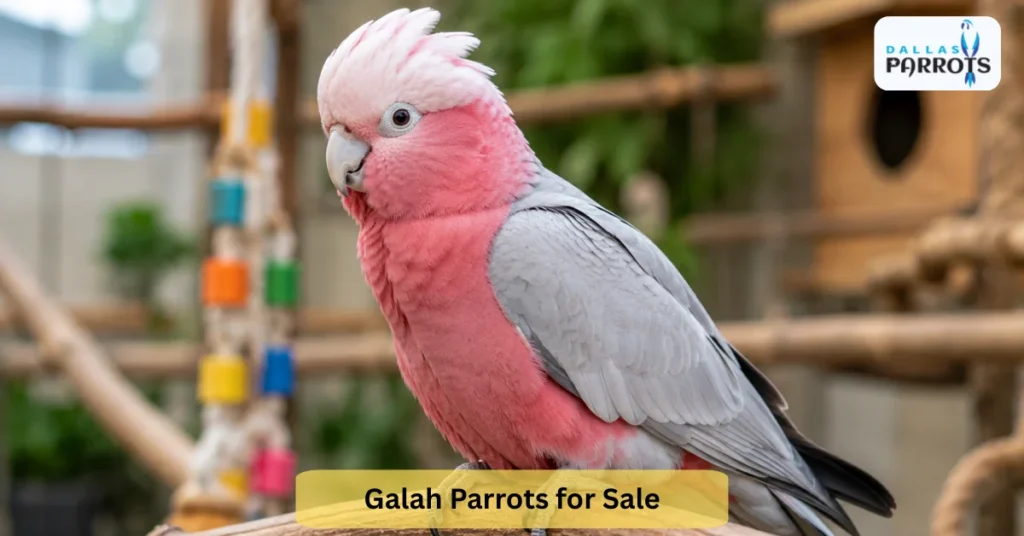
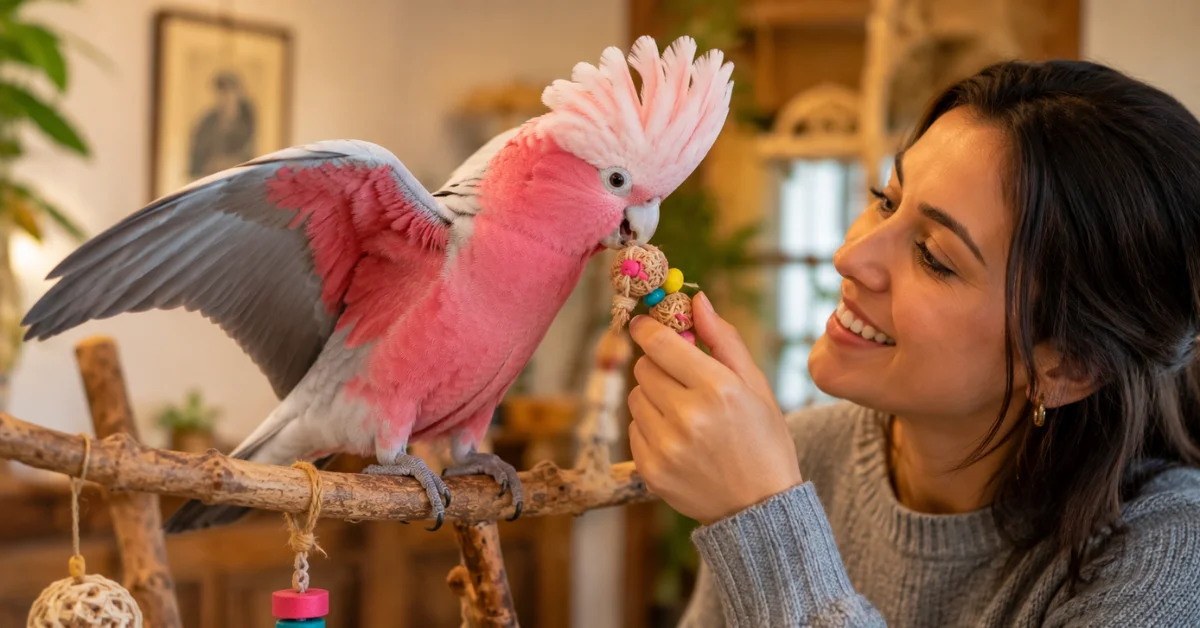
The galah (Eolophus roseicapilla) is a medium-sized cockatoo native to Australia. It is one of the most widespread and recognized parrot species on the entire continent. Adults grow to about 12 to 15 inches in length and weigh between 270 and 350 grams. Their appearance is genuinely eye-catching — a soft rose-pink chest and face, pale pink crest, and grey wings and back. Males and females look almost identical, though iris color differs slightly between the two. Furthermore, galahs are highly social birds in the wild. They travel in large flocks and form strong pair bonds that last a lifetime. In Australian slang, the word “galah” actually means a fool or clown — inspired by this bird’s famously playful and cheeky behavior. Additionally, galahs are slightly quieter and less demanding than larger cockatoo species. This makes them more manageable for a wider range of households and living situations.
Finding Galah Parrots for Sale From the Right Source
Finding the right source when searching for galah parrots for sale is one of the most important decisions you will make as a buyer. Always prioritize reputable breeders who allow visits, show you the parent birds, and provide health certificates and disease testing results for the baby. Hand-fed, well-socialized babies adjust to new homes far more smoothly than parent-raised birds. Additionally, ask whether DNA sexing has been completed — it removes any guesswork entirely. Avoid sellers who cannot answer basic care questions, keep birds in poor conditions, or pressure you into a fast purchase decision. Rescue organizations are also a genuine and rewarding option — galahs are commonly rehomed due to owner lifestyle changes rather than behavioral problems. Furthermore, always observe the bird in person before committing. A healthy galah should look alert, active, and bright-eyed, with clean smooth feathers and a strong healthy appetite. Never buy a bird that looks fluffed up, lethargic, or uninterested in its surroundings.
Galah Personality and Temperament
Honestly, the galah’s personality is what makes buyers fall completely in love with this bird. Galahs are playful, affectionate, curious, and surprisingly funny. They perform silly antics, hang upside down from perches, and love showing off for their owners every single day. Moreover, they bond deeply with their families and can become true velcro birds — wanting to stay close to you at all times. They are generally quieter than larger cockatoos like Moluccans or Umbrellas, which makes them more suitable for apartment and home settings. However, they still vocalize actively at dusk and dawn and can scream if bored or ignored for too long. Furthermore, galahs are highly intelligent and thrive on learning tricks and solving puzzle toys. Without daily mental stimulation and direct social interaction, they quickly develop destructive habits like feather plucking or excessive screaming. Consequently, they suit owners who can genuinely dedicate real time and attention every single day without compromise.
Best Diet for a Galah Parrot
Diet is one of the most critical and most misunderstood aspects of galah ownership. Galahs are highly prone to obesity and fatty liver disease, so getting their diet right from day one matters enormously. Start with high-quality low-fat pellets, which should make up 50 to 60 percent of their daily food intake. Pellets deliver balanced nutrition that seeds simply cannot match on their own. In addition, offer fresh vegetables daily — kale, spinach, broccoli, carrots, bell peppers, and corn all work excellently. Offer fruits like apples, berries, pear, and papaya in smaller portions a few times a week only. Furthermore, whole grains like soaked oats, wheat, and cooked brown rice make great supplementary additions to their regular meals. Seeds and nuts should only be used sparingly as training treats — never as a diet staple. A seed-heavy diet remains the leading cause of obesity and shortened lifespan in galahs. Always remove uneaten fresh food within a few hours and provide clean water every single day without exception.
Cage Setup and Housing Requirements
Getting the cage right for a galah matters far more than most new buyers realize before bringing one home. The minimum recommended cage size is 24 x 24 x 36 inches, but a larger cage is always the better choice for this active bird. Galahs are enthusiastic climbers and need plenty of room to move around comfortably. Bar spacing should be around one inch to prevent any risk of injury. Inside the cage, include multiple perches at different heights, foraging toys, wooden chew items, ropes, and swings. Galahs are heavy chewers, so natural wood perches need regular replacement as they wear down. Additionally, place the cage in a busy social area of your home — galahs do not tolerate isolation well at all. Out-of-cage time of at least three to four hours daily in a bird-proofed space is essential for their physical and mental health. Furthermore, galahs produce significant feather dander, so bathing or misting two to three times per week keeps their feathers and skin in excellent condition. A clean, enriched, and social environment is a basic daily requirement for a happy galah — not an optional extra.
Common Health Issues to Watch For
Galahs are generally hardy birds, but several health issues demand every owner’s awareness and proactive attention. Obesity and fatty liver disease are the most common problems — almost always caused by seed-heavy diets combined with insufficient daily exercise. Psittacine Beak and Feather Disease (PBFD) is a viral infection that damages feathers and seriously weakens the immune system over time. Galahs with poor diets or chronically high stress levels are more vulnerable to this condition. Respiratory infections can develop from damp environments, poor air circulation, or household fumes from non-stick cookware and cleaning products. Additionally, calcium deficiency becomes a real concern when the diet lacks variety and proper balance. Feather plucking typically signals boredom, stress, or insufficient social interaction rather than any direct physical illness. Therefore, annual avian vet checkups are strongly recommended for every galah owner without exception. Furthermore, daily monitoring of your bird’s weight, droppings, feather condition, and eating habits helps you catch early changes before they develop into serious health problems that are harder to treat.
Galah Parrots and Social Needs
One thing many buyers overlook before finding galah parrots for sale is just how deep the social needs of this species run. Galahs are not birds that can be left alone for long stretches without real consequences. In the wild, they live in large, constantly active flocks. Therefore, in captivity, they need you — or another trusted companion — to fill that social role every day. A galah left alone for most of the day will become bored, anxious, and eventually destructive. Moreover, they thrive on routine — consistent feeding times, regular out-of-cage play sessions, and predictable daily interaction all help them feel secure and emotionally balanced. Additionally, galahs enjoy bathing and benefit from regular misting sessions, which also provide a fun form of daily enrichment. If you are considering bringing home two galahs, introductions need careful management — not all galahs accept a new companion easily. Furthermore, regular training sessions using positive reinforcement help channel their intelligence productively and strengthen the bond between bird and owner over time.
Is a Galah Parrot Right for You
Before you finalize your search for galah parrots for sale, it is worth honestly asking whether this bird truly fits your lifestyle and daily routine. Galahs are not low-maintenance pets by any measure. They need daily interaction, mental stimulation, a carefully managed low-fat diet, and significant out-of-cage time every single day. They are better suited for owners who spend a meaningful amount of time at home throughout the day. Furthermore, their 40 to 50 year lifespan means this is a commitment that could outlast careers, relationships, and multiple living situations. If you travel frequently or work extremely long hours away from home, a galah may not be the right fit for your life right now. However, for the right owner — someone who is home often, patient, consistent, and genuinely passionate about birds — a galah will reward you with decades of loyalty, laughter, and companionship that truly cannot be matched by any other pet. Think carefully, plan thoroughly, and then move forward with full confidence.
Contact Us
Interested in bringing home a galah parrot? We would love to help you find your perfect feathered companion. At Dallas Parrots, every galah is hand-raised with care, fully socialized from day one, and ready to become a beloved part of your family.
Whether you have questions about availability or care, our team is always happy to guide you. Reach out today and we will get back to you as soon as possible.
Conclusion
The galah parrot is one of the most rewarding and visually stunning birds you can welcome into your home and family. Their playful personality, deep family bonds, and striking pink-and-grey appearance make them genuinely unforgettable companions for decades. Galah parrots for sale from reputable breeders are a serious long-term commitment — a balanced low-fat diet, a spacious enriched cage, regular bathing, daily social interaction, and annual vet visits all play an equal role in keeping your galah healthy and thriving. At Dallas Parrots, our galahs are hand-raised with love, fully socialized, and ready to become a cherished part of your family. Reach out today to check current availability and ask us anything about caring for your new bird.