
Introduction
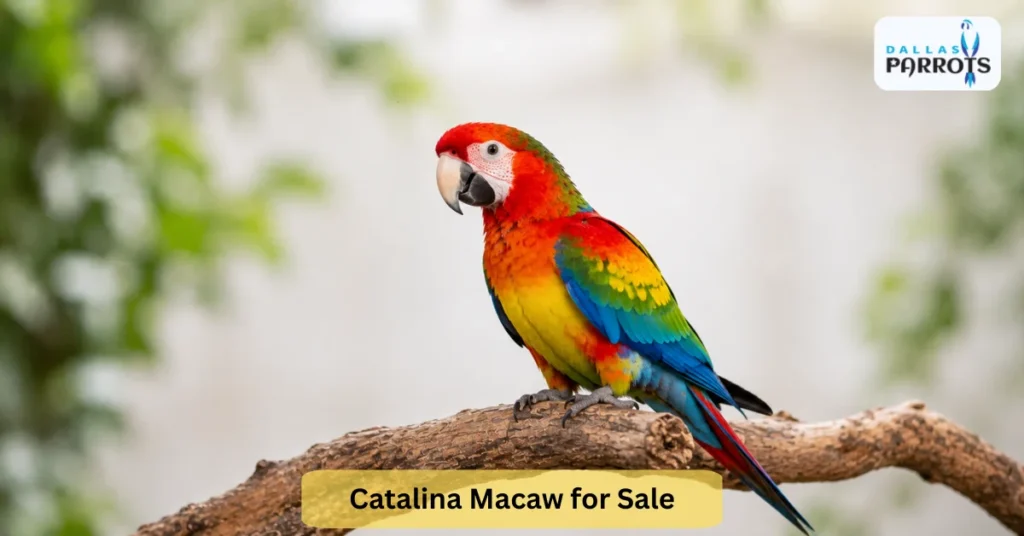
If you have been searching for a catalina macaw for sale, you are already drawn to one of the most breathtaking hybrid parrots in the world. The catalina macaw — also called the rainbow macaw — is a first-generation hybrid born from a scarlet macaw and a blue-and-gold macaw. The result is genuinely spectacular in every way. Imagine the bold fiery colors of a scarlet macaw blended with the calm, sociable temperament of a blue-and-gold. That is exactly what you get. However, owning one is a serious commitment that stretches across decades. They are loud, intelligent, demanding, and deeply social. Therefore, before you move forward, every potential buyer deserves the full picture — the good, the challenging, and everything in between.
What Is a Catalina Macaw and Why Everyone Wants One
The catalina macaw for sale you see advertised is a deliberately bred hybrid parrot — not a naturally occurring species. Also widely known as the rainbow macaw, it combines the scarlet macaw (Ara macao) and the blue-and-gold macaw (Ara ararauna) to produce extraordinary color combinations and blended personality traits. Adults grow to approximately 32 to 35 inches from beak to tail and weigh between 2 and 3 pounds. Furthermore, their plumage is genuinely unlike anything else in the bird world. Most catalinas display a vivid mix of red, orange, yellow, green, and blue across their entire body — no two birds look exactly alike. Additionally, males and females appear virtually identical, and DNA testing is the only reliable method to determine sex. Moreover, first-generation catalinas tend to display hybrid vigor — generally robust health that benefits from the genetic diversity of two distinct parent species. Overall, the rainbow macaw is a one-of-a-kind bird in every sense.
Catalina Macaw Personality and Temperament
Ask any experienced owner who found a catalina macaw for sale what surprised them most and the answer is almost always the personality. These birds are bold, playful, affectionate, and utterly full of themselves in the best possible way. They inherit the scarlet macaw’s inquisitive, independent energy and the blue-and-gold’s warm, sociable nature — creating a bird that is both confident and genuinely loving toward its family. Furthermore, catalinas bond deeply with their primary owners and thrive on daily physical interaction — shoulder rides, head scratches, and trick training sessions are daily highlights. However, they can develop jealousy and possessiveness if their attention needs go unmet for too long. Additionally, early socialization with multiple people, environments, and routines is critical to shaping a well-adjusted adult catalina macaw. Moreover, they respond exceptionally well to positive reinforcement training from a young age. Consequently, a well-socialized catalina macaw becomes one of the most rewarding companion birds an experienced owner can share life with.
Catalina Macaw Talking Ability
One of the most exciting things about finding a catalina macaw for sale is their impressive catalina macaw talking ability. Catalinas inherit strong vocal intelligence from both parent species and rank above average among large macaws for speech. They can learn a substantial vocabulary of words, short phrases, and contextually appropriate responses with consistent daily training. Furthermore, their mimicry extends beyond speech — they readily pick up household sounds, music, laughter, and whistled tunes throughout the day. Additionally, their voices are powerful and carry across rooms and walls without difficulty. However, catalina macaw talking ability varies by individual bird — some develop rich vocabularies while others prefer whistles and contact calls. Moreover, training sessions work best when kept short — ten to fifteen minutes daily — and built entirely around positive rewards. Overall, the catalina macaw’s talking ability is a genuine highlight that attracts many buyers who invest consistent time and patience into daily training sessions.
Best Diet for a Catalina Macaw
Feeding a catalina macaw correctly is one of the most critical daily responsibilities of ownership for any hybrid macaw for sale buyer. Start with high-quality large macaw pellets — roughly 50 to 60 percent of their daily food intake. Pellets deliver balanced vitamins and minerals that seeds simply cannot provide on their own. In addition, offer fresh vegetables daily — leafy greens, broccoli, carrots, bell peppers, corn, and sweet potato all work excellently. Offer fruits like mango, papaya, apple, pomegranate, and berries in moderate daily portions. Furthermore, nuts make excellent training rewards — almonds, walnuts, and macadamia nuts are firm catalina macaw favorites. Seeds should be used as occasional treats rather than dietary staples to avoid nutritional imbalance over time. Additionally, never feed avocado, chocolate, onion, or caffeine — all are toxic to any catalina macaw without exception. Always provide fresh clean water daily and remove uneaten fresh food within a few hours to maintain hygiene.
Cage Setup and Housing for a Catalina Macaw for Sale
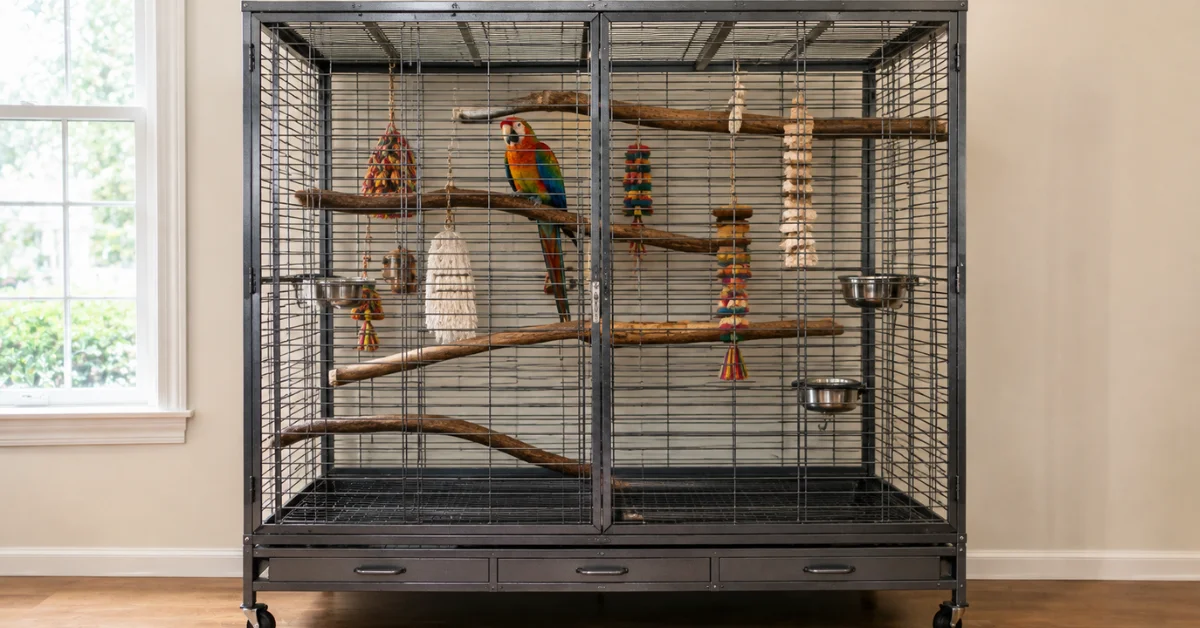
Setting up the right environment for any catalina macaw for sale is not a small undertaking — and every buyer must understand this clearly before purchasing. These are large, powerful birds that need substantial space to thrive. The minimum recommended cage size is 36 x 48 x 60 inches, with heavy-duty bar spacing of one to one and a half inches to withstand their powerful beaks. Furthermore, the cage must be constructed from stainless steel or powder-coated metal — wooden cages will not survive a catalina macaw for long. Inside, include large natural wood perches of varying diameters, heavy-duty foraging toys, shreddable items, swings, and stainless steel food and water dishes. Additionally, a separate large play stand outside the cage gives them a dedicated out-of-cage space. Catalinas need a minimum of three to four hours of out-of-cage interaction daily in a thoroughly bird-proofed room. Moreover, the cage should sit in a social area of the home where household activity provides passive daily enrichment. A well-set-up environment is the foundation of their physical and emotional health.
Catalina Macaw Lifespan and Health Considerations
One of the most critical facts every buyer must understand before finding a catalina macaw for sale is the extraordinary catalina macaw lifespan. With proper care, diet, and regular avian vet attention, the catalina macaw lifespan reaches between 50 and 60 years in captivity. Some exceptionally well-cared-for individuals have reportedly exceeded 60 years. Therefore, bringing home this hybrid macaw for sale is genuinely a multi-decade life decision. Furthermore, while first-generation hybrids benefit from hybrid vigor, they remain vulnerable to several health conditions every owner must know. Feather destructive behavior is common in under-stimulated or emotionally neglected birds. Psittacosis and respiratory infections develop from poor ventilation or unclean living conditions. Proventricular Dilatation Disease (PDD) is a serious neurological condition that affects macaws and requires prompt veterinary attention when detected. Additionally, nutritional deficiencies develop quickly in birds fed seed-heavy diets. Consequently, annual avian vet checkups and daily health monitoring are non-negotiable throughout the entire catalina macaw lifespan.
Is a Catalina Macaw for Sale Right for You
Before you finalize your decision on any catalina macaw for sale, this is the single most important question every buyer needs to answer honestly. Catalina macaws are not beginner birds — not even close. They are loud, capable of producing vocalizations that carry clearly through walls and windows at 100 to 106 decibels. They are powerful — their beaks can cause serious injury if trust and training are not established consistently from the beginning. Furthermore, the catalina macaw lifespan of 50 to 60 years means this commitment could outlast careers, children growing up, and multiple homes entirely. Additionally, the hybrid macaw for sale financial investment is substantial — quality cage setup, ongoing food, enrichment toys, and annual vet care add up significantly every year. However, for the right owner — experienced, patient, home frequently, and genuinely passionate about large parrots — a catalina macaw delivers a depth of companionship, personality, and beauty that almost nothing else in the pet world can match. Think carefully and plan thoroughly before committing.
Contact Us
Ready to bring home a catalina macaw? This is a decision worth making carefully — and we are here to help you every step of the way. At Dallas Parrots, our catalina macaws are hand-raised from day one, deeply socialized, and matched with the right families through a process we genuinely care about.
We do not just sell birds. We make sure every catalina macaw for sale goes to a home where it will truly thrive for decades to come. Call us, email us, or stop by in person — we love talking macaws and helping buyers make the most informed decision possible.
Conclusion
The catalina macaw — the rainbow macaw the bird world cannot stop talking about — is genuinely one of the most extraordinary pets on the planet. Finding a catalina macaw for sale is the easy part. The real commitment begins the moment you bring one home and starts a bond that lasts fifty years or more. They need an experienced, dedicated owner who provides daily interaction, a balanced diet, a large enriching environment, and consistent positive training