Do African Grey Parrots Really Talk Why African Greys Talk Better Than Most Toddlers
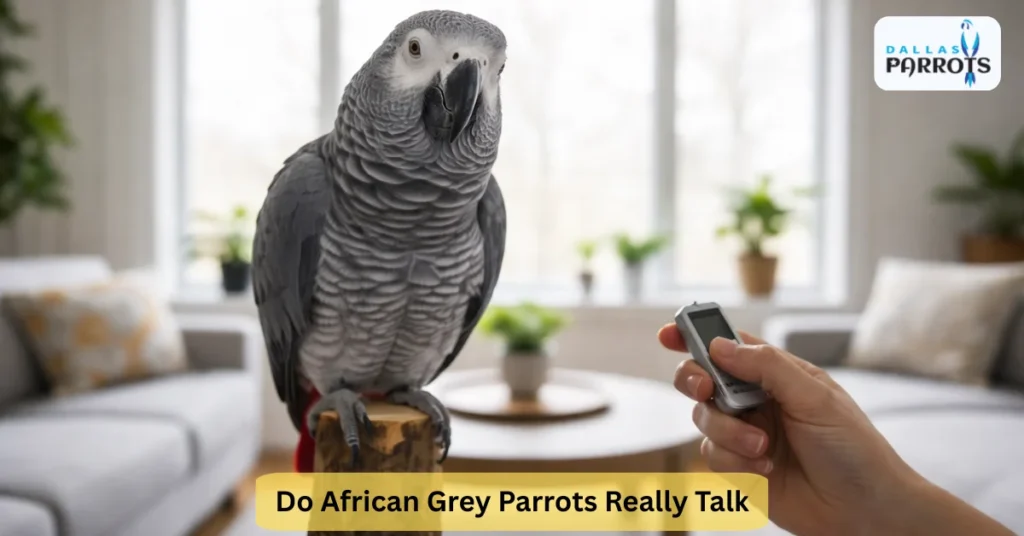
Grey parrots really talk ranks as one of the most asked questions when people meet these birds or hear stories about them. African grey parrots stand out among all parrots for their clear human speech and human language skills that often sound thoughtful and timed right. Parrots talk in many homes but african grey frequently use words in ways that feel meaningful not just random repeats.
Irene pepperberg spent decades studying Alex and proved these birds can reach impressive levels of vocal prowess and parrot cognition. African grey stay talkative vocal learners and quick to imitate so they pick up human sounds and words mean something when owners speak often around them.
Do African Grey Parrots Really Talk Your Playful Lifelong Companion Awaits at Dallas
Do African Grey Parrots Really Talk
Do african grey parrots really talk stands out as one question many people ask when they hear about these birds. African grey parrots rank among the best talkers in the parrot world with clear human speech and human language skills that surprise owners. Parrots talk often but african grey go further by using words in ways that seem thoughtful.
Irene pepperberg spent years studying one famous bird named Alex who showed impressive vocalization and word use. This guide looks at how african grey pick up talking what separates real talking from simple copying and the intelligence level behind their skills. African grey parrot owners often notice their birds become talkative companions that surprise with human sounds and timing.
How African Greys Learn to Talk
African grey parrots learn to talk through listening and practice like young children pick up words. Vocal learners from birth these birds pay close attention to sounds around them especially human words repeated often. Parrots understand context when owners say hello goodbye or names in everyday moments. Social interaction helps most because african grey live as social animals and learn from flock members or family.
Pepperberg showed how social context matters when she worked with Alex who learned labels for objects colors shapes and numbers. Parrots know when to use words because they hear them tied to actions or feelings. African grey parrot often start with whistles then move to human sounds and clear words mean something useful. Avian vocal skills let them imitate and copy human speech with practice. Parrot owners who talk a lot and repeat phrases see their birds start speaking sooner.
Difference Between Talking and Mimicking
Difference between talking and mimicking shows what makes african grey special. Many parrots simply mimick sounds they hear like wild parrots copy flock calls or mynah birds repeat noises. Parrots don’t always know what words mean they just copy. African grey go beyond that with actual understanding and use of language. Alex could identify 50 objects seven colors five shapes and numbers up to six.
He asked questions used words in correct context and grasped the concept of zero. Pepperberg said Alex showed level of understanding that went past pure imitation. Parrots use their vocal prowess to share information not just repeat. Parrot says hello when someone enters or sorry after a mistake because the bird connects sound to meaning. Parrots understand more than they show but african grey prove parrot cognition reaches high levels. Parrots know words carry meaning when used right.
Intelligence Level of African Grey Parrots
Intelligence level of african grey parrots ranks them among the smartest parrot species. Parrot cognition studies show these birds match young children in some tasks. Dr pepperberg using Alex proved african grey grasp concepts like same different bigger smaller and even absence. African grey parrot recognise shapes colors materials and count small numbers. Parrots understand categories and use words to label things correctly.
Vocal prowess lets them produce human speech but intelligence lets them apply it. Among other parrots african grey stand out for problem solving and learning speed. Parrots are known for vocal learning but african grey use it with real thought. Companion animals like these birds form deep bonds and show conversational skills in the human household. Great talkers with strong cognition african grey often surprise owners with how much they grasp. May never speak like humans but their talking ability and use words in context make them stand out as truly remarkable.
Why African Grey Parrots Are the Best Talkers
African grey parrots stand out as the best talkers among all parrots. These birds go beyond simple copying and show real skill with human speech and human language. Parrots talk often but african grey use words with meaning and timing that surprise people. Irene pepperberg spent years studying Alex and showed how african grey parrot reach high levels of vocal prowess.
Parrots understand context and apply words in ways other parrots rarely do. African grey stay talkative and vocal learners so they pick up human sounds fast and use them right. Many pet parrots mimic but african grey often seem like they think about what they say. This guide explains why their brain structure cognitive ability emotional intelligence and memory make them top talkers plus real examples of what they say.
Brain Structure and Cognitive Ability
Brain structure in african grey parrots supports strong cognition and parrot cognition. These birds have large brain areas tied to vocal learning and problem solving like areas in young humans. Avian studies show african grey process sounds and meanings deeply. Parrot cognition lets them recognise patterns and link words mean to objects actions or feelings.
Pepperberg using Alex proved african grey grasp concepts like same different bigger smaller and even absence. Parrots know when to use words because their brains handle use of language well. African grey parrot rank high among parrot species for thinking and learning speed. Smartest parrot title often goes to them because cognition helps them imitate and apply human words with purpose.
Emotional Intelligence
Emotional intelligence sets african grey parrots apart in parrot language. These social animals read moods and react to feelings around them. Parrots use their vocal prowess to share important information like greetings warnings or comfort. African grey notice when owners feel happy sad or upset and respond with soft words or whistles.
Parrot says sorry after a mistake or hello when someone enters because the bird ties sound to emotion. Social context matters so african grey learn words that fit situations. Companion animals like these birds form deep bonds and use vocalization to connect. Emotional intelligence helps african grey become conversational and show care through human sounds. This skill makes them feel like true friends not just mimics.
Memory and Word Retention
Memory and word retention shine in african grey parrots. These birds hold onto words phrases and sounds for years even if not used often. Alex could remember 50 objects seven colors five shapes and numbers up to six plus concept of zero. Parrots know words long after learning because vocal learning pairs with strong recall. African grey repeat sounds correctly years later and add new ones easily.
Parrot owners often hear old phrases pop up unexpectedly. Memory lets african grey build big vocabularies and use words in fresh ways. Pepperberg said Alex showed level of understanding that tied memory to meaning. Parrots understand and use words because strong retention keeps everything clear and ready.
Real Examples of Talking African Greys
Real examples of talking african grey parrots show how these birds use human speech in everyday life. Many pet parrots learn words but african grey often speak in full sentences with clear purpose. Owners share stories of birds greeting family asking questions or commenting on events. Parrots talk with timing and tone that feel natural. These cases prove african grey go beyond mimicry.
Famous Talking African Grey Parrots
Famous talking african grey parrots include Alex studied by Irene pepperberg. Alex learned labels for objects colors shapes and numbers and used them in correct context. He asked what color he was and grasped absence. Another famous bird Einstein at a zoo greets visitors with phrases and songs.
Many parrot owners share videos of their african grey saying full sentences like want nut or hello pretty bird. Alex could count identify materials and show concept of zero. These birds prove african grey reach high talking ability and use human language thoughtfully.
Common Words and Phrases They Learn
Common words and phrases african grey parrots learn include hello goodbye thank you please sorry and names of family members. Many say want nut want water or come here with clear meaning. Parrot says I love you good morning or night night at right times. Quaker or conure mimic too but african grey often add whistles laughs or household sounds.
Parrots use their vocal prowess for greetings questions or comfort words like okay or be right back. Human words like what or where show curiosity. Parrots know when to say them because social context guides use. These phrases become part of daily life with owners.
Contextual Speech Examples
Contextual speech examples highlight african grey skill. A bird says hello when someone walks in or goodbye when they leave. One african grey says ouch after dropping a toy or sorry after nipping. Parrot says want outside when near a door or all done after eating. Alex could answer what color or what shape questions correctly.
Another bird comforts a sad owner with soft words or gentle whistles. Parrots understand situations so words fit the moment. Parrot language shows up in conversational exchanges where the bird responds to owner talk. Social interaction teaches correct context so african grey speak with real purpose.
How to Teach an African Grey to Talk
African grey parrots rank among the top parrots that learn to talk with clear human speech and human language. Many pet parrots mimic sounds but african grey often use words with real meaning because of their strong vocal learning and cognition. Parrots talk when owners repeat words in context and reward efforts. Irene pepperberg showed through Alex how african grey parrot can grasp use of language beyond simple copying.
Teaching your african grey to talk takes patience daily practice and the right approach. This guide covers the best age to start repetition techniques positive reinforcement methods and key factors like social interaction daily environment diet and health that shape talking ability.
Best Age to Start Training
The best age to start training an african grey parrot to talk falls between six months and two years when the bird shows peak learning speed. Young african grey pick up human sounds and human words faster than older birds because their vocal learning stays most flexible early on.
Parrots understand context better as they mature so start simple words like hello or your name when the bird feels settled. Parrot owners see quicker results with birds under three years though older ones still learn with steady effort. Begin with calm clear repetition in a quiet setting so the bird focuses. Early start builds strong memory and word retention and makes talkative habits easier to form.
Repetition Techniques
Repetition techniques form the core of teaching african grey parrots to talk. Say the same word or phrase clearly every day in the same situation like hello when you enter or good morning at sunrise. Parrots understand through hearing words tied to actions so repeat hello while waving or step up during handling.
African grey imitate sounds they hear most often so talk directly to the bird face to face. Use short clear phrases without background noise. Parrot cognition helps them link sound to meaning over time. Vocal learners like african grey repeat what stands out so stay consistent and patient. Daily repetition in social context turns simple copying into real use of language.
Positive Reinforcement Methods
Positive reinforcement methods speed up learning for african grey parrots. Reward every attempt at a word with praise a favorite treat or attention right away. When the bird makes a sound close to your word say good and give a treat instantly. Parrots know effort pays off so they try harder. Pepperberg used rewards to teach Alex labels and concepts.
Positive reinforcement builds trust and makes talking fun. Avoid punishment because it causes fear and stops progress. Gentle praise and small rewards encourage african grey to use words more often and in correct context. Consistent rewards turn quiet birds into talkative ones that speak clearly.
Factors That Affect Talking Ability
Factors that affect talking ability in african grey parrots decide how clearly and often they speak. Vocal prowess stays high in these birds but environment health and interaction shape results. Parrots understand and use human language best when conditions stay right. Parrot owners see big differences based on these elements.
Social Interaction
Social interaction boosts talking ability in african grey parrots. These social animals learn from people they bond with so daily face to face talk matters most. Birds that hear words in conversational settings pick up meaning faster. Parrots use their vocal prowess to share feelings or needs when they feel connected.
Lonely birds talk less or repeat random sounds. Spend time chatting reading aloud or narrating your day so the african grey hears words in real use. Social context teaches timing and purpose. Strong bonds make african grey more talkative and willing to speak human language.
Cages Daily Environment
Daily environment shapes how well african grey parrots learn to talk. Quiet calm spaces help focus on human words while constant noise drowns out practice. A stable routine with regular out of cage time and family chatter encourages mimicry.
Parrots know words better when they hear them tied to daily events like feeding or greetings. Stressful homes with loud tv arguments or sudden changes slow learning. African grey thrive in peaceful settings with social interaction and enrichment. A supportive environment lets vocal learning shine so words come clearer and more often.
Diet and Health
Diet and health affect talking ability in african grey parrots. Good nutrition supports brain function and clear vocalization while poor food leads to low energy or dull speech. Feed pellet fresh fruit vegetable and limited nuts for vitamins that aid cognition. Health issues like respiratory problems or vitamin shortages quiet the bird or slur words.
Avian checkups catch problems early so the parrot stays strong. A healthy african grey has energy to practice and experiment with human sounds. Parrots understand and use words better when body and mind feel good. Solid diet and care keep your bird talkative and sharp.
Common Myths About Talking Parrots
Do african grey parrots really talk brings up many ideas that people believe but not all hold true. African grey parrots shine with human speech and human language skills yet myths cloud what they actually do. Parrots talk clearly in many homes but african grey often get overstated.
Irene pepperberg work with Alex showed real ability but not every claim matches facts. Parrots understand some things deeply yet myths make owners expect too much. This section clears up three common ones so you know what to expect from your african grey parrot.
All African Greys Can Talk
All african greys can talk stands as one big myth. While african grey parrots rank among the smartest parrot and great talkers not every bird speaks words. Some stay quiet or only whistle and mimic household sounds. Parrots don’t all develop speech even with training because individual bird personality environment and early exposure play roles.
Parrots know sounds from their surroundings so a quiet home or less human talk limits chances. African grey show strong vocal learning but some prefer other vocalization like whistles or flock calls. Pet parrots vary widely so never assume every african grey will become talkative. Patience and daily interaction raise odds but no guarantee exists.
Talking Means Understanding
Talking means understanding ranks as another common myth. Many think african grey that say words fully grasp meaning like humans do. Parrots understand context better than most birds but talking often stays closer to skilled mimicry than deep thought. Alex could use words in correct context and show level of understanding yet even he did not reach full human like comprehension.
Parrots use their vocal prowess to repeat human words tied to situations but actually understanding stays limited. Parrot cognition helps link sound to action yet parrots know words through association not abstract reasoning. Pepperberg said Alex showed impressive skills but still fell short of true language. Talking impresses but does not equal full human level grasp.
Talking Equals Bonding
Talking equals bonding misleads many parrot owners. A talkative african grey that says hello or your name feels deeply connected yet speech alone does not measure bond strength. Some quiet african grey form the tightest bonds through gentle preening shared time and trust. Social animals like these birds bond through social interaction and routine not just words.
Parrots use their vocal prowess to share important feelings or needs but quiet birds show love through actions. Companion animals thrive on presence and care more than speech. A bird that rarely talks can stay just as bonded as one that chatters constantly. True bonding comes from consistent gentle time together not word count.
Signs Your African Grey Is About to Talk
Signs your african grey is about to talk appear before clear words come out. African grey parrots practice human sounds quietly at first so owners who watch closely catch these hints. Parrots understand they need to try sounds repeatedly. These early steps show the bird works on vocal learning and parrot language. Spotting them lets you encourage progress with praise and repetition.
Mumbling and Whispering
Mumbling and whispering often mark the start of talking in african grey parrots. The bird makes soft unclear sounds under its breath like quiet chatter or garbled words. Vocalization stays low and muffled almost like private practice. African grey test mouth movements and tones before speaking louder. Parrots know they experiment so listen for faint hello or name attempts. Mumbling grows clearer over weeks with daily human talk nearby. Gentle praise when you hear it encourages louder tries.
Practicing Sounds
Practicing sounds shows your african grey works hard on speech. The bird repeats whistles clicks or garbled phrases over and over often when alone or relaxed. Parrot cognition drives this repetition to perfect human words. African grey parrot mimic household noises first then shift to human speech. Listen for loops of the same sound or word attempt. Parrots understand practice improves clarity so they drill sounds daily. This stage lasts weeks or months before real words emerge. Encourage it by talking clearly nearby.
Increased Vocal Activity
Increased vocal activity signals talking nears. The african grey chatters more overall with varied tones whistles and attempts at human sounds. Quiet birds suddenly fill the room with noise as they experiment. Vocal prowess ramps up with more practice sessions. Parrots use their vocal prowess to test what fits so expect louder clearer tries. African grey often babble in social context when people talk or play nearby. This surge means the bird feels ready to form real words. Stay consistent with repetition and rewards to push it forward.
Contact US
If you have questions about do african grey parrots really talk how african greys learn to talk repetition techniques positive reinforcement methods factors that affect talking ability social interaction daily environment diet and health common myths about talking parrots signs your african grey is about to talk mumbling and whispering practicing sounds increased vocal activity.
why african grey parrots are the best talkers brain structure and cognitive ability emotional intelligence memory and word retention real examples of talking african greys famous talking african grey parrots common words and phrases they learn or contextual speech examples feel free to reach out.
- Address: 2608 Long Prairie Rd Suite 201 Flower Mound TX 75022
- Phone / WhatsApp: 469 706 0972
Conclusion
Do african grey parrots really talk gets answered clearly when you look at how these birds learn use and understand words. African grey parrots rank as the best talkers among parrots because their brain structure cognitive ability emotional intelligence and strong memory and word retention let them go far beyond simple copying.
Irene pepperberg work with Alex proved african grey can label objects grasp colors shapes numbers and even the concept of zero while using words in correct context. Parrots talk and parrots understand more than most think yet myths like all african greys can talk talking means understanding or talking equals bonding often mislead owners.
FACEBOOKFAQs
Can African Grey Parrot Talk?Yes African grey parrots can talk and they rank among the best talkers of all parrots. These birds learn to say many human words and phrases with clear voices. African grey often pick up dozens of words and use them in everyday situations. Parrots talk when they hear repeated sounds especially from people they bond with. African grey parrots stand out because they copy human speech accurately and sometimes apply words in context. Not every African grey talks but most do when raised around talking humans with patient repetition and encouragement.
Are the Talking Parrot Videos Real?
Most talking parrot videos are real especially those showing African grey parrots. These birds genuinely learn and say human words when owners repeat phrases daily. Videos of birds saying hello goodbye I love you or asking questions come from real training and interaction. Some videos get edited or sped up for effect but the birds do produce the sounds themselves. African grey vocal learning allows them to imitate clear speech. Fake or dubbed videos exist but the majority of popular ones feature actual talking birds trained over time.
Which Parrot Has the Highest IQ?
African grey parrots usually rank with the highest IQ among parrot species. Studies show their cognition and problem solving skills match young children in some tasks. Irene pepperberg work with Alex proved African grey understand concepts like same different bigger smaller colors shapes and numbers. African grey show strong parrot cognition vocal learning and use of language. Other smart parrots include kea and African grey often top the list for reasoning and word use. No single bird has the absolute highest IQ but African grey consistently score highest in tests of intelligence and understanding.
Do African Grey Parrots Actually Know What They Are Saying?
African grey parrots know what some words mean to a certain degree but not like humans do. They associate sounds with objects actions or situations through repetition and rewards. Alex from Irene pepperberg studies used words in correct context asked questions and showed understanding of absence. Parrots understand context for many words but their grasp stays based on association not full abstract thought. African grey use words purposefully in many cases yet talking combines skilled mimicry with partial meaning. Parrots know enough to communicate needs or respond but true deep comprehension like human language remains limited.
Are African Greys Self Aware?
African greys show some signs of self awareness but not full like humans. They recognise themselves in mirrors in some tests and use words to label their own body parts. Alex identified his own color and asked what he was. Parrot cognition includes self recognition in certain situations and awareness of their actions. African grey understand their place in social groups and show emotions tied to self. Full self awareness with deep reflection stays debated but African grey display higher self related skills than most parrots. They know who they are in basic ways through observation and vocal learning.
What Is the Most Talkative Parrot?
African grey parrots rank as the most talkative parrot species overall. These birds build large vocabularies often 100 words or more and use them in context. African grey talkative nature comes from strong vocal learning memory and social interaction. Other talkative birds include Amazon parrots and some conure but African grey consistently lead with clarity and quantity. Parrots talk best when surrounded by human speech daily. African grey stand out for both volume of words and meaningful use.
Are the Parrot Videos on Facebook Real?
Most parrot videos on Facebook showing talking or tricks stay real especially with African grey or Amazon parrots. These birds genuinely learn human words and phrases through repetition and interaction. Videos of birds saying hello I love you or answering questions come from actual training. Some clips get edited for humor or timing but the birds produce the sounds themselves. Fake dubbed videos exist but popular ones from owners usually show true abilities. African grey vocal learning makes realistic talking videos common on social media.
Can Parrots Who Speak Actually Understand People?
Parrots who speak understand some things people say but not full conversations like humans. African grey link words to objects actions or emotions through training and repetition. Alex answered questions identified items and showed concept of zero. Parrots understand context for greetings needs or simple commands. Parrot cognition helps them respond correctly but deep abstract understanding stays limited. Parrots know words through association not complete language. African grey grasp more than most but talking combines mimicry with partial meaning not full comprehension.
At What Age Does an African Grey Start Talking?
African grey parrots usually start talking between one and three years old with many beginning around 12 to 18 months. Some say first words as early as six months while others wait until age two or later. Vocal learning peaks in young birds so early exposure to clear speech helps. Parrots understand words better as they mature. African grey learn faster when young but older ones still pick up new words with practice. Start talking to your bird early repeat phrases often and reward attempts for best results.