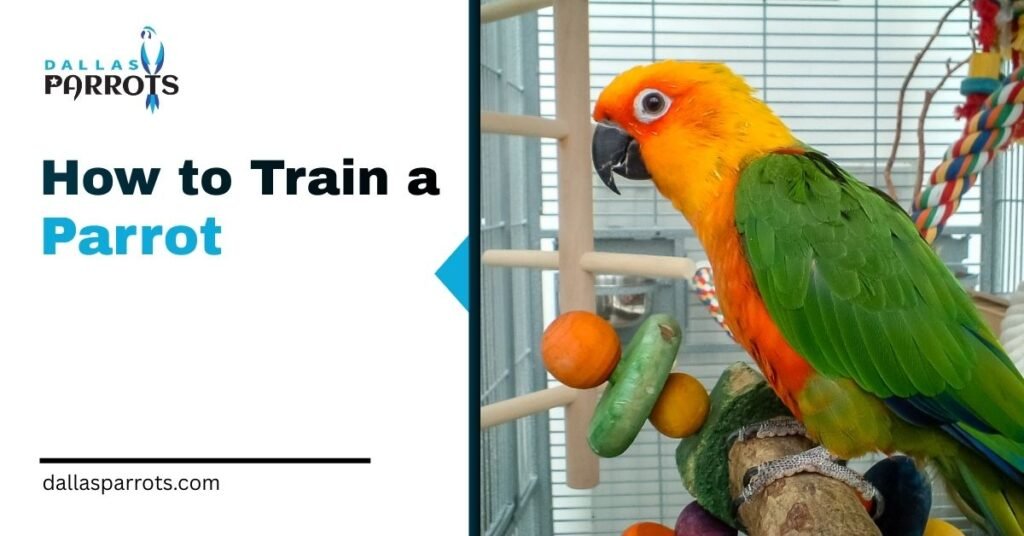
How to Train a Parrot: The Complete Guide Most Owners Never Read
Most people bring home a new parrot and start training the next day without knowing what they are actually getting into. Parrot training is not like training a dog and the owners who figure that out early are the ones who end up with a bird that is calm responsive and genuinely enjoyable to live with. This blog covers everything from parrot training basics and parrot clicker training to parrot step up training and parrot talking training tips. Whether you have a cockatiel a macaw a conure or an African grey the same core rules apply. Get the foundation right and every parrot will learn faster than you ever expected.
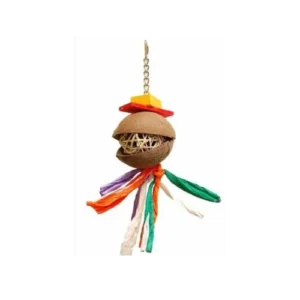
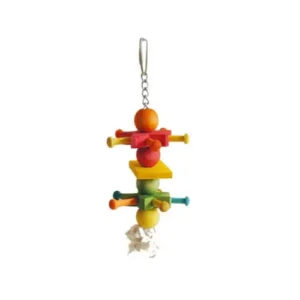
Tools That Make Parrot Training Faster and Easier
-
 Rated 0 out of 5Out of stockView More
$12.75Original price was: $12.75.$9.75Current price is: $9.75.
The Mistake That Ruins Parrot Training Before It Even Starts
Most parrot owners reach inside the cage on day one and expect the bird to cooperate. That is the mistake. Rushing into parrot training without giving your bird time to feel safe turns every session into a stressful experience. A stressed parrot does not learn and once your bird connects training with fear it takes weeks to undo that damage.
Why Your Parrot’s Brain Works Differently Than a Dog’s
A dog is a predator wired to follow a leader. A parrot is a prey species that lives with the constant awareness that something bigger could attack at any moment. That instinct does not disappear at home. When you move too fast or force contact the bird does not see a friendly parrot owner. It sees a threat. This is why training methods that work on dogs will scare the bird and make parrot taming feel impossible. Pepperberg spent years with the African grey and her work proved that every bird responds to trust far better than pressure.
Signs Your Parrot Is Not Ready to Train Yet
Watch your bird before every training session. If it moves away when you approach the cage or refuses to take a treat through the bars it is not ready. A scared bird flattens its feathers and presses into the corner of the new cage. If your new parrot is fluffed up or breathing fast then starting a training program now will make things worse. Young birds and baby bird arrivals need days just to settle into the new cage before early training can begin.
Building Real Trust The Foundation Everything Else Rests On
Every parrot owner wants to jump straight to tricks but none of that works without trust first. Trust is what makes a parrot feel safe enough to try new things and without it every training session turns into a battle. Parrot bonding exercises are not extra steps. They are the foundation. When your bird starts coming close on its own that is when real progress begins.
The 7 Day Trust Protocol Before Any Training Begins
Days one to three keep it simple. Sit near the cage and talk softly without trying to touch the bird or open the cage door. Just let your new parrot get used to your voice and your presence. On day four start offering a favorite treat through the bars and let the bird come to you. If it takes the treat that is a real win. Days five and six repeat the same thing but hold the treat a little longer each time. By day seven most birds stay calm when you slowly approach and open the cage door without moving away. This parrot patience training builds the base that makes every future session easier.
How to Read Your Parrot’s Body Language
A parrot tells you everything without a sound. Pinning eyes mean excitement or agitation. Fluffed feathers mean stress or illness. Feathers held tight against the body mean the bird is scared. A relaxed parrot grinds its beak softly and holds its feathers loose. Tail wagging after an interaction means the bird enjoyed it. Head down and leaning toward you means it wants to be touched. When it moves away or turns its back the session is done. Reading these signals during every interaction helps you train your parrot without pushing it too far.
Positive Reinforcement The Only Method That Actually Works
Parrot positive reinforcement is simple. You reward the parrot the moment it does what you want and the bird starts connecting that behavior with something good. Over time it repeats the behavior because it wants the reward. No force. No punishment. Just clear communication through rewards. Every other training method either confuses the bird or damages the trust you worked hard to build. Operant conditioning is the science behind it and every professional who works with companion parrots uses this same approach.
What Counts as a Reward for Your Parrot (It’s Not Always Food)
Food is the most common reward in parrot training but it is not the only one. Some birds care more about attention than treats. A head scratch at the right moment can work just as well as a piece of fruit. Other parrots get excited about a favorite toy or a chance to fly free for a few minutes. The key is finding what your specific bird actually wants. A cockatoo might stop everything for physical affection while a conure might only care about food. Watch what makes your bird light up and use that as your reward during every training session.
How to Find Your Parrot’s High Value Treat
Not every treat lands the same way. Your parrot might take a seed calmly but go completely alert for a small piece of almond or banana. That reaction is what you are looking for. Offer different foods one at a time during a calm moment outside of any training session and watch how the bird responds. The treat that makes it move faster and stay focused is the high value treat. Save that specific treat only for training. When the bird knows that treat only appears during training sessions it will show up ready to work every single time.
How to Train Different Parrots Based on Their Species
Not every parrot learns the same way. A macaw does not respond like a cockatiel and a cockatoo needs a completely different approach than a conure. Knowing your bird type before you start any training session saves time and builds a better relationship from the beginning.
African Grey
The African grey is one of the most intelligent companion parrots alive and Pepperberg proved that this grey parrot connects words to real meaning over time. Keep every training session short and distraction free. Use a target stick for basic movements and immediately reward the parrot the moment it responds correctly. African greys get bored fast so change the routine slightly each day to keep the bird engaged.
Macaw
A macaw is large loud and full of energy. Start parrot taming early and keep every interaction positive. Use a thick dowel or perch to practice step up training because a macaw beak is powerful. Hold the treat slightly above eye level so the bird steps up onto your hand naturally. Macaws love social attention so praise and head scratches work just as well as food rewards during a training session.
Cockatoo
A cockatoo bonds deeply with its companion parrot owner and gets upset when pushed too hard. Never scare the bird by moving fast or raising your voice. Slowly approach the cage and let the cockatoo decide when it wants to engage. Use positive reinforcement with a favorite treat and click the moment the desired behavior happens. Once a cockatoo trusts you fully it responds very well to clicker training.
Cockatiel
The cockatiel is great for any new parrot owner because it is gentle and learns basic training quickly. Start with parrot bonding exercises and sit near the cage daily until the bird stops moving away. Then begin target training by offering a treat through the bars. When the cockatiel feels comfortable let it step onto your hand inside the cage first before trying outside. A hand fed baby bird cockatiel can learn step up training within just a few days.
Conure
A conure is playful and curious but loses focus fast. Keep every training session to five minutes maximum. Use clicker training to mark the exact moment the bird does the right thing and immediately reward it with a favorite treat. Green cheek conures and Indian ringneck parrots share this short attention span so the faster you reward the parrot the better the result. Conures also pick up parrot recall training quickly once the basics are solid.
Quaker Parrot
The Quaker parrot is confident and not easily scared which makes early training smooth. It approaches new objects with curiosity rather than fear. Introduce a target stick and let the Quaker touch it on its own then reward it right away. Quakers learn step up commands quickly and enjoy flight training once basic parrot training is done. Because they are very food motivated finding the high value treat is easy and that treat carries the whole training program.
Budgerigar (Parakeet)
A budgerigar is small but capable of learning more than most people expect. Sit near the new cage daily until the bird feels comfortable with your presence. Then offer a treat through the bars each day. When it stops moving away reach inside and hold the treat in your open hand. Once the parakeet steps onto your hand to reach the treat your basic training has begun. Young birds pick up parrot talking training fast and with daily repetition a budgerigar can learn short words and phrases in a short time.
Caique
The caique is the most energetic bird you will train and that energy makes every training session unpredictable. Work in a small space with no distractions and use a very high value treat to keep its attention. Click and reward the parrot the second it does the right thing because a caique will not wait. Keep sessions very short and always end on a positive moment. Once a caique trusts you it learns new tricks faster than almost any other bird its size.
The Step by Step Training Sequence in the Exact Right Order
Every parrot owner wants results fast but skipping steps is what slows everything down. There is a correct order to parrot training and when you follow it every new skill builds on the last one. Rush the sequence and the bird gets confused. Follow it and the parrot will learn faster than you expected.
Stage 1 Clicker Conditioning
Before you teach anything you need the bird to understand what the clicker means. The click noise on its own means nothing to a parrot at first. You have to pair it with a reward. parrot training clicker Do this ten to fifteen times in a row during a short session. After a few sessions the parrot will begin to understand that the click noise always means something good is coming. Once that connection is made the clicker becomes your most powerful training tool because you can now mark the exact moment the desired behavior happens from anywhere in the room.
Stage 2 Target Training The Master Skill
Target training is the most important type of training you will teach your parrot and every other skill builds on top of it.target stick The moment it touches the stick with its beak click and immediately reward. Move the stick to a slightly different position and repeat. Over time the parrot will begin following the target stick wherever you move it. This gives you a way to guide the bird onto a perch onto your hand or back into the cage without any force. Target training works on every parrot from a small parakeet to a large macaw and it makes every future training session smoother and faster.
Stage 3 Step Up Command Done Right
The step up command is one of the most useful skills in parrot ownership and it starts with patience not force. Hold your hand or a dowel just below the bird at chest level. Say step up in a calm clear voice and hold the treat just far enough that the bird has to step onto your hand to reach the treat. The moment it steps up onto your hand click and reward right away. Never push your hand into the bird or try to scoop it up. If the bird steps back or moves away give it a moment and try again. Teach the step up inside the cage first where the parrot already feels safe then slowly move to practicing outside. A parrot stepping up willingly is a parrot that trusts you.
Stage 4 Returning to the Cage Without a Fight
Most companion parrot owners struggle with this part more than anything else. The bird is out having fun and going back into the cage feels like a punishment. The fix is simple. Never make going back into the cage a negative experience. Use the target stick to guide the parrot back in and the moment all four feet are inside the cage give it the highest value treat you have. Do this every single time. Over time the parrot will begin walking back into the cage on its own because it knows something good is waiting inside. Open the cage door calmly and let the training do the work.
Teaching Your Parrot to Talk Realistic Expectations
Not every parrot will talk and not every parrot that talks will do it on your timeline. Parrot talking training tips only work when you set the right expectations from the start. Some birds pick up words in weeks and others take months. The species matters a lot and so does how much time you put in daily.
The Difference Between Mimicking and Understanding
Most parrots mimic sounds without attaching any meaning to them. They hear something often enough and they repeat it. That is mimicking. A grey parrot like the African grey can go further than that. Pepperberg showed that a grey parrot can connect words to real objects and situations over time. But even with intelligent birds the parrot will begin with pure repetition before anything deeper develops. Do not expect meaning early. Reward the parrot every time it attempts a word and the real learning will follow.
The Daily 5 Minute Speech Routine That Actually Works
Pick one word or short phrase and say it clearly to your bird at the same time every day. Morning works best because the bird is alert and fresh. Say the word and if the bird attempts it even slightly immediately reward it. Do not run through ten different words in one session. One word repeated clearly for five minutes every day gets results faster than an hour of random talking. Young birds and baby bird arrivals pick up speech faster so start early and stay consistent. Over time the parrot will begin using the word in the right moment and that is when parrot talking training starts feeling real.
When Training Goes Wrong Honest Troubleshooting
Even with the right training methods things go wrong sometimes. A bird that was making progress suddenly stops. A parrot that seemed calm starts biting. These moments do not mean you failed. They mean the bird is telling you something. The key is to read the situation honestly and adjust instead of pushing harder.
My Parrot Bites Every Time I Try to Train
A parrot bites during training for one reason. It feels unsafe. The training session is moving too fast or the bird is being pushed past its limit. Stop trying to train through the biting. Pull back completely and return to basic parrot bonding exercises for a few days. Let the bird take a treat from your hand through the bars again and rebuild the comfort from scratch. Never punish a bite. The bird is not being difficult. It is communicating and your job as a parrot owner is to listen. When the biting stops on its own the trust is coming back.
My Parrot Was Doing Great Then Suddenly Stopped
This happens to every parrot owner at some point. The bird was nailing every session and then one day it acts like it never learned anything. This is normal. Parrots go through phases where they test boundaries or simply lose interest for a while. Check if anything changed in the environment. A new cage position new objects in the room or a change in routine can all affect a bird. Go back one stage in the training sequence and make it easy for the bird to win again. Short sessions with high value treats and zero pressure will bring it back faster than any other fix.
Why Dallas Parrots Is the Right Place to Start Your Training Journey
When you want to train your parrot the right way everything starts with getting a bird that is already comfortable around people. Dallas Parrots is a family owned aviary based in Dallas Texas and every bird they raise is hand fed and handled from a very young age. A bird that already feels safe around humans is far easier to train than one that was never touched before. Dallas Parrots carries African grey parrots cockatoos conures cockatiels Quaker parrots macaws and more so you can find the right companion parrot that matches your lifestyle and training goals.
Benefits
- Every bird is hand fed and socialized from birth making early training much smoother
- Wide range of species available so you find the right match for your experience level
- Expert staff guide every new parrot owner on behavior and basic training before the bird leaves the store
- Birds are raised in a clean and healthy aviary environment which means less stress for your new parrot
- Grooming and boarding services available so your bird is cared for even when you are away
- Parrot Academy events and education resources help every companion parrot owner train with confidence
- Five star reviews from real customers show the trust people place in Dallas Parrots every day
Contact Us
Ready to bring home a bird that is already one step ahead in training? Visit Dallas Parrots in Dallas Texas or reach out to the team directly. You can call at 469 706 0972 or visit dallasparrots.com to see available birds shop products and book grooming services. The staff is always happy to help you find the right bird and answer any question about parrot training or parrot ownership before and after your purchase.
Conclusion
Learning how to train a parrot takes time but it is one of the most rewarding things a parrot owner can do. Start with trust. Use positive reinforcement in every training session. Follow the correct sequence and match your training methods to your specific bird. Whether you have a cockatiel or a macaw the process is the same. Be patient stay consistent and always end on a good moment. The parrot will learn faster than you think and the bond you build through training will last the entire life of your bird.
Frequently Asked Questions
How long does it take to train a parrot?
There is no fixed timeline because every parrot learns at its own pace. A hand fed baby bird that already trusts humans can pick up basic commands in a few weeks. An older or newly adopted parrot may take several months before it feels comfortable enough to respond to training consistently.
Can all parrots learn to talk?
Not every parrot will talk no matter how much time you put in. Species like the African grey and Indian ringneck have a much higher chance of developing speech than others. A budgerigar can also learn words but a cockatoo or caique may never say a single word even with daily parrot talking training.
What is the best age to start training a parrot?
Young birds respond to training faster than older ones because they are still forming habits and have not developed fear responses yet. Starting early training with a baby bird gives you a big advantage. That said older parrots can absolutely be trained as long as you take the time to build trust before anything else.
Is clicker training really necessary for parrots?
Clicker training is not required but it makes the whole process much cleaner and faster. The click noise marks the exact moment the bird does the right thing which removes confusion. Without a clicker you have to rely on timing your treat perfectly every single time and that is harder to do consistently across a long training session.
Why does my parrot scream during training sessions?
Screaming during a training session usually means the bird is overstimulated or frustrated. It may also be asking for attention rather than actually engaging with the training. The best response is to pause the session calmly and wait for the bird to settle before continuing. Never reward screaming by giving the bird what it wants right after it happens.
Can I train a parrot without using food treats?
Yes but it depends on your specific bird. Some parrots respond just as well to praise, head scratches or a chance to fly free as they do to food. The key is finding what your bird values most and using that consistently as the reward. Food just happens to work for most birds because it is easy to control and quick to deliver during a training session.
How many training sessions should I do per day?
Two short sessions per day is the sweet spot for most parrots. Each session should be five to ten minutes long at most. More than that and the bird loses interest or gets tired and the training stops being productive. Keeping sessions short and ending on a positive moment every time is what builds real progress over weeks and months.
My parrot was tame before but now it bites me. What happened?
A parrot that suddenly starts biting after being tame is usually going through a hormonal phase or reacting to a change in its environment. New objects, a moved cage or changes in your daily routine can all trigger this shift in behavior. Go back to basic parrot bonding exercises and rebuild the comfort level slowly. Do not force interaction and let the bird set the pace again.
Should I train my parrot inside or outside the cage?
Always start training inside the cage or right at the cage door where the bird already feels safe. Moving too far outside the cage too early puts the bird in an unfamiliar situation and makes learning harder. Once the parrot is consistently stepping up and responding to basic commands inside the cage you can slowly move sessions to other areas of the room.
Do parrots remember their training if you stop for a while?
Parrots have strong long term memory and most birds hold onto trained behaviors even after a gap of weeks or months. When you return to training after a break start with the easiest commands first to warm the bird back up. Within a few short sessions most parrots come back to their previous level and sometimes pick things up even faster the second time around.