Rainbow Lorikeet Lifespan, Diet, Care and Behavior Guide
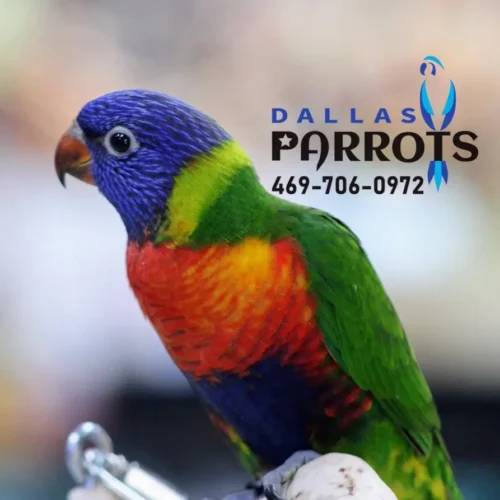
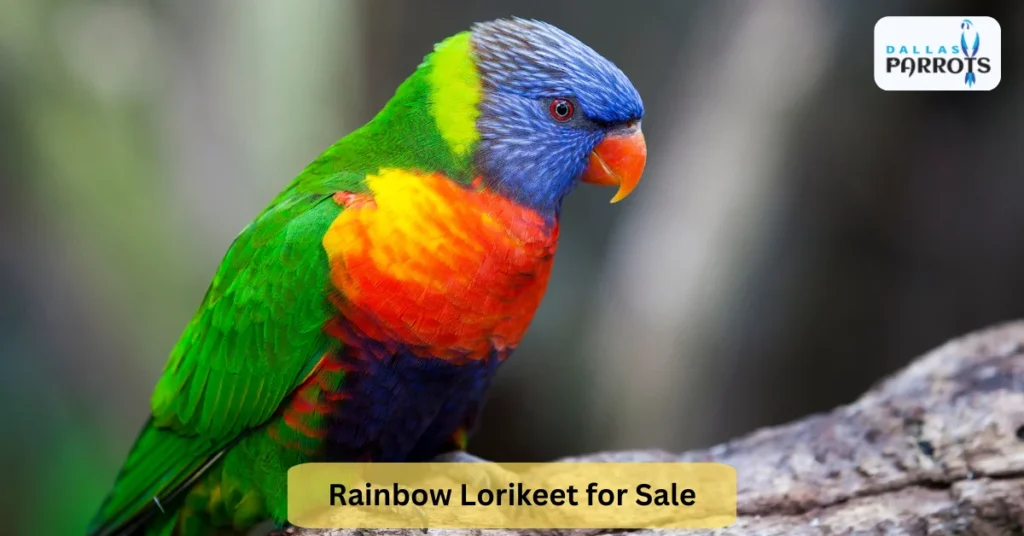
Rainbow Lorikeet delights visitors at dallasparrots.com with its vibrant bright red chest deep blue head and lush green wings tail and back creating a living rainbow. This trichoglossus moluccanus or colorful lorikeet brings endless energy as an australian rainbow parrot straight from coastal regions and urban areas. Our family aviary offers rainbow lory for sale birds raised with dedicated lorikeet care to ensure healthy and social companions. Known for joining loud and fast moving flocks these rainbow lorikeets fill spaces with cheerful calls and quick flights. Contact us today to welcome this stunning pet bird home with free shipping on qualifying orders and special deals available now. Your rainbow lorikeet will arrive safely ready to become a beloved part of your family with its playful spirit and dazzling plumage.
Rainbow Lorikeet Your Playful Lifelong Companion Awaits at Dallas Parrots
Welcome a burst of tropical color with our hand-raised Rainbow Lorikeet Baby a playful and intelligent parrot bursting with vibrant reds, blues, greens, and yellows. This affectionate and vocal parrot fills your home with cheerful chirps, acrobatic antics, and endless energy. Perfect for experienced owners seeking a lively active parrot companion full of personality.
$2,450.00Original price was: $2,450.00.$1,850.00Current price is: $1,850.00.Read more
Average Lifespan of Rainbow Lorikeet
Wild rainbow lorikeets face daily risks in coastal regions or urban areas limiting time. Strong ones reach higher ages through safe flock protection and abundant food sources. Health and habitat quality shape outcomes for this active bird species.
Average Lifespan of a Rainbow Lorikeet
A typical rainbow lorikeet enjoys 10 to 20 years in nature with many hitting the upper range. Captive birds often extend to 25 or 30 years away from threats. Records show some passing 30 under excellent conditions matching their energetic ways.
Baby to Adult Growth Stages
Eggs hatch in a hollow limb after the female incubates for about 25 days. Chicks start blind and naked relying on parents to feed the young soft foods. Down covers them soon with dull feathers emerging. By seven weeks flight feathers allow short hops from the nest. Juveniles show muted colors like black beak turning orange over months. Full vibrant plumage appears by one year ready for independence.
Factors That Influence Their Lifespan
Habitat shifts reduce flowering trees for nectar and pollen causing stress. Diseases like psittacine beak and feather disease spread in dense groups. Competition in urban areas over bird feeders adds pressure. Pollution or capture affect wild stocks. In homes wrong feeds lead to issues shortening years.
How to Increase Their Longevity
Offer spacious aviary for flight keeping muscles strong. Use quality nectar mixes daily preventing deficiencies. Regular vet visits catch problems early. Clean setups stop bacteria growth. Social time with pairs or owners reduces loneliness boosting mood.
Natural Diet of the Rainbow Lorikeet
Wild rainbow lorikeets specialize in liquid foods using brush tongues. They sip nectar from blooms and harvest pollen for protein in rainforest or woodland. Soft fresh fruit supplements along with occasional insects. Diet consists mostly of nectar and pollen from native plants keeping energy high.
These birds favor sweet blooms for nectar in nature. Ripe fruits like mango or berries draw them quickly. In gardens they flock to honey water at bird feeders placed in gardens. Greens or soft veggies add variety they accept readily.
Daily Portion Guide
High metabolism needs frequent small meals. Morning offers fresh nectar mix about 1/4 cup. Midday includes chopped fresh fruit. Evening brings greens or supplements. Total around 100 150ml liquid daily adjusted for size.
Best Seeds Fruits & Nectar for Rainbow Lorikeets
Commercial nectar powders mixed fresh form the base. Safe fresh fruit includes apple pear grape or melon chopped small. Limited soft seeds avoid issues. Greens like spinach provide extras. Rotate native flowers when possible.
Foods You Should Never Feed Them
Certain items poison quickly including avocado or chocolate. Avoid caffeine alcohol onion or garlic. Skip salty foods or dairy causing upset. No hard seeds risking digestion problems. Bread or honey mixes lead to illness over time.
Rainbow Lorikeet Living Conditions in Captivity
Rainbow lorikeets adapt well as pet bird options but need setups that match their active life in coastal regions or urban areas. In the wild these trichoglossus moluccanus birds fly freely in loud and fast moving flocks across rainforest and woodland spots feeding on nectar and pollen from flowering trees. Captivity limits space so owners recreate flight room and stimulation. Lorikeet care focuses on hygiene since liquid diet consists of nectar leads to messy droppings. Rainbow lorikeet is a medium sized species of parrot with high energy needing outlets to avoid stress. Frequent visitors at bird feeders in gardens show their curiosity that carries to homes. Proper conditions support health and prevent issues like psittacine beak and feather disease. Rainbow lorikeets thrive in pairs or small groups but singles bond strongly with owners.
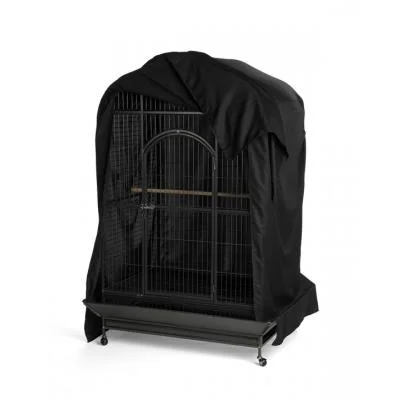
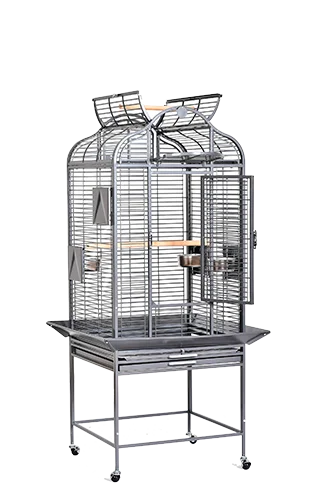
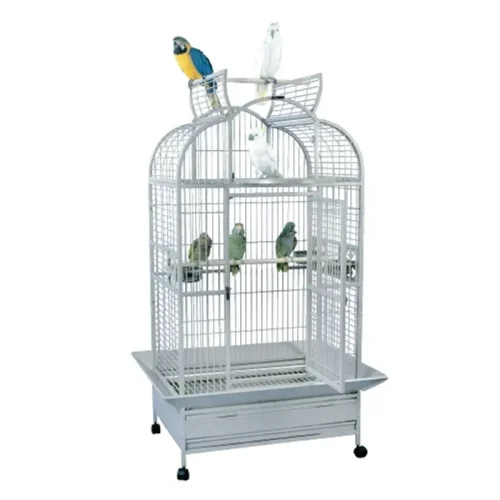
Rainbow lorikeets require large spaces for their quick movements. Minimum cage measures 4 feet wide by 3 feet deep and 4 feet tall for one or a pair. Wider horizontal room allows short flights between perches. Use strong bars to resist beak chewing. Place in bright family area for interaction but away from drafts or kitchen fumes. Include multiple feeding stations to mimic foraging in flowering trees. Outdoor aviary works best in mild climates with protection from cold or predators. Mesh fine enough prevents escape while allowing air flow.
Preferred Temperature & Humidity Levels
Keep rooms between 70 and 80 degrees Fahrenheit matching coastal origins in northern and eastern australia. Avoid drops below 65 degrees at night. Humidity around 50 to 70 percent suits their rainforest background. Use misters or shallow baths daily for comfort and plumage care. Good ventilation prevents respiratory problems common in enclosed spots. Monitor levels to avoid dry air causing skin issues.
Safe Perches Accessories & Nesting
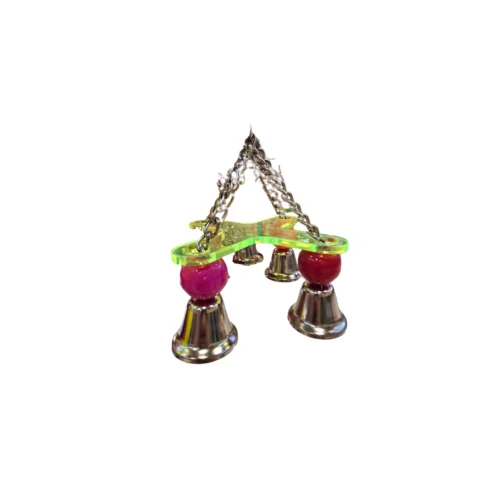
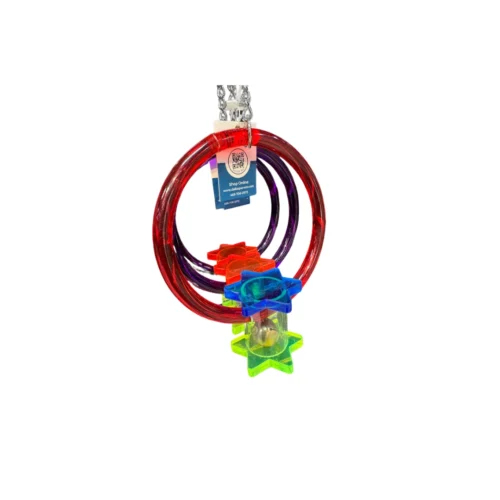
Natural wood branches vary in thickness for foot exercise and chewing since they explore like in woodland. Avoid dowels only for variety. Add ropes swings and ladders for play. Foraging toys hide fresh fruit encouraging natural search. Rotate items weekly. Most pets do not breed but pairs may use large box in quiet corner lined with safe wood shavings. Avoid plastic or toxic materials. Bells or mirrors add fun but limit to prevent obsession.
Keeping Their Cage Clean & Fresh
Liquid feeds create sticky waste so clean daily. Remove uneaten fresh fruit and wash dishes twice a day. Change paper liners often and spot wipe bars. Weekly deep clean with bird safe products rinsing well. Monthly disinfect perches away from birds. Fresh setup reduces bacteria and keeps plumage vibrant. Good habits prevent mess in foul outdoor areas like wild droppings but indoors. Consistent routine supports health for these lively parrot types from along the eastern seaboard.
Rainbow Lorikeet Social Behavior & Playtime
Rainbow lorikeets live highly social lives shaped by their wild habits in coastal regions and urban areas. These trichoglossus moluccanus birds form loud and fast moving flocks that are often seen in loud groups flying together or calling constantly. Rainbow lorikeets are known for strong group ties where they share roost sites in trees at night and forage during the day on nectar and pollen from flowering trees. Play involves chasing each other through branches or hanging upside down while feeding. In rainforest or woodland spots young learn from adults in the flock. As frequent visitors at bird feeders in gardens they show bold curiosity toward new things. Lorikeet care in homes must include company since isolation leads to loud calls or plucking. Rainbow lorikeet is a medium sized species of parrot with energy that spills into games and noise.
Active by nature rainbow lorikeets cover wide areas in northern and eastern australia searching food sources. Quick wings carry them in loud and fast moving flocks between flowering trees. Without room to fly captive birds gain weight or grow restless. Provide at least two to four hours outside the cage daily in a safe space for stretches and short bursts. Large aviary setups allow natural loops between perches. Exercise keeps muscles strong and burns energy from high sugar diet consists of nectar. Limited movement causes frustration shown through excessive screaming common in urban areas overlaps.
Enrichment for Mental Stimulation
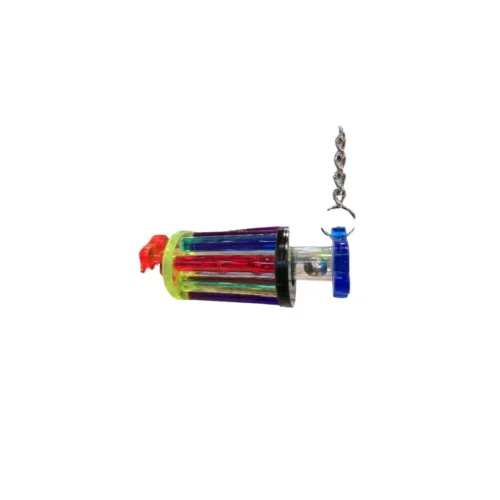
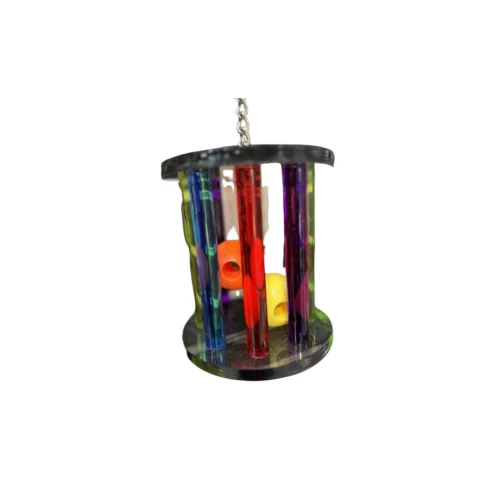
Curious minds need constant challenges matching their wild foraging on fresh fruit or pollen. Hide nectar mixes in puzzles or wrap treats in paper for unwrapping. Swing toys or mirrors encourage movement and reflection play. Rotate branches with leaves mimicking rainforest browsing. Foraging wheels dispense small rewards for effort. Bells or wind chimes add sound variety they enjoy in flock calls. Change items weekly to prevent habituation. These steps channel energy away from destructive habits on furniture.
Social Interaction & Pair Bonding
Rainbow lorikeets build strong connections in wild groups or pairs. Mates preen each other and share food while staying close during august to january breeding. Both parents feed the young in the hollow limb nest. Singles in homes often treat owners as flock mates seeking head scratches or shoulder rides. Daily talk and gentle touch strengthen ties. Pairs synchronize flights and calls defending shared space. Small groups work if introduced slowly watching for fights over bird feeders. Lack of company leads to depression or constant noise seeking attention.
Preventing Stress & Boredom
Signs of upset include feather plucking or loud repetitive calls beyond normal nuisance noise. Triggers involve small spaces routine lacks or isolation. Consistent schedule with meals and play reduces anxiety. Cover cage at night for rest mimicking roost sites. Avoid sudden changes or overcrowding. Provide hiding spots during adjustment. Watch for competition stress in multi bird setups. Positive rewards for calm behavior channel energy. Good hygiene prevents health worries adding to discomfort. Patience during hormonal shifts keeps peace. Calm setting lets natural joy shine through vibrant plumage and active play.
Preventive Health Care for Rainbow Lorikeets
Rainbow lorikeets stay strong with steady attention matching their active life in coastal regions or urban areas. As a trichoglossus moluccanus bird species preventive steps focus on diet hygiene and checks to avoid problems like psittacine beak and feather disease. Wild birds in rainforest or woodland face natural risks but captive ones benefit from protection. Lorikeet care includes watching for changes in plumage or behavior since loud and fast moving flocks hide issues in groups. Early action stops small concerns from growing especially with messy diet consists of nectar and pollen. Rainbow lorikeet is a medium sized parrot needing tailored plans for long health.
Common Health Issues
Rainbow lorikeets often deal with nutritional lacks from wrong feeds causing weak bones or dull colors. Psittacine beak and feather disease spreads easily leading to feather loss and beak problems. Respiratory infections arise from damp or dirty spots. Obesity comes from excess fresh fruit without flight. Parasites like mites irritate skin under vibrant plumage. Bacterial gut issues follow spoiled nectar. In urban areas pollution or car strikes affect ferals. Stress in singles shows as plucking or loud nuisance noise.
Signs of a Healthy Rainbow Lorikeet
A fit rainbow lorikeet moves quickly with shiny bright red chest deep blue head and green wings tail and back. Eyes stay clear and alert. Beak remains smooth orange without cracks. Breathing flows even without wheezing. Droppings form loose but shaped with color from diet. Appetite stays strong for nectar mixes. The bird calls normally and flies confidently. Social play and preening show good mood in flock or pair settings.
Importance of Routine Vet Visits
Specialized avian vets spot hidden issues in these colorful birds. Annual exams include fecal tests for parasites and blood work for nutrition. Weight tracking prevents obesity. Beak and feather checks catch psittacine beak and feather disease early. Guidance adjusts lorikeet care for home setups. New birds need quarantine screening. Visits build records over years supporting long life away from wild threats like habitat loss and capture.
Grooming Tips for Beak Nails & Feathers
Beak wears naturally on safe wood toys or cuttlebone. Overgrowth needs professional trim. Varied branch diameters keep nails short. Daily baths or misting encourages preening for clean plumage. Check under wings for stuck food from nectar. Diet rich in nutrients maintains shine. Gentle towel dry prevents chills after water play. Regular sessions build comfort with handling.
How to Care for a Rainbow Lorikeet
Rainbow lorikeets need commitment reflecting their social ways in loud and fast moving flocks. Daily routines match high energy from flowering trees foraging. Pet bird success comes from mimicking natural patterns in aviary or home. Consistent steps curb problems tied to parrot trade or threatened by habitat loss.
Daily Care Routine
Mornings start with fresh nectar mix and water change. Offer chopped fresh fruit mid day. Supervised flight time follows for exercise. Evenings include greens and toy play before cover for rest. Spot clean messy areas from liquid diet. Weekly full hygiene keeps fresh. Monitor plumage and calls daily.
Providing Fresh Water & Proper Feeding
Change water multiple times daily in wide bowls to avoid tips. Prepare nectar fresh each morning from powder mixes. Add small fresh fruit portions twice a day removing uneaten quickly. Include soft greens for variety. Avoid dry seeds as main food causing issues. Small frequent meals suit fast metabolism.
Safe Handling & Aviary Tips
Build trust slowly with treats and soft voice since quick moves startle. Use step up training gently. Large aviary allows safe flights. Secure doors against clever escapes. Supervise outside time in protected rooms. Avoid kitchen fumes or Teflon. Pairs work if compatible watching for nuisance noise fights.
Creating a Calm Happy Environment
Place in lively family spot for stimulation without constant disruption. Stable warmth and light cycles support rest. Background sounds cover sudden noises. Plenty of perches and toys channel energy. Respect sleep with dark cover mimicking roost sites. Positive interaction lets joyful side show through vibrant colors and play. Calm setup reduces stress for these social parrot types from along the eastern seaboard.
Contact US
Our team at dallasparrots.com is here to answer questions about rainbow lory for sale trichoglossus moluccanus care availability shipping or lorikeet care tips. As a family aviary we raise healthy and social colorful lorikeet birds with ethical standards to match this joyful australian rainbow parrot. Contact us today for help bringing this vibrant pet bird with its bright red chest deep blue head and green wings home. Enjoy free shipping on qualifying orders and current special offers.
Address: 2608 Long Prairie Rd Suite 201 Flower Mound TX 75022
Discover the joy of owning a Rainbow Lorikeet from dallasparrots.com where our family aviary offers this breathtaking trichoglossus moluccanus with its bright red chest deep blue head and lush green wings tail and back. As a colorful lorikeet and true australian rainbow parrot the rainbow lorikeet brings vibrant energy and cheerful calls to any home while thriving with proper lorikeet care. From a balanced diet consists of nectar and pollen plus fresh fruit to spacious flight areas and daily social time your rainbow lory for sale bird will reward you with years of playful companionship in captivity.
Rainbow lorikeets are intelligent and affectionate but best suited for owners who can handle high energy, daily interaction, and specialized nectar-based diets. They are more demanding than seed-eating parrots and thrive with experienced or well-prepared caretakers.
Due to their liquid nectar diet, rainbow lorikeets produce wetter droppings than most parrots. Daily cage cleaning and good hygiene routines are essential to keep their environment fresh and healthy.
Rainbow lorikeets are not known for clear speech like some parrots, but they can mimic whistles, household sounds, and develop a wide range of expressive calls. Their vocal personality is lively rather than talk-focused.
These active parrots require at least two to four hours of supervised out-of-cage time each day. Regular flight and playtime help maintain muscle tone, prevent obesity, and reduce excessive noise.
Unlike seed-eating parrots, rainbow lorikeets have brush-tipped tongues designed for nectar and pollen. Their fast metabolism, vivid plumage, and flock-oriented behavior make their care unique compared to most parrots.
Yes, rainbow lorikeets form strong bonds with those who interact with them daily. Hand-raised birds often enjoy shoulder time, gentle head scratches, and being involved in household activity.