
Best Toys for Parrots in 2026: Complete Buying Guide by Size Species & Budget
Parrots are highly intelligent birds that need more than just food and water to stay happy and healthy. Without the right toys for your bird even the most well fed parrot can become bored stressed or destructive. The best toys for parrots give them something to chew forage climb and interact with every single day. Whether you have a small budgie or a large macaw this guide covers everything you need to choose the right toy for your feathered friend in 2026.
Best Parrot Toys in 2026: Our Picks
Why Do Parrots Need Toys? (The Science Behind It)
Parrots are not passive pets. They are natural foragers and problem solvers that use their beaks feet and minds constantly in the wild. When pet birds live in a bird cage without daily enrichment they lose the chance to express those natural instincts. Providing toys is not optional for parrots. It is a basic part of keeping your parrot mentally and physically well. Birds love to play with toys and without them life in a cage becomes very dull very fast.
Mental Stimulation & Boredom Prevention
A parrot left alone without parrot enrichment toys will find its own ways to deal with boredom and those ways are rarely good. Parrots are highly intelligent and need parrot puzzle toys interactive toys and foraging toys to keep their minds active. Parrot boredom prevention toys give your bird a job to do and a reason to stay engaged throughout the day. Daily enrichment through different types of toys keeps your feathered friend playful curious and emotionally balanced.
Beak Health and Physical Exercise
Chew toys do more than just entertain. Safe parrot chew toys help your bird keep its beak worn down naturally so it stays the right shape and length. When parrots chew on natural wood wooden blocks or cardboard they get exercise in their jaw muscles and stay physically active inside the cage. Climbing toys like ropes perches and swings help your bird get exercise in its legs and wings too. A bird that plays with toys is a bird that stays fit and healthy from beak to feather.
What Happens to a Parrot Without Toys?
A parrot without toys will often start to feather pluck scream bite or pace back and forth on its perch. These are signs of stress and boredom and they show up fast when a bird cage has nothing stimulating inside it. Some birds develop repetitive behaviors that are very hard to break once they start. Keeping your parrot entertained with the right toys is the simplest way to avoid these problems and keep your bird calm confident and happy every day.
Types of Parrot Toys: Complete Breakdown
Parrots need different types of toys to stay mentally and physically active every day. Just like humans get bored doing the same thing over and over birds love variety in their cage. Understanding each toy type helps you choose the right toys for your bird based on what your parrot naturally loves to do.
1. Chew Toys
Chew toys are one of the most important bird toys you can put in a parrot cage. Parrots love to chew and their beaks never stop growing so safe parrot chew toys made from natural wood wooden blocks or cardboard help keep the beak trim and healthy. Birds that love to chew will go through these toys fast and that is completely normal. Always pick bird safe materials and avoid anything that can splinter in a dangerous way.
2. Foraging Toys
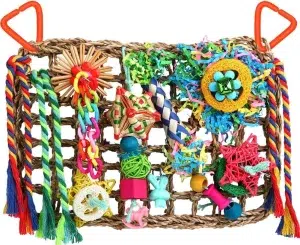
Parrot foraging toys ideas are based on how parrots live in the wild. In nature a parrot spends most of its day searching for food so foraging toys bring that same experience into the cage. These toys hide treats or food inside so your bird has to work to get them out. Foraging toys keep your feathered friend busy for long periods and are great for parrots like african grey and amazons who are highly intelligent and need that mental challenge.
3. Puzzle & Intelligence Toys
Parrot puzzle toys are designed to challenge your bird and make it think. These interactive toys often involve opening latches pulling ropes or spinning parts to get a reward. Parrots are highly intelligent and puzzle toys give them a real mental workout that basic toys cannot provide. Acrylic toys are popular in this category because they are durable and easy to clean while still being stimulating for the bird.
4. Shreddable Toys
Parrot shreddable toys satisfy one of the most natural instincts a bird has. Parrots love to tear things apart and shred materials like cardboard palm leaves and soft natural wood. These toys are also called shredder toys and they are perfect for birds that love to preen and pick at things with their beaks. Shreddable toys are especially loved by cockatiels conures and lovebirds who enjoy soft chewy textures.
5. Climbing Toys (Ladders Ropes Swings)
Climbing toys like ladders ropes and swings give your parrot a chance to get exercise and move around inside the cage. A parrot swing recommendation that works for most birds is a simple rope or wooden swing hung at a comfortable height near a perch. Sisal rope toys are a popular choice because they are natural and safe for most pet birds. These toys keep your bird physically active and also help with balance and coordination.
6. Foot Toys
Foot toys are small toys your parrot can hold in its foot while sitting on a perch. Parrots like to grip objects and manipulate them with their feet just like hands. These toys are great for birds that love to play independently and keep themselves busy without needing the cage to hang anything. Small wooden blocks pineapple shaped toys and small acrylic toys all work well as foot toys for parakeets parrotlets and small to medium birds.
7. Noise Making Toys (Bells Rattles)
Bells and rattles are some of the most playful toys you can add to a bird cage. Many birds love the sound of a bell and will tap it with their beak over and over just for fun. Noise making toys stimulate a different part of your parrot brain and add an extra layer of daily enrichment to the cage. These toys are especially popular with cockatiels budgies and conures who are naturally drawn to sound and rhythm.
Best Toys for Parrots by Species
Every parrot species has its own personality and play style. What works for a small budgie will not work for a large macaw and what excites a cockatoo might not interest an african grey at all. Choosing the right toys for your bird based on species means your parrot gets toys that match its natural instincts and keeps it happy and healthy every day.
Best Toys for African Grey Parrots
African grey parrots are among the most highly intelligent pet birds in the world and they need toys that challenge their minds. Parrot puzzle toys and interactive toys work best for this species because they love to figure things out and solve problems. Foraging toys are also a top choice since african greys love to forage and search for hidden treats. Wood toys and acrylic toys with moving parts give them the mental stimulation they need to avoid boredom inside the cage.
Best Toys for Amazon Parrots
Amazon parrots are playful vocal and full of energy so they need toys that match that personality. Amazons love to chew so safe parrot chew toys made from natural wood and wooden blocks are always a good pick. Hanging toys and noise making toys like bells also work very well because amazons enjoy making sounds and being loud. Providing toys that keep amazons physically active like rope swings and climbing toys helps them get exercise and burn off their natural energy.
Best Toys for Cockatoos
Cockatoos are emotional and social birds that love to preen shred and be hands on with their toys. Parrot shreddable toys and preening toys are the best match for this species because cockatoos love to tear things apart and preen soft materials. They also enjoy swings and rope perches that let them sway and move around. Since cockatoos bond deeply with their owners interactive toys that mimic social play are a great way to keep your feathered friend entertained when you are not around.
Best Toys for Macaws
Macaws are large parrots with powerful beaks and a strong love to chew through almost anything. The best toys for a large parrot like a macaw must be extra durable and made from tough natural wood or thick rope. Wooden blocks large foraging toys and heavy duty chew toys are all great choices for this species. Acrylic toys also work well for macaws because they can handle the strength of that beak without breaking apart in unsafe ways. Always size up when buying toys for macaws to avoid any choking or safety risk.
Best Toys for Conures
Conures are small to medium birds that are curious active and love to explore everything in their cage. They enjoy parrot foraging toys foot toys and shreddable toys that give them something to pick at and investigate. Bells and rattles are also a favorite since conures are naturally drawn to sound and will tap and ring a bell toy for a long time. Because conures love to climb adding a rope or ladder to the bird cage gives them a great daily workout and keeps them playful throughout the day.
Best Toys for Cockatiels & Parakeets
Cockatiels and parakeets are small birds that do very well with lightweight and simple toys suited to their size. Bells small wooden chew toys shreddable toys and foot toys made for toys for small birds are all perfect choices. Budgies and parakeets love to preen soft materials and tap at shiny objects so preening toys and small bells keep them busy and happy. A simple swing or rope perch in the bird cage gives these little feathered friends a place to relax and play at the same time.
Best Parrot Toys by Size
Size matters a lot when picking the best toys for parrots. A toy that is too big can scare a small bird and a toy that is too small can be a choking hazard for a large parrot. Matching the toy size to your bird size is one of the simplest ways to keep your feathered friend safe and happy inside the cage every day.
Best Toys for Small Parrots (Under 100g)
Small parrots like budgies parrotlets lovebirds and cockatiels need lightweight toys that are easy to hold chew and interact with. Toys for small birds should include small wooden chew toys soft shreddable toys tiny foot toys and simple bells that are not too heavy for the cage. A small rope swing or perch gives these little birds a place to play and get exercise without any safety risk. Bird safe materials and smooth edges are very important for small pet birds because their beaks and feet are delicate.
Best Toys for Medium Parrots (100–400g)
Medium parrots like conures parakeets and small amazons need toys that offer a bit more challenge and durability than small bird toys. Foraging toys parrot puzzle toys and shreddable toys in a medium size work very well for this group. These birds love to chew and forage so providing toys with natural wood cardboard and sisal rope gives them the right textures to stay engaged. Interactive toys with moving parts also keep medium parrots mentally and physically active throughout the day.
Best Toys for Large Parrots (400g+)
Large parrots like macaws cockatoos and african greys need tough and heavy duty toys that can handle a powerful beak. The best toys for a large parrot are made from thick natural wood strong rope and solid acrylic toys that do not break apart easily. Large foraging toys big wooden blocks and heavy rope swings give these birds the daily enrichment they need to stay happy and healthy. Always buy toys labeled for large parrot use so you know the size and strength of the toy matches your bird.
Parrot Toy Buying Guide: What to Look for Before You Buy
Buying parrot toys is not just about picking something colorful off a shelf. The right toys for your bird depend on size material safety and how your parrot likes to play. This buying guide walks you through the five most important things to think about before adding any new toys to your parrot cage.
1. Match Toy Size to Your Parrot’s Size
The first thing to check before buying any bird toy is whether it matches your parrot size. Toys that are too small can be swallowed or cause injury and toys that are too large can intimidate a smaller bird and go unused. Always check the product label to see which bird size the toy is made for and choose accordingly. Getting the size right means your bird will actually play with the toy and stay safe while doing it.
2. Always Check for Bird Safe Materials
Not every toy sold in a pet store is made with bird safe materials. Some toys contain unsafe dyes treated wood or metals that can harm your bird over time. Always look for toys made from natural wood untreated cardboard sisal and non toxic dyes. Acrylic toys are also a safe option as long as they are made specifically for pet birds. When in doubt about a material always skip that toy and choose one you are confident is safe for your feathered friend.
3. Durability vs. Destructibility: Why Both Matter
When buying parrot toys you need to think about both durability and destructibility because each one serves a different purpose for your bird.
Durability: Why It Matters
-
- Interactive toys and acrylic toys need to be strong enough to handle daily beak pressure without snapping into sharp or dangerous pieces
-
- Large parrot toys made for macaws and cockatoos must be built tough because these birds have powerful beaks that can destroy weak toys very fast
-
- Durable rope perches and swings last longer and give your bird a safe place to climb and rest without the risk of breaking mid play
-
- Metal parts like clips and hooks on hanging toys must be strong and rust free so they hold the toy securely inside the cage at all times
-
- Puzzle toys and interactive toys need to keep their shape through repeated daily use so your parrot can keep playing with them over a long time
Destructibility: Why It Matters
-
- Parrot shreddable toys and safe parrot chew toys are meant to be torn apart and that is completely normal and healthy behavior for any bird
-
- Shreddable toys made from cardboard palm leaf and soft natural wood satisfy your parrot natural instinct to chew and shred without any harm
-
- A toy that your bird can destroy gives it a sense of achievement and keeps it mentally engaged far longer than a toy it cannot interact with deeply
-
- Soft destructible toys are especially important for cockatiels conures and lovebirds who love to preen and pick at soft chewy textures all day
-
- Replacing destroyed toys regularly is part of daily enrichment and keeps the cage feeling fresh and stimulating for your feathered friend every week
4. How Many Toys Should Be in a Parrot’s Cage?
Too few toys leave your parrot bored and too many toys can make the cage feel crowded and stressful. A good rule is to keep three to five toys in the cage at one time and rotate them regularly using a parrot toy rotation schedule. Parrot toy rotation keeps things fresh and prevents your bird from getting bored with the same toys every day. Rotating toys also helps you inspect each one for wear and tear before putting it back in the cage.
5. Budget Breakdown: What to Spend
You do not need to spend a lot of money to keep your parrot entertained. Simple DIY parrot toy ideas using cardboard natural wood scraps and safe household materials can cost almost nothing. Store bought foraging toys puzzle toys and chew toys range from a few dollars to around thirty dollars depending on size and complexity. A healthy budget approach is to mix a few quality store bought toys with homemade options so your bird always has variety without breaking the bank.
Parrot Toy Safety: What Materials to AVOID
Not every bird toy on the market is safe for your parrot. Some toys are made with cheap materials that look fine on the outside but can seriously harm your bird over time. Before putting any new toys in your parrot cage always check what the toy is made from. Knowing which materials to avoid is just as important as knowing what to buy for your feathered friend.
Toxic Woods to Avoid
Some types of wood are naturally toxic to pet birds and should never be used in any bird toy or perch. Woods like cedar oak cherry and plywood are dangerous because they contain oils chemicals or adhesives that can harm your parrot when chewed. Always choose toys made from bird safe natural wood like pine balsa or willow that are confirmed safe for parrots to chew on. If a wood toy does not clearly state it is bird safe on the label it is better to skip it completely and protect your bird.
Dangerous Metals (Lead Zinc)
Lead and zinc are two of the most dangerous metals for pet birds and they show up in cheap toy hardware more often than most people think. Bells clips chains and clasps made from low quality metal can contain these toxins and when a parrot chews on them it risks serious poisoning. Always buy bird toys with stainless steel or nickel plated hardware that is confirmed free from lead and zinc. A bird that chews on toxic metal parts can develop heavy metal poisoning which is a very serious and sometimes fatal condition.
Unsafe Dyes and Paints
Brightly colored bird toys are attractive but the dyes and paints used to color them are not always safe for parrots. Some cheap toys use chemical based dyes or lead based paints that flake off when your bird chews and can cause poisoning over time. Always look for toys that use food grade or water based non toxic dyes that are confirmed safe for pet birds. Natural bird toys with no added color are always the safest option if you are unsure about the dyes used in a specific product.
Rope Hazards (Loose Threads Wrong Fiber Type)
Rope toys are very popular for parrots but they come with real safety risks if you pick the wrong type. Loose threads from fraying rope can wrap around a parrot toe foot or neck and cause serious injury very quickly. Synthetic rope made from nylon or polyester can also be dangerous if your bird swallows the fibers while chewing. Always choose rope toys made from natural sisal cotton or hemp and check them regularly for fraying. The moment a rope toy starts to unravel it should be removed from the cage right away.
How to Inspect Toys for Wear and Tear
Checking your parrot toys regularly is one of the most important parts of keeping your bird safe every day. Look for cracked acrylic pieces broken wooden parts loose metal clips and fraying rope that could hurt your bird during play. Run your fingers over every part of the toy and feel for sharp edges or splinters that were not there before. Any toy that shows serious wear should be removed from the cage immediately and replaced with a fresh safe option. Making toy inspection part of your weekly routine keeps your feathered friend protected and your bird cage safe at all times.
DIY Parrot Toys vs. Store Bought: Which is Better?
Both options have their own strengths and the right choice depends on your bird your budget and how much time you have. Here is a simple comparison to help you decide.
| Factor | DIY Parrot Toys | Store Bought Toys |
|---|---|---|
| Cost | Free or very low cost using materials at home | Ranges from a few dollars to thirty dollars or more |
| Safety | Safe only if you use bird safe materials and check carefully | Already tested and confirmed safe for pet birds |
| Variety | Fully customizable for any bird size or play style | Wide range available but limited to what brands offer |
| Time | Takes time to plan and build each toy | Ready to use right away with no preparation needed |
| Durability | Usually less durable and may wear out faster | Built to last longer especially acrylic and wood toys |
| Mental Stimulation | Great for foraging toys and simple enrichment ideas | Better for puzzle toys and complex interactive toys |
| Best For | Budgies cockatiels parrotlets and small birds | Large parrots like macaws cockatoos and african greys |
| Availability | Can be made any time with household materials | Needs to be ordered or bought from a pet store |
| Beak Safety | Risk of splinter or sharp edge if not made carefully | Smooth and finished edges designed for beak safety |
| Overall Value | Best for daily enrichment on a tight budget | Best when safety and complexity are the top priority |
Easy DIY Toy Ideas (Free / Low Cost)
Some of the best parrot enrichment toys can be made at home with simple materials you already have. A cardboard roll stuffed with treats makes a great foraging toy that your bird will love to chew and tear apart. Stringing natural wood pieces beads and cardboard shapes onto a safe cotton rope creates a fun hanging toy for almost any bird size. You can also fold small pieces of paper around treats to make simple foot toys that parrotlets budgies and cockatiels go crazy for. DIY toys are a great way to keep daily enrichment going without spending money every single week.
When to Buy Instead of DIY
There are times when buying a store bought toy is the smarter and safer choice for your parrot. Parrot puzzle toys and acrylic toys require precise construction that is very hard to recreate safely at home. Large parrot toys for macaws and cockatoos also need to be extra strong and durable in ways that most homemade toys simply cannot match. If you are not sure whether a homemade material is bird safe it is always better to buy a toy that is already tested and confirmed safe for pet birds.
Safety Checklist for Homemade Toys
Before putting any DIY toy in your parrot cage run through this simple safety check to protect your bird. Make sure every material used is free from glue staples tape or any chemical treatment that could harm your parrot when chewed. Use only natural wood untreated cardboard sisal or cotton rope and avoid anything synthetic or painted. Check that all parts are the right size for your bird so nothing can be swallowed or cause a choking risk. A homemade toy that passes this checklist is just as safe as a store bought one and gives your feathered friend something fresh and new to enjoy.
How to Introduce New Toys to Your Parrot
Bringing new toys into your parrot cage is not always as simple as hanging them up and walking away. Many parrots are suspicious of anything new in their space and will avoid a toy for days before feeling comfortable enough to approach it. Understanding how to introduce new toys the right way saves you frustration and helps your bird start enjoying its new toy much faster.
Why Parrots Fear New Toys (Neophobia)
Neophobia means fear of new things and it is very common in parrots of all species and sizes. In the wild a natural bird learns to be cautious about anything unfamiliar because new objects could be a threat. This instinct stays strong in pet birds even when they are safe at home in their cage. African greys are especially known for being suspicious of new toys but even playful birds like conures and cockatiels can react with fear to something they have never seen before. Understanding this behavior helps you be patient and give your bird the time it needs.
Step by Step Introduction Method
The best way to introduce new toys to a nervous parrot is to do it slowly and in stages. Start by placing the new toy near the cage but not inside it so your bird can see it and get used to its presence from a safe distance. After a day or two move the toy to the outside of the cage bars so your parrot can investigate it without feeling trapped near it. Once your bird shows curiosity and no longer reacts with fear hang the toy inside the cage in a spot your parrot can easily reach. Rewarding your bird with treats when it interacts with the new toy helps build a positive connection and speeds up the process.
Rotating Toys to Prevent Boredom
Parrot toy rotation is one of the easiest and most effective ways to keep your bird mentally stimulated without buying new toys every week. Swap out two or three toys every few days so your parrot always feels like it has something fresh and interesting in the cage. Toys that have been out of the cage for a while feel new again to your bird when you bring them back after a rotation. This simple habit keeps parrot boredom prevention going all year long and makes even older toys feel exciting again for your feathered friend.
Contact Us
Have questions about choosing the best toys for parrots or need help finding the right toy for your specific bird? We are always happy to help. Visit us at dallasparrots.com and send us a message through our contact page. Whether you have a small budgie or a large macaw our team is here to help you keep your feathered friend happy healthy and well entertained every single day.
Conclusion
The best toys for parrots are the ones that match your bird size species and natural instincts. Every parrot from a small parrotlet to a large cockatoo needs daily enrichment through different types of toys to stay mentally and physically balanced inside the cage. Always use bird safe materials keep a parrot toy rotation going and mix store bought toys with simple DIY parrot toy ideas to give your feathered friend variety without overspending. A playful and stimulated parrot is a happy parrot and that makes keeping pet birds more rewarding for you every single day.
Follow Our Social Accounts:
FAQ's
What are the best toys for parrots to prevent boredom?
The best toys for parrots that prevent boredom are foraging toys, puzzle toys, and shreddable toys that give your bird something to do throughout the day. These toys tap into your parrot natural instincts to chew, forage, and explore. Rotating toys every few days also keeps things fresh and stops your bird from losing interest in the same setup.
How many toys should I put in my parrot cage?
A good number is three to five toys in the cage at one time so your bird has variety without feeling crowded. Too many toys can stress your parrot and too few will leave it bored and inactive. Use a simple parrot toy rotation schedule to swap toys in and out and keep the cage feeling new and stimulating every week.
Are DIY parrot toys safe for my bird?
DIY parrot toys are safe as long as you use bird-safe materials like natural wood, untreated cardboard, sisal, and cotton rope. Avoid anything with glue, staples, synthetic dye, or chemical treatment that your bird could chew and swallow. Always inspect homemade toys carefully before placing them in the cage and remove anything that looks sharp or starts to break apart.
What toys are best for african grey parrots?
African grey parrots do best with puzzle toys, foraging toys, and interactive toys that challenge their highly intelligent minds. These birds love to figure things out and get bored quickly with simple toys that offer no mental challenge. Wood toys and acrylic toys with moving parts are also great options to keep an african grey engaged and stimulated daily.
Why is my parrot scared of new toys?
This behavior is called neophobia and it is completely normal in pet birds of all species. Parrots are naturally cautious about unfamiliar objects because in the wild anything new could be a potential threat. Introduce new toys slowly by placing them near the cage first and then moving them closer over a few days until your bird feels comfortable.
What materials should I avoid in parrot toys?
Always avoid toys made with lead, zinc, cedar wood, plywood, synthetic rope, and chemical-based dyes or paints. These materials can cause serious harm or poisoning when your parrot chews on them regularly. Stick to bird-safe materials like natural wood, stainless steel hardware, sisal rope, and non-toxic water-based dyes to keep your bird safe.
How often should I replace parrot toys?
Shreddable toys and chew toys should be replaced as soon as your bird destroys them which can be every few days for heavy chewers. Durable toys like acrylic and wood toys can last much longer but should still be inspected weekly for cracks, sharp edges, or loose parts. Any toy that shows serious wear should be removed from the cage right away regardless of how long it has been there.
What are the best toys for small parrots like budgies and cockatiels?
Small parrots do best with lightweight toys that are easy to hold, chew, and interact with at their size. Good options include small wooden chew toys, soft shreddable toys, tiny bells, simple foot toys, and small rope swings. Always make sure the toy is labeled for small bird use so there is no risk of injury or parts being too large for your bird to handle safely.
Do parrots really need foraging toys?
Foraging toys are one of the most important types of enrichment you can give any parrot. In the wild parrots spend most of their day searching for food and foraging toys bring that same natural activity into the cage. Without foraging opportunities pet birds can become bored, frustrated, and even develop behavioral problems over time.
What is parrot toy rotation and why does it matter?
Parrot toy rotation means regularly swapping toys in and out of the cage so your bird always has something fresh to interact with. It prevents boredom, keeps your parrot mentally active, and makes older toys feel new and exciting again when reintroduced after a short break. Rotating toys is one of the simplest and most cost-effective ways to keep your feathered friend happy and engaged every single day
Recent Posts