
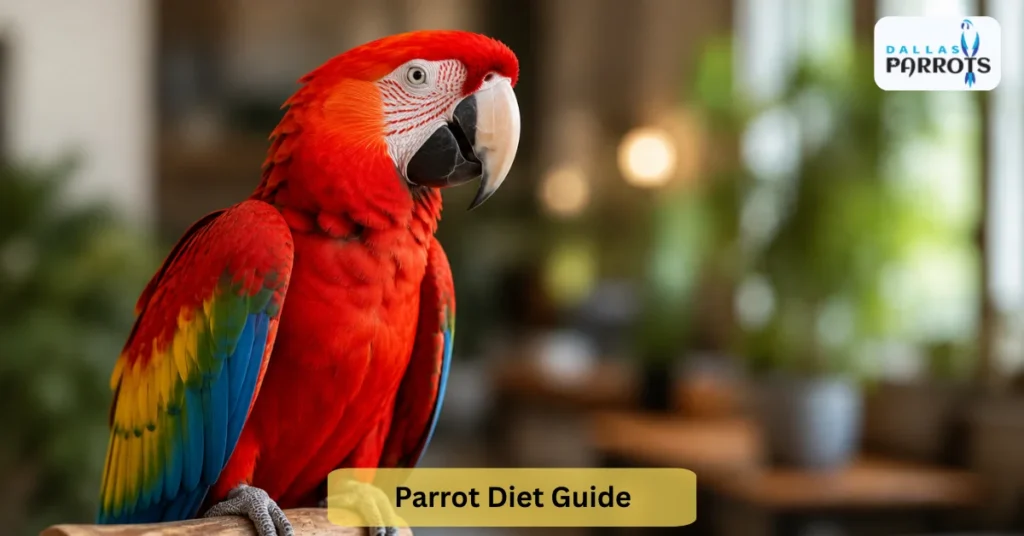
Healthy Parrot Diet Guide Foods Dangers & Family Fit
Many families in Lahore and worldwide keep parrots as lively smart pets. A proper parrot diet is key to keeping your pet parrot healthy active and full of energy for years. In the wild parrots forage on seeds fruits nuts and plants for balanced nutrition but in captivity they rely fully on what you provide. This parrot diet guide shares simple ways to feed your bird right with a varied diet of pellets fresh vegetables fruits and limited treats. Start with high quality pellets as the base add fresh foods for variety and vitamins and always consult a vet for species specific needs to avoid issues like fatty liver or deficiencies.
Best Parrot Pellets and Treats to Buy Right Now
-
Products
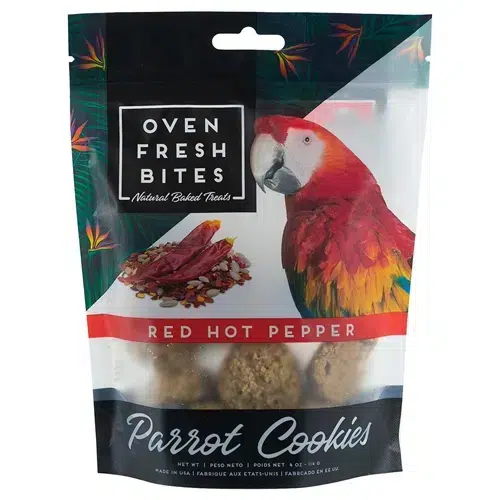
PC – Red Hot Pepper
$12.18Original price was: $12.18.$7.95Current price is: $7.95. Add to cart
Core Components of a Parrot’s Diet
A pet parrot stays healthy when its diet includes several main parts that work together. The parrot diet needs balance so the bird gets enough energy vitamins minerals and other nutrient every day. Most experts agree that no single food can do everything which is why mixing different items matters so much. Start with something reliable like pellets then build on that with fresh choices. This way your parrot gets a varied diet that feels natural like what wild birds find. Keep portions right and watch how your bird responds because each parrot has its own likes and needs. A good mix helps avoid boredom and supports strong feathers bright eyes and active behavior.
Pellets: The Foundation
Pellets make up the biggest part of a healthy parrot diet for almost every pet parrot. These formulated pellets come made from a variety of foods pressed together so every bite gives balanced nutrition without gaps. They include proteins vitamins minerals and other essentials that parrots need daily. Many owners switch from seed mix to pellets because seed based diet often lacks complete balance and can lead to health problems over time. Pick plain high quality pellets without extra colors or sugars for the best results. Pellets help control weight since they are not as high in fat as seeds and they make sure your bird gets steady nutrient. Feed most of the daily food as pellets to keep things simple and safe for long term health.
Fresh Vegetables: Essential for Vitamins and Fiber
Fresh vegetables bring important vitamins fiber and calcium to the parrot diet every day. Dark greens like kale dandelion spinach and broccoli work really well along with carrot pea and other colorful options. These foods help digestion stay strong and support healthy bones plus they add natural taste that parrots enjoy.
Fresh vegetables bring important vitamins fiber and calcium to the parrot diet every day. Good vegetable choices include:
-
- Kale – rich in vitamins and calcium
-
- Dandelion greens – great for natural variety
-
- Spinach – good fiber and minerals
-
- Broccoli – supports strong bones
-
- Carrot – adds color and vitamin A
-
- Pea – easy to eat and gives protein
-
- Bell pepper – sweet taste high in vitamin C
Fruits: Natural Treats in Moderation
Fruits give natural sweetness and extra vitamins but always offer them in small amounts because of the sugar content. Good choices include apple pear peach banana and berries with seeds or pits removed first. These act as healthy treats that make mealtime more exciting for your parrot. Fruits help introduce new foods when your bird seems unsure and they provide hydration too. Limit them to about ten to twenty percent of the overall diet so weight stays under control. Parrots like the bright colors and soft texture which makes fruits a fun way to add variety. Use them as rewards during training or play to build a positive connection with eating.
Nuts and Seeds: Healthy Fats but Limited
Nuts and seeds provide healthy fats and energy but they must stay limited since most are high in fat. Options like peanut cashew pecan walnut brazil nuts hazelnut and pistachio taste great to parrots but too many can cause fatty liver or extra weight. Seeds from a seed mix give some nutrients yet they do not cover everything a parrot needs. Use unsalted nuts and offer them only as occasional treats perhaps a few pieces a day at most. Compare parrot pellet vs seed and you see pellets win for daily feeding while nuts and seeds work best in tiny amounts. This keeps the diet balanced without overloading on fats that captive birds do not burn as much as wild birds do.
Grains and Legumes: For Energy and Protein
Grains and legumes supply steady energy and good plant based protein for your parrot. Cooked items like lentil pea or other beans along with grains such as quinoa or brown rice fit well into the diet. These foods add variety without too much fat and they help fill out the nutritional needs nicely. Soak or sprout legumes first for easier digestion and better nutrient absorption. Offer them a few times a week as part of the rotation to keep meals interesting. Grains and legumes support active birds especially during molting or breeding times when protein demand goes up. They make the overall diet feel complete when combined with pellets and fresh items.
Proteins: Animal and Plant Sources
Proteins come from both plant and small animal sources to round out the parrot diet properly. Plant options include cooked legumes beans and some grains while animal sources can be limited amounts of cooked egg or similar safe items. These help build strong muscles and support feather growth especially in active or growing parrots. Keep portions small and natural without added salt or seasoning. Plant proteins work well for most birds on a daily basis while animal proteins stay occasional. Mixing sources ensures the bird gets complete amino acids without overdoing any one type. Always choose fresh clean options and check with a vet if your parrot has special needs for extra protein.
Sample Diet Plans and Portions
| Parrot Size/Group | Daily Pellet Amount | Total Daily Food Volume | Fresh Veggies/Fruits Percent | Treats (Nuts/Seeds) |
|---|---|---|---|---|
| Small to Medium (Budgies Lovebirds Cockatiels Conures) | 1 to 4 tablespoons | 10 to 15 percent of body weight | 20 to 30 percent | Under 10 percent (only a few pieces) |
| Large (Macaws African Greys Cockatoos) | ¼ cup or more | 10 to 15 percent of body weight | 20 to 30 percent | Limited (2 to 4 pieces) |
Putting together a daily and weekly plan makes feeding your parrot much easier and more consistent. These sample plans use the core foods we talked about earlier like pellets fresh vegetables fruits nuts seeds grains and legumes. They give a starting point that you can adjust based on your parrot age size activity level and any advice from a vet. The goal is to keep the diet varied so your bird gets all the nutrient it needs without getting bored. Plans focus on balance with most coming from pellets and the rest from fresh items. Always provide clean water and remove any uneaten fresh food at the end of the day to keep things safe and fresh. These examples aim to mimic a natural foraging diet while staying practical for home life.
Daily Diet Example for Small to Medium Parrots
Small to medium parrots such as budgerigars lovebirds cockatiels and conures do well with smaller portions that still cover all needs. A typical day might start with about one to two tablespoons of high quality pellets as the main base which provides steady nutrition. Add a handful of chopped fresh vegetables like kale carrot pea broccoli and dandelion greens for vitamins fiber and calcium. Include a small piece of fruit such as apple or pear as a natural treat maybe half a teaspoon worth. Finish with just a few seeds or one unsalted nut like a peanut half as a reward. This keeps the overall diet around sixty to seventy percent pellets twenty to thirty percent fresh vegetables and fruits and under ten percent treats. Offer food in two meals morning and evening to match natural eating patterns and encourage active foraging.
Daily Diet Example for Large Parrots (Including Cockatoos)
Large parrots like macaws African greys and cockatoos need more volume of food because of their bigger size and higher energy use. Start the day with a quarter cup or more of formulated pellets which form sixty to eighty percent of the intake for balanced nutrition. Mix in a good amount of fresh vegetables such as broccoli sweet potato carrot kale and other greens chopped into larger pieces they can handle. Add one or two small pieces of fruit like banana peach or berries for variety and extra vitamins but keep it limited to avoid too much sugar. Include a couple of unsalted nuts such as walnut pecan or cashew since larger birds handle fats better but still watch the amount. A small portion of cooked legumes like lentil or pea adds protein and interest. Split this into morning and afternoon feedings with fresh items offered separately to keep them engaged longer.
Weekly Meal Rotation Ideas
Rotating foods each week prevents your parrot from becoming too fussy and helps make sure it gets a wide range of nutrient over time. For example Monday could focus on lots of dark greens like kale and spinach with carrot and a touch of apple. Tuesday shift to orange vegetables such as sweet potato and squash plus pear and a few seeds. Wednesday bring in more legumes like cooked lentil pea and broccoli with banana as fruit. Thursday mix greens dandelion and bell pepper with berries and one nut. Friday use grains like cooked quinoa or brown rice with carrot and peach. Weekend days can repeat favorites but add something new like a different green or fruit to keep it exciting. This kind of weekly rotation mimics how parrots forage in the wild for different foods and keeps the diet nutrient rich without repeating the same thing every day.
Portion Guidelines and Adjustments
Figuring out portions starts with a simple rule of thumb feed about ten to fifteen percent of your parrot body weight in total food each day but watch closely how much actually gets eaten. For small parrots this might mean one to three tablespoons overall while larger ones need one quarter to half cup or more depending on the bird. Always prioritize pellets as the biggest share then fill the rest with fresh vegetables fruits and limited treats.
Quick portion rules to remember:
-
- Feed about 10–15% of your parrot’s body weight daily
-
- Small parrots: 1–3 tablespoons total food per day
-
- Medium parrots: 2–4 tablespoons total
-
- Large parrots: ¼ cup or more total
-
- Always weigh your bird weekly and adjust if needed
-
- Prioritize pellets first then add fresh foods
Species Specific Diet Guidelines
| Species Group | Pellet Percent (Main Base) | Fresh Veggies/Fruits Percent | Treats (Nuts/Seeds) Limit | Special Notes |
|---|---|---|---|---|
| Small (Budgerigars Lovebirds) | 50 to 70 percent | 20 to 30 percent | Very limited | More seed variety is okay but watch fat carefully |
| Medium (Cockatiels Conures) | 60 percent or more | 20 to 30 percent | Occasional (1 to 2 pieces) | Rotate foods often to keep them interested |
| Large (Macaws African Greys) | 70 to 80 percent | 20 to 30 percent | Few pieces daily | Higher calcium needs control fats well |
| Local/Wild Caught (e.g. Ring Necked Parakeets) | Start low build to 50 to 70 percent | Increase gradually | Very limited at first | Slow transition from seed heavy diet |
Every parrot species comes from different parts of the world and has its own natural habits so the diet needs some adjustments to match. While the basic rules stay the same with pellets as the main part plus fresh vegetables fruits and limited treats each type of parrot has slight differences in what it needs most. Smaller birds often handle more variety in smaller amounts while larger ones need bigger portions and sometimes extra calcium or fats. Watching your specific parrot and talking to a vet helps fine tune things.
Small Parrots (e.g. Budgerigars Lovebirds)
Small parrots like budgerigars and lovebirds stay happy and healthy on a diet that includes about fifty to seventy percent high quality pellets for steady nutrition. These birds do well with a bit more seed variety than larger ones but keep seeds limited to avoid extra fat buildup. Fresh vegetables should make up a good share with options like kale spinach dandelion carrot pea and broccoli chopped small so they can pick easily. Fruits work as small treats such as apple pear or berries given once or twice a day in tiny pieces. Add a sprinkle of cooked legumes or grains a few times a week for protein and energy. Their portions stay modest usually one to three tablespoons total food daily split into two meals. This setup supports their quick metabolism and keeps them from getting overweight while still letting them enjoy natural foraging behavior.
Medium Parrots (e.g. Cockatiels Conures)
Medium parrots such as cockatiels and conures need a solid balance that leans toward sixty percent or more formulated pellets to cover vitamins minerals and proteins without gaps. Fresh vegetables play a big role here with plenty of greens like kale broccoli carrot and bell pepper plus others from the parrot fresh foods list. Fruits add interest but stay in moderation like banana peach or small amounts of berries to prevent too much sugar. Nuts and seeds work as occasional healthy treats perhaps one or two unsalted pieces daily since these birds can gain weight fast on too many high fat items. Include cooked legumes lentil or pea and some grains for extra variety and protein especially during active times. Daily food volume might reach two to four tablespoons depending on the bird size and activity. Rotate foods often to keep them interested and support good feather quality and strong bones.
Large Parrots (e.g. Macaws African Greys)
Large parrots including macaws and African greys require more volume in their diet with pellets often making up seventy to eighty percent for complete balanced nutrition. These birds benefit from lots of fresh vegetables such as sweet potato broccoli carrot kale and other nutrient rich greens to meet higher needs for calcium and vitamin. Fruits like pear apple banana or mango go in small controlled amounts as natural treats to add flavor without overloading sugar. Nuts become a bigger part of treats for them since they handle fats better but still limit to a few pieces like walnut pecan cashew or almond each day. Add cooked legumes grains and sometimes small protein sources to round things out. Portions can be a quarter cup or more of pellets plus a handful of mixed fresh items split across the day. Their larger size and longer life mean consistent good diet prevents issues like fatty liver and supports strong beaks and bright feathers.
Special Considerations for Wild Caught or Local Species
Wild caught or local species like ring necked parakeets in USA often come from seed heavy backgrounds so changing to a balanced parrot diet takes time and patience. Start by mixing small amounts of pellets into their usual seed mix and slowly increase pellets while adding fresh vegetables that grow locally such as carrot pea spinach kale and seasonal greens. Fruits like guava mango peach or pear work well since they match what these birds find naturally and help them accept new foods. Keep nuts and seeds very limited at first to avoid stress on their system during the switch. Use cooked legumes and grains to add protein without too much fat. These birds may act fussy about new foods so offer variety in small amounts and watch for signs they are adjusting like better energy or brighter feathers. A vet familiar with local species can give specific advice on calcium vitamin needs and how fast to make changes so the transition stays safe and smooth for captive birds.
Foods to Avoid and Potential Hazards
Knowing what to keep away from your parrot saves a lot of trouble and keeps your bird safe and healthy for the long run. Some foods that people eat every day can harm parrots quickly while others cause slow problems if given too often. The parrot diet should stick to safe items only and avoid anything risky even in small amounts. Many issues come from owners not realizing how sensitive parrots are to certain things. Always double check new foods before offering them and keep a list of what to skip handy. A vet can help confirm safe choices especially if your parrot shows any odd signs after eating. Staying aware of these hazards makes the overall diet much better and prevents visits to the veterinarian for avoidable reasons.
Toxic Foods
Here are the main toxic foods to never feed your parrot:
-
- Avocado – damages heart and organs very quickly
-
- Chocolate – poisons even in small amounts causes seizures
-
- Caffeine (tea coffee soda) – leads to heart problems or death
-
- Alcohol – extremely dangerous even tiny drops
-
- Onion and garlic – irritate blood cells and digestion
-
- Wild mushrooms or portobello – carry toxins parrots cannot handle
-
- Salty or processed junk food – strains kidneys badly
-
- Raw or moldy peanuts – risk of serious mold sickness
Common Mistakes
Many owners make the same few mistakes when feeding parrots which build up trouble slowly. The biggest one is relying only on a seed based diet or seed mix thinking it matches what parrots eat in the wild. Seeds are high in fat and low in key vitamins minerals and calcium so long term use often leads to fatty liver obesity or weak bones. Another common error is giving too many nuts peanuts cashew walnut or seeds as everyday food instead of rare treats. Overdoing fruits without watching sugar levels adds unnecessary calories and can make the bird picky about healthier items. Feeding the same foods every day without rotation makes parrots fussy and misses out on variety of foods for balanced nutrition. Not washing fresh vegetables or fruits properly leaves pesticides or dirt that irritates the system. Forgetting to remove uneaten fresh food leads to mold which parrots might still try to eat. These habits seem harmless at first but they create gaps in the parrot diet that show up later.
Signs of Nutritional Deficiencies
When a parrot does not get a well balanced diet certain signs appear that tell you something is off. Dull dry or falling feathers often point to missing vitamins or poor overall nutrition. Low energy sitting quietly all day fluffed up or less playful behavior shows the bird lacks proper fuel from its food. Beak or nail overgrowth weak bones or trouble perching can come from low calcium or vitamin needs not met. Weight loss or sudden gain either way signals imbalance like too few nutrients or too many fatty items. Droppings that look watery discolored or have undigested bits mean digestion problems from bad diet choices. Feather plucking or skin issues sometimes tie back to boredom from no variety or missing key elements in the parrot nutrition basics.
Why Parrots Are Great Pets for Families
Parrots bring something special to a family home that many other pets cannot match. They stay lively talkative and full of personality which makes them feel like real members of the group. Families often choose parrots because these birds form strong connections and add joy to daily life. A good parrot diet keeps them healthy so they can stay active and engaged for years. Unlike some animals parrots interact in ways that feel almost human with talking mimicking sounds and playing games. When fed right with pellets fresh vegetables fruits and limited treats they show their best side. This makes them a rewarding choice for homes with kids or busy parents who want a companion that gives back affection and entertainment. Parrots thrive in family settings where people spend time talking to them and including them in routines.
Interactive and Social Companions
Parrots love attention and they give it right back which makes them wonderful interactive pets for families. They often learn words phrases or household sounds and use them to join conversations which delights everyone around. Many parrots enjoy stepping up on a hand playing with toys or even dancing to music when someone plays it. This social side keeps family members involved and laughing together. A balanced parrot diet with variety supports their energy so they stay playful and curious instead of quiet or withdrawn. They notice moods and respond to gentle voices or games which builds close bonds quickly. In a family setting parrots become the center of fun activities like training tricks or sharing stories. Their need for interaction means the whole household stays connected through caring for and enjoying the bird together.
Long Lifespan and Family Bonding
Parrots live much longer than most pets which lets them grow up alongside children and become lifelong friends. Smaller species might reach fifteen to twenty years while larger ones like cockatoos or macaws can live forty years or more with proper care. This long lifespan creates deep family bonding as the bird sees kids go from young to adults. A consistent good diet full of nutrient from pellets fresh vegetables and controlled treats helps them stay strong through all those years. Families watch their parrot change from a young curious bird to a wise companion that knows every family member’s voice. The bird becomes part of traditions holidays and daily routines which strengthens emotional ties. When health stays good from the right parrot nutrition basics the parrot remains a steady loving presence that families cherish for decades.
Educational Value for Children
Having a parrot teaches children real responsibility in a fun and gentle way. Kids learn to measure pellets chop fresh vegetables like carrot or kale and offer safe fruits as treats which builds good habits early. They understand portion guidelines why variety matters and how to avoid parrot toxic foods which sparks interest in animals and health. Watching the bird eat forage for food or respond to care shows cause and effect in a clear way. Children often take pride in keeping the cage clean providing water or noting signs of good health which boosts confidence. Parrots encourage reading about species specific needs or talking to a vet which turns into natural learning moments. This hands on experience with a living creature helps kids develop empathy patience and respect for life in ways books or screens cannot match.
Low Maintenance Compared to Other Pets (with Proper Diet)
Once set up parrots need less daily work than dogs cats or some other pets especially when the diet stays simple and balanced. They do not require walks multiple feedings or constant cleanup like larger animals do. A morning and evening meal of pellets mixed with fresh vegetables fruits and occasional nuts or seeds takes just a few minutes. Clean water fresh food dishes and a quick cage spot check handle most care. With a well balanced parrot diet health issues stay low so vet visits remain routine rather than frequent emergencies. Parrots entertain themselves with toys foraging items or talking when alone which means families can leave for short times without worry. Compared to pets that need exercise grooming or special setups parrots fit busy family schedules better as long as the basics like nutrition interaction and safety get handled right.
Choosing the Right Parrot for Your Home
Picking the right parrot means thinking about more than just how cute they look. Your home life family setup and daily routine all play a part in what bird will fit best. A parrot that matches your situation stays happier and causes fewer problems for everyone. Start by looking at your family size how much time people have and what kind of home you live in. Then check space noise levels diet needs and the personality each species brings. This parrot diet guide already covers feeding basics but choosing the bird first makes sure you can keep up with care long term. The goal is a good match so both you and the parrot enjoy years together without stress. Talk to a vet or experienced owner if needed to get a clear picture before deciding.
Consider Family Size and Lifestyle
Family size and daily lifestyle decide which parrot works without overwhelming anyone. A big family with kids who love interaction does well with social birds that enjoy play and attention every day. Smaller families or homes with working adults might prefer a quieter or more independent type that does not need constant company. Think about how much time the household can spend talking handling or training the bird since parrots thrive on social contact. If your lifestyle includes travel or long hours away choose a species that handles alone time better with toys and foraging setup. A good diet with pellets fresh vegetables and variety keeps any parrot healthy but the right fit means the care routine fits your schedule naturally. Match the bird energy to your family pace so everyone stays happy and the parrot feels secure in its home.
Space and Noise Level Requirements
Space and noise matter a lot when bringing a parrot home. Larger parrots like macaws or cockatoos need bigger cages plenty of room to climb and play areas outside the cage to stretch wings fully. Smaller parrots such as budgerigars or lovebirds fit in apartments with medium cages and less floor space. Noise levels vary too some species like conures or cockatoos scream loudly especially in the morning or evening while others like African greys talk more softly but mimic household sounds. If you live in a quiet neighborhood or apartment building pick a lower noise bird to avoid complaints. In bigger homes with yards larger louder parrots can express themselves without issue. Always plan for out of cage time daily no matter the size since confined birds get bored fast. The right space and noise match keeps your parrot calm and your home peaceful.
Diet and Care Commitment by Species
Each parrot species has its own diet and care needs which affect how much time and effort you put in daily. Smaller parrots like budgerigars need simple portions of pellets fresh vegetables fruits and limited seeds with quick daily feeding and basic cleaning. Medium ones such as cockatiels or conures want more variety in fresh foods and regular rotation to stay interested which takes a bit more prep time. Large parrots including macaws African greys and cockatoos demand bigger volumes of food higher pellet ratios plus controlled nuts and more calcium rich vegetables which means more shopping chopping and monitoring. Care also includes weekly cage deep cleans toys for foraging and annual vet checks. A committed owner who follows parrot nutrition basics like balanced parrot diet and portion guidelines handles this well. Choose a species where the diet and care level feels doable for your routine so you stay consistent without burnout.
Matching Parrot Personality to Your Household
Parrot personalities differ just like people so match one to your household vibe for the best experience. Some birds stay bold outgoing and love being the center of attention which suits lively families who enjoy interaction and training. Others lean shy quiet or more independent and do better in calmer homes where they get gentle handling without pressure. African greys often show smart thoughtful behavior and bond deeply but need mental stimulation to avoid plucking. Cockatoos bring big affection and cuddly nature but demand lots of one on one time or they get upset. Conures stay playful and energetic while lovebirds pair up and focus more on each other. Observe videos talk to owners or visit aviaries to see real personalities in action. When the bird temperament fits your family dynamic everyone bonds easier and the parrot feels at home right away. Combine this with a solid diet plan and you set up a happy long term companion.
Why Choose Dallas Parrots for Parrot Diet Support?
Dallas Parrots offers more than just birds — they provide real help with feeding and nutrition to keep your parrot healthy long term. As a family owned aviary they focus on education and quality supplies that match the balanced parrot diet ideas in this guide. You get access to trusted pellets treats and fresh food tips from people who raise birds every day. Their team shares practical advice on portions variety and avoiding common issues like deficiencies or toxic foods. This support makes it easier to follow the sample plans and species guidelines without guesswork. Choosing them means ongoing guidance so your parrot thrives on a good diet from the start.
Benefits
-
- Trusted nutrition products like high quality pellets and blends formulated for balanced nutrition with options that include essential vitamins minerals and low fat choices to support daily feeding.
-
- Expert advice from the team on parrot food recommendations including how to mix pellets with fresh vegetables fruits and limited treats for a varied diet.
-
- Help with portion guidelines and adjustments based on your parrot size and needs so you avoid overfeeding or underfeeding.
-
- Clean healthy bird raising practices that emphasize good diet from early on which means better starting health when you follow similar feeding at home.
-
- Easy access to supplies and tips that fit the parrot nutrition basics in this guide helping you stay consistent without extra research.
Contact US
Reach out to Dallas Parrots anytime for help with parrot diet questions cockatoo choices or general care advice. Use the website contact form send an email or call during business hours. If you’re in or near Dallas visit the aviary to meet the birds and talk in person. The team provides guidance on balanced diets supplies and setup to support your new companion. Connecting early helps answer questions fast and keeps your parrot healthy.
Conclusion
This parrot diet guide shows how a balanced mix of pellets fresh vegetables fruits limited nuts seeds grains and legumes keeps parrots healthy and happy. Follow species specific tips avoid toxic foods and watch for deficiency signs to prevent issues. Parrots make excellent family pets with their social nature long lives and low daily demands when fed right. Choose a bird that fits your home then stick to good nutrition for strong bonds. For a cockatoo or other parrot Dallas Parrots offers healthy hand fed birds with ongoing support. Start simple stay consistent and enjoy your parrot’s energy and companionship for years.
Follow Our social Accounts
FAQ’s
How long does it take to socialize a parrot?
The time needed to socialize a parrot depends on its age, personality, and past experiences. Some parrots become comfortable within a few weeks, while rescue or anxious birds may take several months. Consistent daily interaction, patience, and positive reinforcement help build trust faster.
What is the best way to build trust with a new parrot?
The best way to build trust with a new parrot is to spend time near the cage, speak softly, and let the bird approach you on its own terms. Avoid forcing contact and reward calm behavior with treats and praise. Trust develops when your parrot feels safe and respected.
How can I tell if my parrot is comfortable around me?
A comfortable parrot will show relaxed body language such as preening, soft feather posture, approaching you willingly, and accepting treats. Signs of discomfort include leaning away, flattening feathers, retreating, or attempting to bite. Learning parrot body language is essential for successful socialization.
Can older or rescue parrots be socialized successfully?
Yes, older and rescue parrots can be socialized successfully with patience and consistency. They often need more time to overcome past fears, but regular positive interactions, gentle handling, and a predictable routine can help them become confident and trusting companions.
How often should I interact with my parrot each day?
Most parrots benefit from at least one to three hours of daily interaction, including talking, training, playtime, and supervised out-of-cage activities. Regular contact helps prevent boredom, strengthens your bond, and supports your bird’s emotional well-being.
What are the biggest mistakes to avoid when socializing a parrot?
The biggest mistakes include forcing contact, moving too quickly, ignoring body language, using punishment, and allowing only one person to interact with the bird. These actions can damage trust and slow the socialization process. Positive reinforcement and patience always produce better results.
Recent Posts